









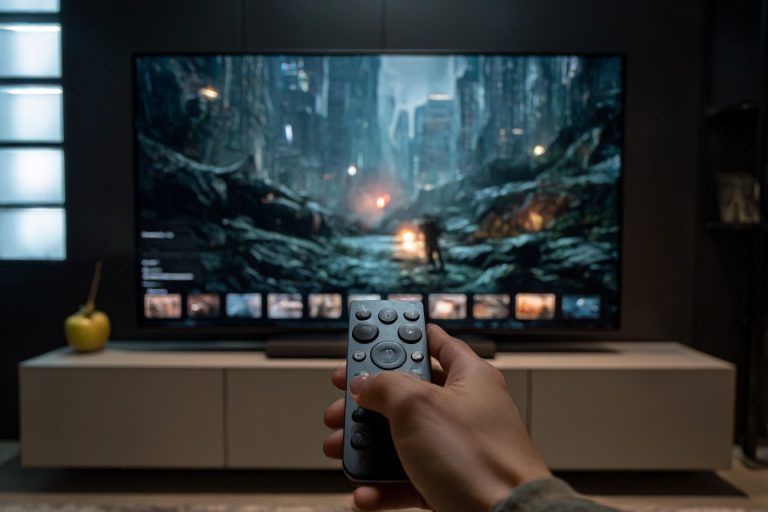

I was halfway through the second episode of Severance when I had to pause and walk around my flat. Not because it was boring – quite the opposite. The show had managed to create something I hadn't felt in years: genuine unease about a technology that felt uncomfortably close to reality. Here was a premise that took workplace boundaries and pushed them exactly one step too far, creating a world where your work self literally couldn't remember your home self. Brilliant. Terrifying. Absolutely worth the subscription fee.
Apple TV+ has quietly assembled one of the most interesting collections of science fiction programming available right now. I know, I know – everyone talks about Netflix's flashy space operas or Amazon's big-budget adaptations. But Apple's approach feels different. They're not trying to recreate Star Wars or compete with Marvel. Instead, they're funding stories that ask uncomfortable questions about technology we already use, relationships we already navigate, futures that feel disturbingly plausible.
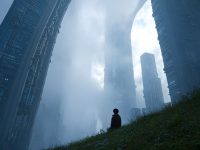
Take Foundation, for instance. When I first heard they were adapting Asimov's sprawling galactic empire, I was skeptical. The books are dense, philosophical, packed with concepts that don't translate easily to screen. But the showrunners did something clever – they kept the big ideas (psychohistory, the fall of civilizations, mathematical prediction of social collapse) while grounding them in very human stories. The result isn't a perfect adaptation, but it's something rarer: a show that trusts its audience to think while they watch. The visual design helps too – those floating structures on Trantor feel both impossibly advanced and oddly familiar, like Apple Stores expanded to planetary scale.
What struck me most about Foundation was how it handles the concept of inevitability. In our current world of climate change and political upheaval, watching characters grapple with the mathematical certainty of societal collapse hits differently than it would have twenty years ago. The show doesn't offer easy answers, which I appreciate. Too much sci-fi these days wants to solve problems in forty-two minutes. Foundation lets problems be problems.
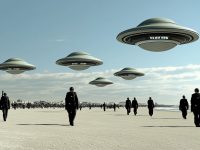
Then there's Invasion, which takes the alien invasion story and flips it inside out. Instead of focusing on military response or spectacular destruction, it follows ordinary people dealing with something they can barely comprehend. I'll admit, the pacing frustrated me at first. I kept waiting for the big reveal, the moment when everything would click into place. But that's the point – real invasion wouldn't come with convenient exposition or clear battle lines. It would be confusing, gradual, deeply personal. The show captures that feeling of being slightly off-balance, of sensing something wrong without being able to name it.
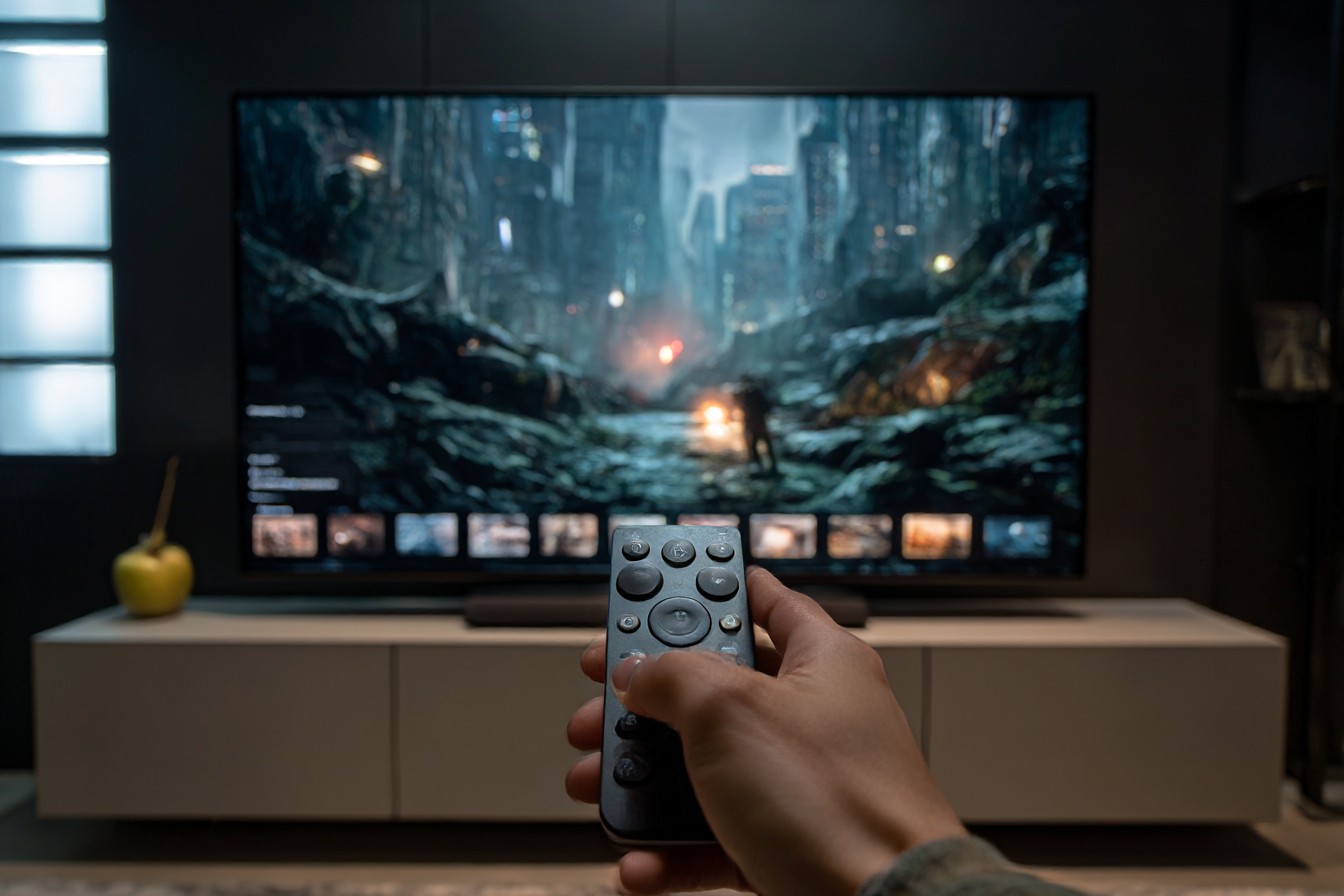
The technical execution on these shows impresses me too. I've spent enough time tinkering with effects and lighting to appreciate the craft involved. Severance's sterile office environments look exactly like corporate spaces I've worked in, just pushed slightly toward uncanny valley territory. The lighting is always a bit too clean, the colors a bit too saturated. It's the visual equivalent of that workplace smile that doesn't quite reach your eyes.
For All Mankind deserves special mention for its alternate history approach. The premise – what if the Soviet Union reached the moon first – sounds like simple what-if speculation, but the show uses it to examine how technological progress shapes social change. Season one felt a bit heavy-handed at times, but by season two they'd found their rhythm. The space sequences look fantastic, obviously, but what I love is how they show the ripple effects. Different space race, different energy policies, different gender roles, different everything. It's a masterclass in how changing one variable can reshape an entire timeline.
The casting choices across these shows feel deliberate too. Apple's not relying on big-name stars to carry weak concepts. Instead, they're letting strong material attract good actors. Britt Lower's performance in Severance captures exactly the right balance of confusion and determination. Lee Pace brings gravity to Foundation without overwhelming the ensemble. These feel like people, not archetypes.
What really sets Apple's sci-fi apart is the production values matched with patience for complex ideas. They're not rushing to explain everything in the first episode or dumbing down concepts for mass appeal. Severance could have easily become a straightforward thriller about evil corporations. Instead, it explores questions about identity, memory, work-life balance – all through the lens of a technology that feels genuinely possible. I've worked at companies where the psychological separation between office persona and real self felt almost that complete already.
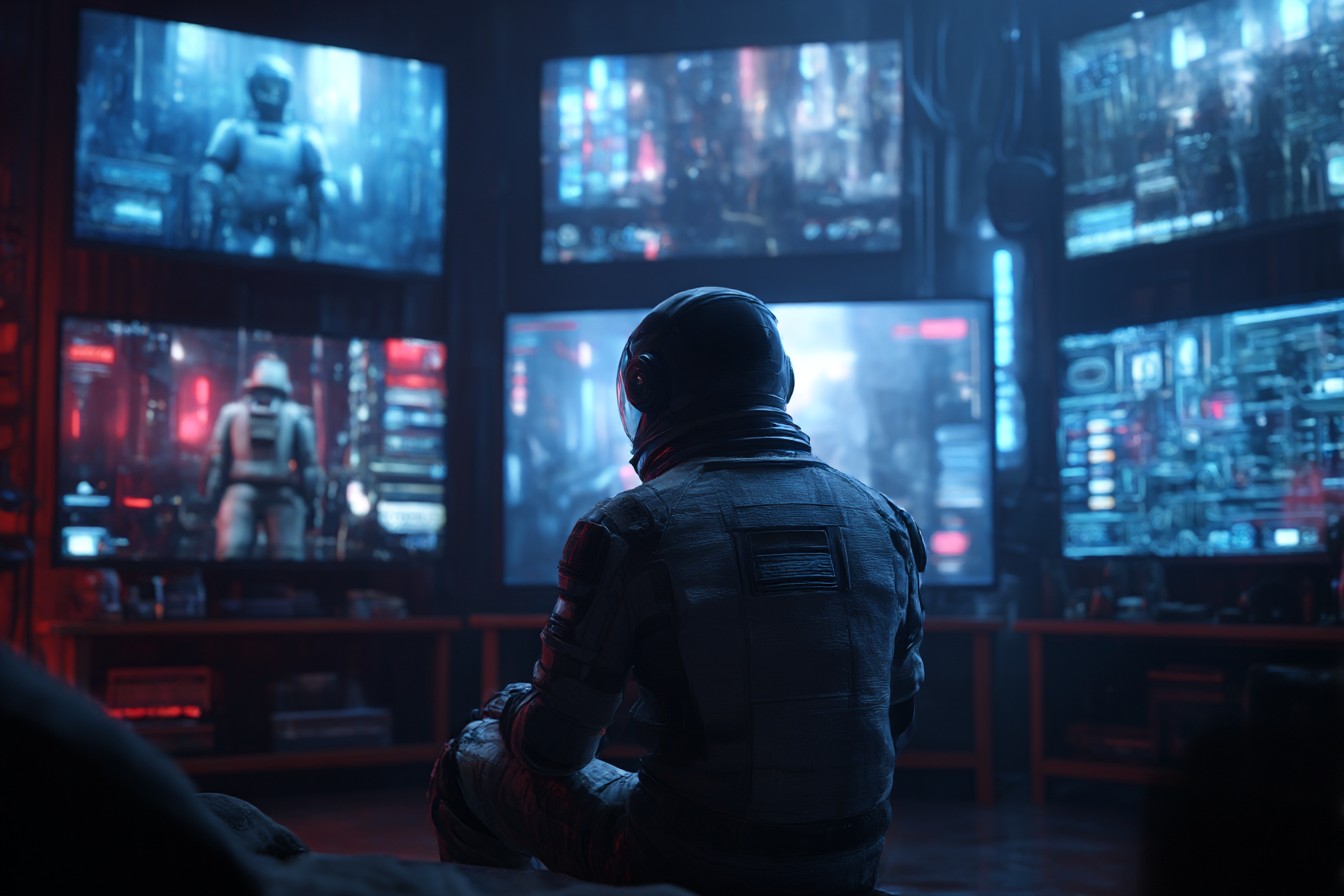
The sound design across these shows deserves recognition too. Foundation's Terminus has this subtle acoustic signature that makes the colony feel both isolated and alive. Severance's office hums with the kind of fluorescent buzz that every cubicle worker recognizes. These details matter. They're what transform good concepts into believable worlds.
I do have some critiques. See sometimes gets bogged down in its own mythology, and Invasion's slow-burn approach won't work for everyone. Foundation occasionally loses sight of its human characters while pursuing grand ideas. But these feel like the growing pains of ambitious television rather than fundamental flaws.
For anyone considering diving in, I'd start with Severance – it's the most immediately gripping and asks questions you'll be thinking about long after the credits roll. Foundation requires more patience but rewards it with scope and visual spectacle. For All Mankind works best if you're interested in alternate history and don't mind technical detail. Invasion is worth trying if you want something that subverts genre expectations.
Apple's bet seems to be that audiences are hungry for science fiction that treats them as intelligent adults. Based on what I've seen so far, they're probably right. These aren't perfect shows, but they're the kind of thoughtful, well-crafted sci-fi we need more of. Worth bingeing? Absolutely.
