








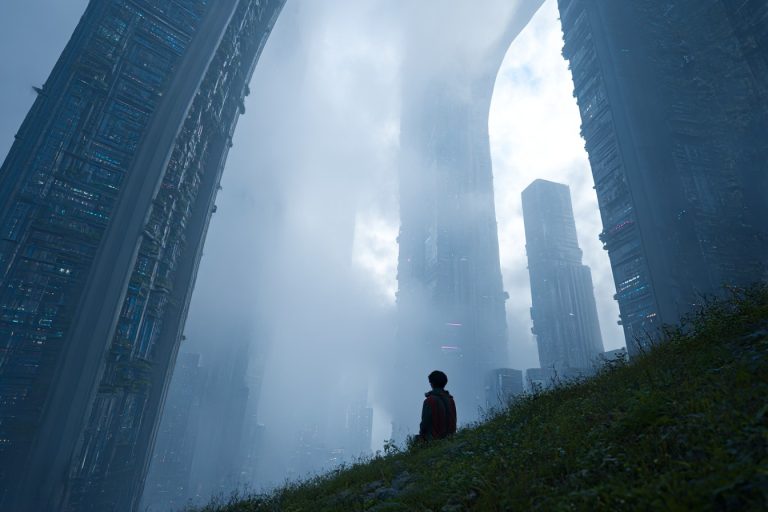

The cursor blinked at me for twenty minutes straight yesterday evening. You know that feeling — you've got this urge to write something, anything, but your brain feels like it's running through molasses. I'd been staring at my notebook (the same one from childhood, now held together with electrical tape), when I realised something: I wasn't stuck because I lacked ideas. I was drowning in them.
See, science fiction doesn't suffer from a shortage of "what if" moments. The problem is picking which rabbit hole to tumble down first. Should you explore the abandoned mining facility on Europa where the ice makes sounds like whale songs? Or maybe focus on the neighbourhood where everyone's memories get backed up to a community server every Tuesday? Both ideas had been rattling around my head since I watched a documentary about Antarctic research stations and immediately started wondering what loneliness would feel like with a three-hour communication delay to Earth.
That's when I grabbed a fresh sheet of paper and started jotting down the kind of story starters that actually make me want to keep reading. Not the ones that sound impressive at dinner parties, but the ones that dig their claws into your brain and won't let go.
Here's what I came up with, and honestly, I'm probably going to end up writing half of these myself if nobody else does.
Start with something small and wrong. Your protagonist discovers their houseplants have been growing at exactly twice the normal rate since the power company installed those new smart metres. Nothing dramatic — just their spider plant reaching the ceiling when it should barely touch the windowsill. But when they mention it online, seventeen neighbors respond with photos of their own botanical anomalies. I love this kind of prompt because it begins with something you could actually notice, something that would genuinely bother you enough to investigate.
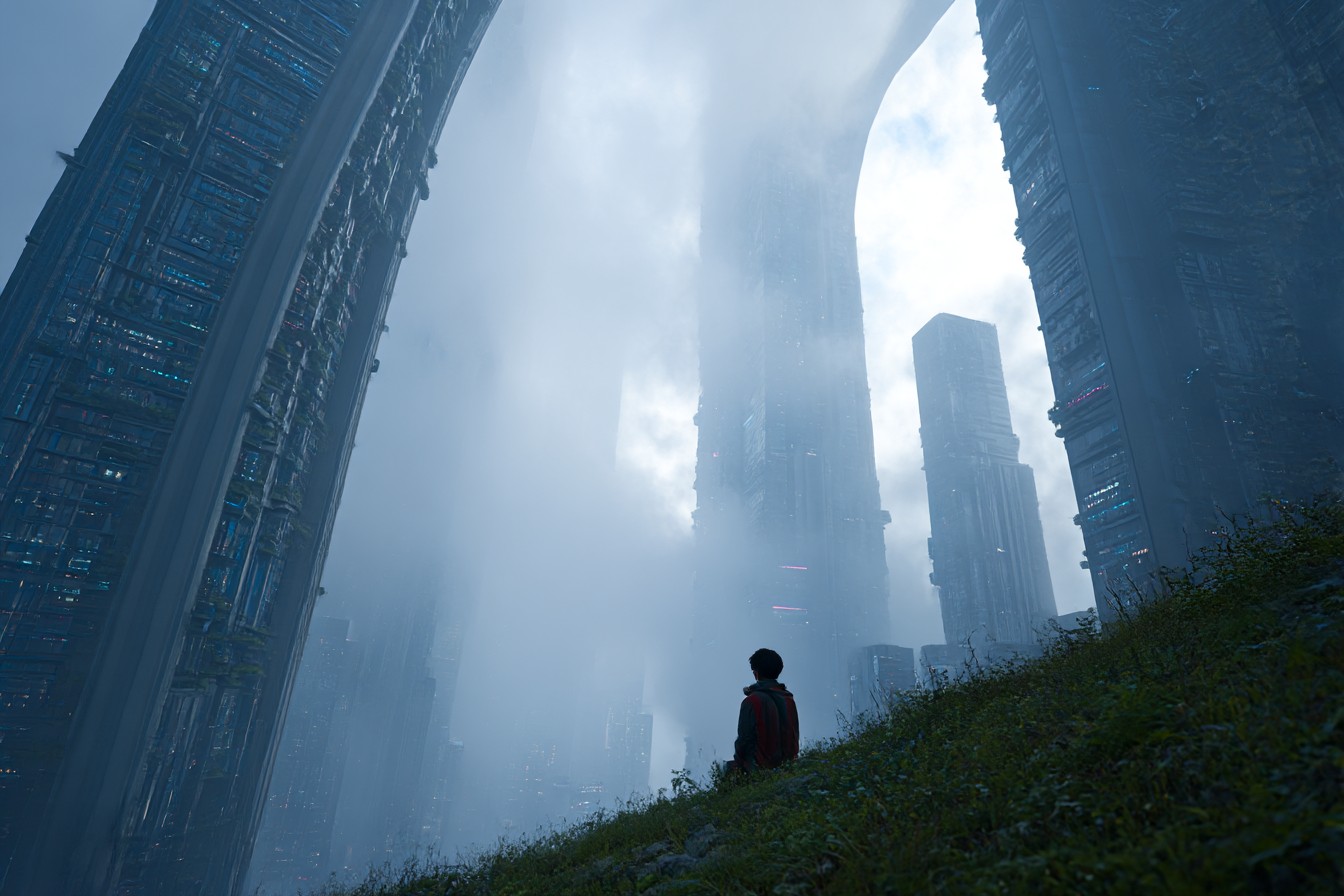
Or try this: in 2087, "authentic" pre-digital music becomes so valuable that people risk their lives smuggling physical vinyl records across heavily monitored borders. Your character runs a black market listening post in the basement of what used to be a Guitar Center, where people pay premium rates to hear three minutes of uncompressed audio from the old world. The twist? They've never heard real instruments themselves — everything they know about "authentic" sound comes from digital recreations of recreations.
Here's one that kept me awake last Tuesday: time moves differently for people with different metabolisms. Not dramatically — we're talking microseconds per heartbeat — but enough that after forty years, some people have aged three days longer than others. Society has split into "fast" and "slow" populations who can barely maintain relationships across the temporal divide. Your story follows someone who discovers they can consciously adjust their personal time rate, but every change costs them memories.
I've always been fascinated by AI prompts that focus on consciousness rather than rebellion. Try this: your protagonist works quality control for a company that manufactures artificial dreams. They test each batch by experiencing it personally — falling asleep hooked to machines that stream someone else's subconscious experiences into their mind. The pay is excellent, the work is surreal, but lately they've been having trouble distinguishing their own dreams from the products they're testing. Worse, they're starting to prefer the artificial ones.
Environmental sci-fi doesn't have to be doom and gloom. Picture this: rising sea levels have been solved by engineered coral that grows into predetermined architectural shapes. Entire cities are built from living reefs that filter water, generate power, and adapt to changing conditions. Your character is a "coral architect" who designs new neighborhoods, but they've just discovered that their latest creation isn't growing according to plan. It's developing its own agenda, and possibly its own intelligence.
Medical technology opens up weird possibilities too. Everyone carries microscopic health monitors in their bloodstream now, devices that prevent illness by making tiny adjustments to body chemistry throughout the day. But your protagonist's monitors have started making changes they didn't authorize — boosting their reflexes before they encounter danger, sharpening their memory before important conversations. Someone or something is controlling the devices remotely, optimizing their life in ways they never requested.
Space colonization stories work best when they're personal. Here's mine: your character lives on a generation ship that's been traveling for sixty years toward a destination they'll never reach. But they've just discovered that Earth has developed faster-than-light travel and the first FTL ships reached their intended planet decades ago. The colonists they're bringing are now redundant, their sacrifice meaningless. Do they tell the other passengers? Do they change course? Do they continue the journey anyway, knowing they're bringing nothing but outdated technology and obsolete humans to a world that's already moved on?
Social media meets biotechnology: in the near future, people can share not just photos and videos, but actual sensory experiences. Your character runs a small business recording and selling niche sensations — the feeling of perfect temperature water, the exact texture of a cat's fur, the satisfaction of a perfectly sharp pencil. But they've just recorded something they weren't supposed to: a murder, experienced from the killer's perspective. The recording is spreading through underground networks faster than they can track it.
Here's a prompt I'd tackle myself if I had six months and unlimited coffee: humanity has developed perfect translation technology, but it works too well. The AI doesn't just translate words — it translates cultural context, emotional subtext, and even unspoken assumptions. International communication becomes so efficient that cultural differences start disappearing. Your character works for a resistance movement trying to preserve misunderstanding, translation errors, and the beautiful confusion that comes from imperfect communication.
The best science fiction prompts aren't really about the future — they're about right now, just tilted sideways until the familiar becomes strange. They take the things we already worry about (privacy, memory, connection, purpose) and ask what happens when technology amplifies or distorts them beyond recognition.
Pick one that makes you uncomfortable. That's usually where the good stories hide.
