
















Last weekend, I found myself rewatching *The X-Files* for probably the dozenth time, and something struck me — Mulder's flip phone looked just as dated as I expected, but his obsession with government conspiracies felt unnervingly current. It got me thinking about why certain shows from the '90s still work while others feel like museum pieces.
There's something magical about that decade's approach to science fiction television. Maybe it was the timing — we were right at the edge of the digital revolution, close enough to smell the future but not quite there yet. Writers had to imagine what connectivity might look like, what artificial intelligence could become, how technology would reshape human relationships. They couldn't just copy-paste existing tech; they had to dream it up.
I've been tinkering with building a replica of the *Star Trek: Deep Space Nine* control panels in my spare bedroom (don't ask me why, it seemed reasonable at 2 AM), and I've noticed how those interfaces actually make sense. The designers weren't just slapping random blinking lights together — they created systems that felt functional, even if the underlying tech was pure fiction. Compare that to some modern sci-fi where holographic displays do everything with a wave of the hand. The '90s shows had buttons. Physical switches. Things that looked like they might actually break if you hit them too hard.
*Babylon 5* probably nailed this better than anyone. J. Michael Straczynski built a universe where politics mattered more than phasers, where alien cultures had genuine philosophical differences, not just funny foreheads. I remember being twelve and not understanding half the political machinations, but I could feel the weight of them. These weren't adventures-of-the-week; they were stories about what happens when different species try to coexist, about the cost of war, about how good people can make terrible decisions under pressure.
The thing is, JMS wrote that show on a five-year plan. He knew where every character arc was heading, which meant even the throwaway lines in season one connected to major plot points three seasons later. Modern streaming shows try to do this, but they're often hedging their bets — will we get renewed? Should we wrap up the mystery or stretch it out? The '90s had a different rhythm. Shows expected to run, so they could build slowly.
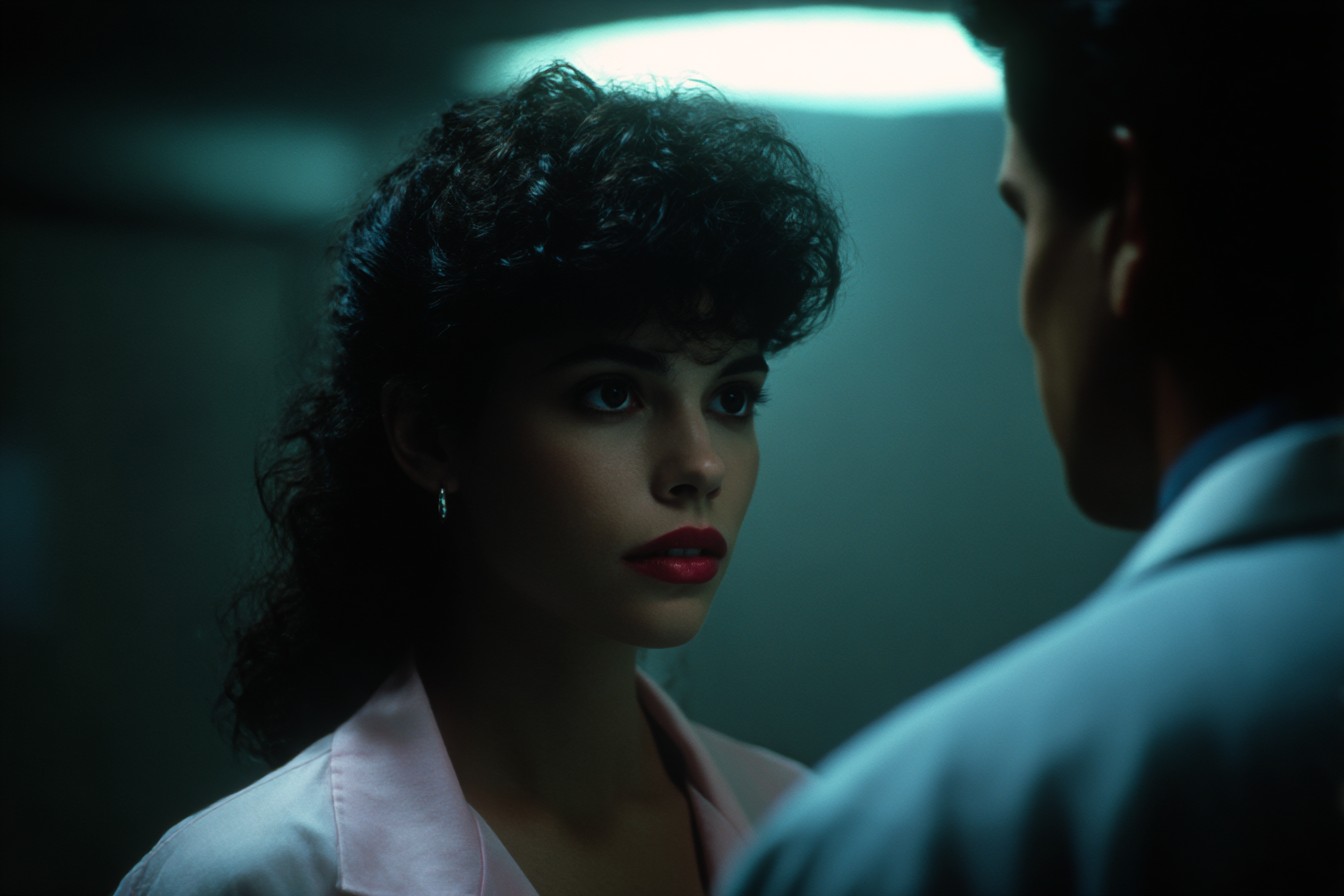
*The X-Files* mastered this patience too. For every monster-of-the-week episode (and honestly, those were often the best ones), there'd be these mythology episodes that dropped breadcrumbs about alien colonization, government cover-ups, oil-based life forms that still give me the creeps. But here's what worked: Mulder and Scully felt like actual people first, paranormal investigators second. Their banter, their different approaches to evidence, the way they'd argue about what they'd just seen — that's what kept you watching.
I tried explaining this to a friend who's maybe fifteen years younger than me, and she looked at me like I'd grown a second head. "But the effects are terrible," she said, and she wasn't wrong. Those CGI shots of spaceships in *Babylon 5* were cutting-edge for 1994 but look pretty rough now. The makeup in *Star Trek: Deep Space Nine* required actors to sit in chairs for hours getting prosthetics applied. Everything took longer, cost more, looked less polished than what we can do with a decent laptop today.
But maybe that's exactly why these shows still work. When your effects budget is limited, you focus on story. When you can't show the alien homeworld in photorealistic detail, you have to make the alien's perspective compelling through dialogue, through behavior, through what they value and fear. *Deep Space Nine's* Odo didn't need expensive shapeshifting effects to be interesting — his struggle with identity, his outsider's view of "solid" behavior, his complicated relationship with justice, that's what made him memorable.
The other thing these shows understood was consequence. When someone died, they stayed dead (mostly). When a character made a mistake, it haunted them for seasons. Avery Brooks's Captain Sisko wasn't just a noble Starfleet officer — he was a man making increasingly morally ambiguous choices, compromising his principles for the greater good, or what he hoped was the greater good. That final season where he tricks the Romulans into joining the war against the Dominion? That's not typical Trek optimism. That's a man realizing that sometimes the universe doesn't give you clean solutions.
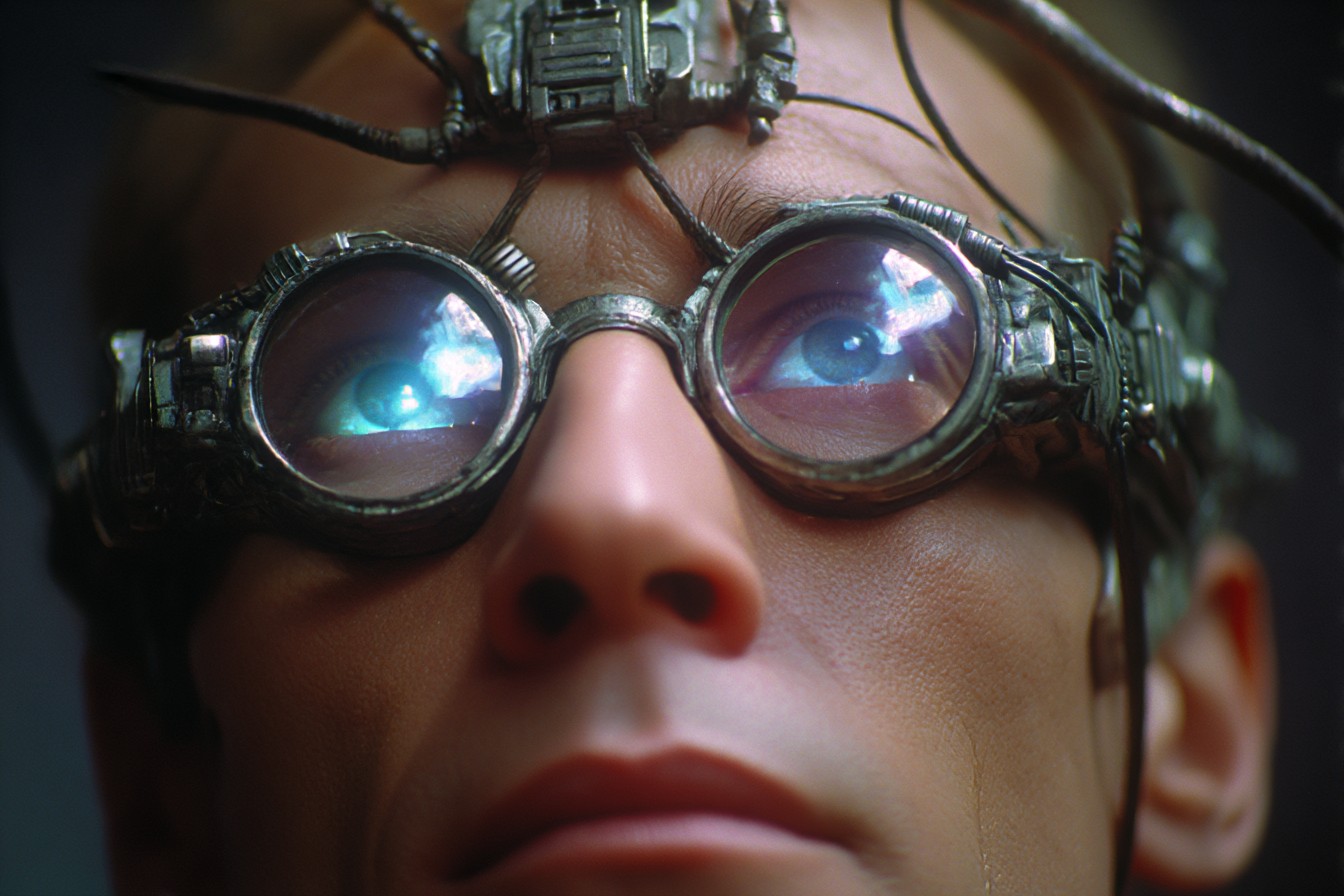
I think that's what I miss most about '90s sci-fi television — the willingness to sit with uncomfortable questions. *The X-Files* never really answered whether the truth was out there. *Babylon 5* showed us what victory looked like when it cost everything you thought you stood for. Even *Quantum Leap*, which seems pretty straightforward on the surface, was really asking whether one person could make meaningful change in a vast, complex world.
These days, I'll put on an episode of *DS9* while I'm calibrating sensors for my model spaceship interiors (I told you not to ask), and I'm always surprised by how well the storytelling holds up. The technology looks dated, sure, but the human questions — about loyalty, sacrifice, identity, the price of progress — those never get old.

Maybe that's the secret. The best '90s sci-fi wasn't really about predicting the future. It was about examining the present through the lens of possibility, asking what we might become if we pushed certain tendencies to their logical conclusions. Whether we got the details right matters less than whether we asked the right questions.
And honestly? Some of those shows got more right than they had any business doing. But that's a whole other conversation.
