






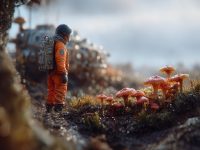


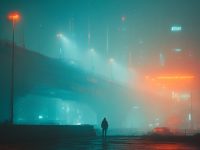




I’ve been wrestling with post-apocalyptic stories for decades now, and there’s something that keeps bugging me about how Hollywood handles them. You know what I mean – that inevitable moment when filmmakers seem to lose their nerve and slap on some uplifting conclusion that feels completely wrong for the world they’ve just spent two hours building. It’s like they don’t trust their audience to sit with genuine darkness, even when that darkness is exactly what makes these stories matter in the first place.
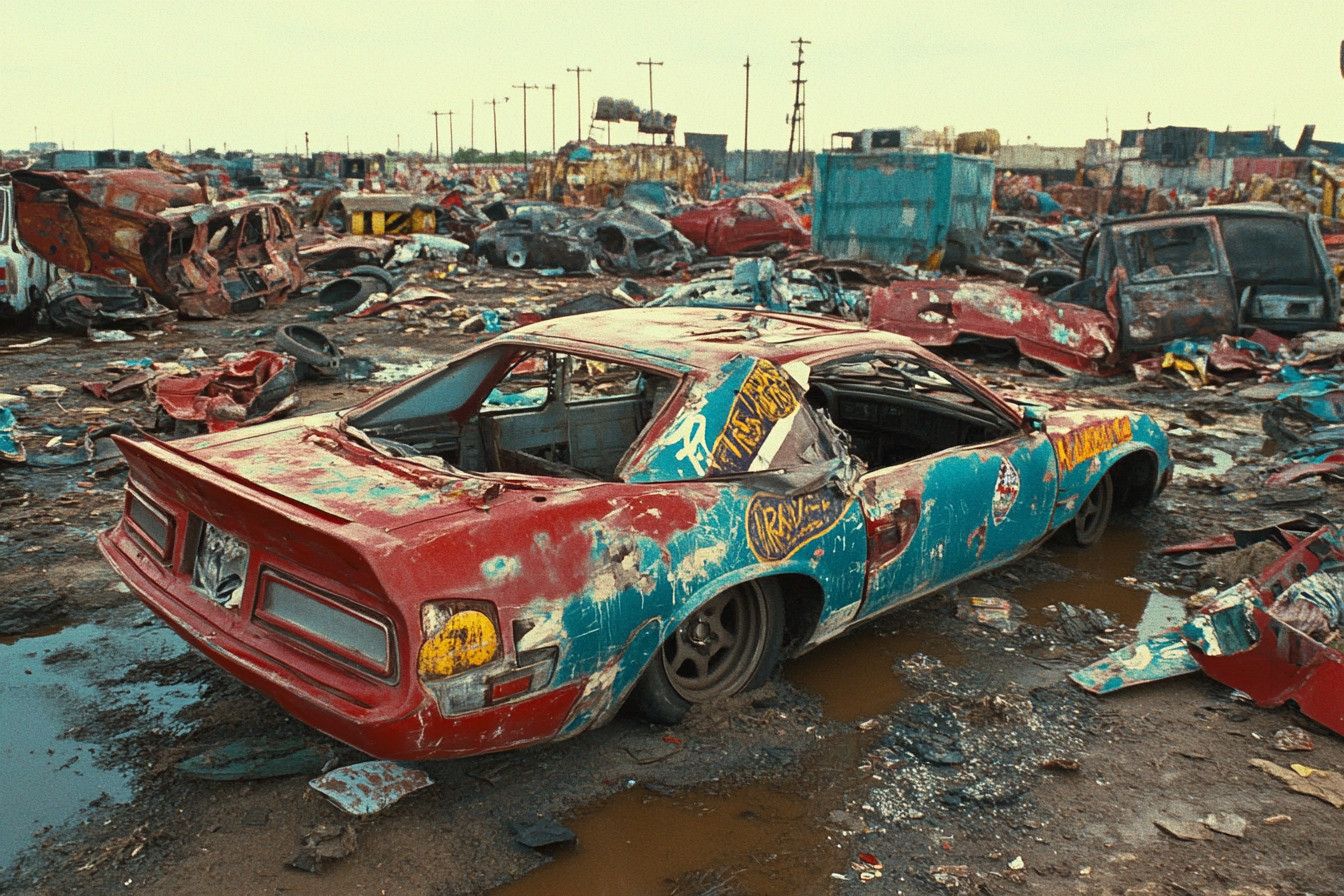
My obsession with this probably started back when I caught “The Road” during its opening weekend at the Neptune Theatre here in Seattle. I remember walking out of that midnight showing feeling completely shattered – and I mean that in the best possible way. Cormac McCarthy’s vision, even filtered through Hillcoat’s adaptation, had this relentless commitment to showing you what the end of everything might actually look like. No sugar-coating, no false comfort, just a father and son walking through ash and trying to maintain some scrap of humanity while the world literally died around them.
But here’s the thing that’s been eating at me for years now – even “The Road,” bleak as it was, couldn’t resist that final gesture toward hope. That moment when the boy finds the family at the end, when we’re suddenly supposed to believe that maybe, just maybe, things might work out. I get why they did it, I really do, but it felt like a betrayal of everything that came before.
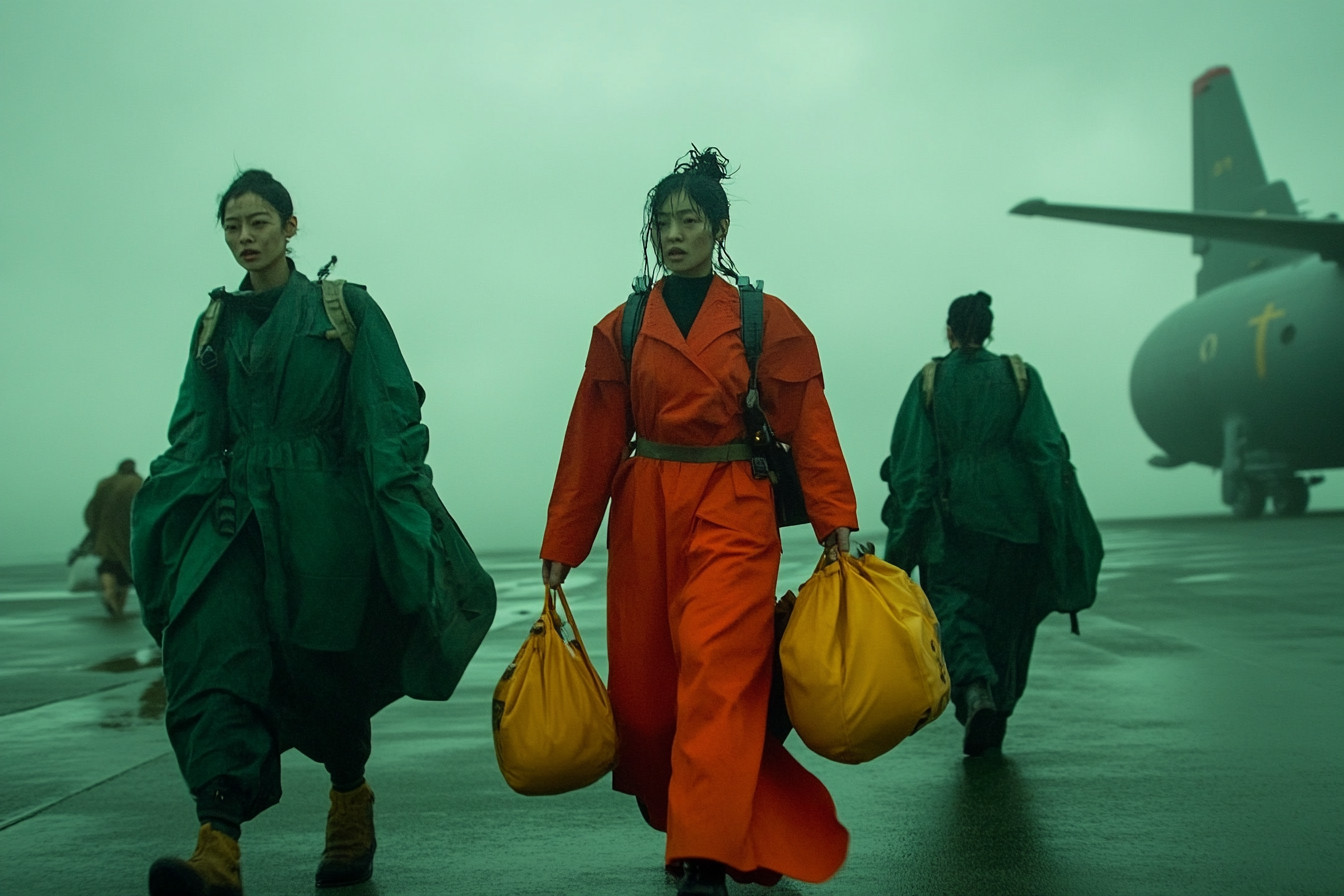
“I Am Legend” drives me absolutely crazy for exactly this reason. Francis Lawrence had Will Smith giving this incredible performance as the last man in New York, completely isolated, slowly losing his mind while trying to find a cure for humanity’s self-inflicted apocalypse. The loneliness was palpable, the desperation real – and then they went and gave us that sacrificial ending where his research saves everyone. Complete nonsense. Richard Matheson’s original novel understood something the movie didn’t: sometimes the monster is us, and sometimes there’s no coming back from what we’ve done to ourselves.
The theatrical ending of “I Am Legend” is everything wrong with how studios approach this genre. They had test audiences, focus groups, marketing executives all pushing for something that would make people feel better about spending their fifteen bucks. But post-apocalyptic fiction isn’t supposed to make you feel better – it’s supposed to make you think about what we’re doing wrong right now, while we still have time to change course.
I mean, look at what happened with the alternate ending that got cut. In that version, the infected aren’t just mindless monsters – they’re the new humanity, and Will Smith’s character is the relic, the thing that doesn’t belong anymore. It’s disturbing, yeah, but it’s also profound in a way the theatrical cut completely abandoned. The infected leader comes for his mate, and suddenly you realize who the real monster has been all along. That’s the kind of uncomfortable truth that makes post-apocalyptic fiction valuable, not just entertaining.
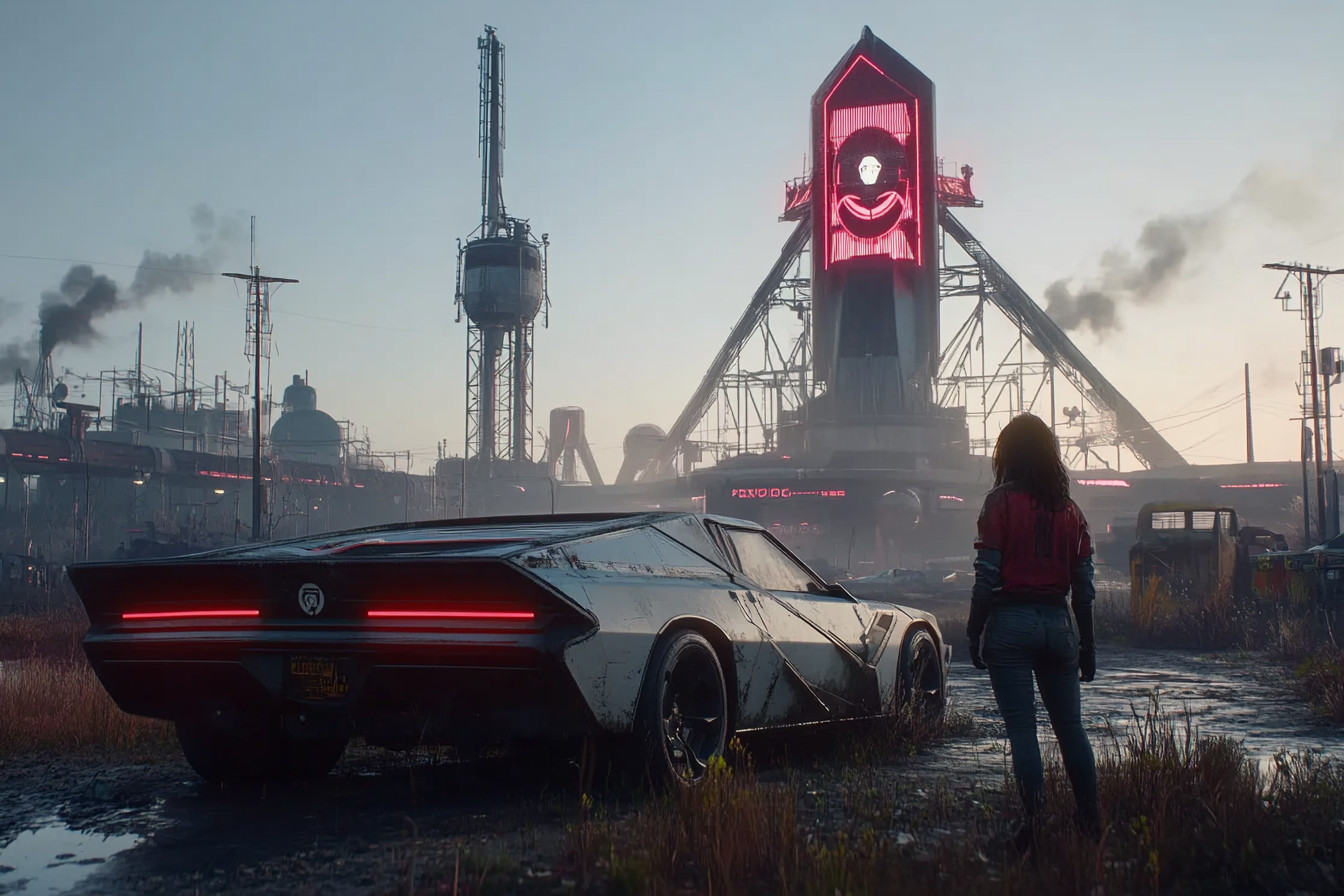
What really gets me is this assumption that audiences can’t handle moral ambiguity or genuine despair. I’ve been reading sci-fi for forty years, and some of the most powerful stories I’ve encountered are the ones that refuse to offer easy answers. J.G. Ballard’s “The Drowned World” doesn’t end with humanity adapting and rebuilding – it ends with acceptance of transformation, even if that transformation means the end of everything we recognize as human civilization. That’s terrifying, but it’s also honest about what climate catastrophe might actually mean.
When “Children of Men” came out in 2006, I thought maybe we were finally getting somewhere. Cuarón understood that hope in a dying world has to be fragile, hard-won, and probably temporary. The baby’s cry in that refugee camp is devastating precisely because you know it’s not going to fix anything – it’s just one moment of possibility in an ocean of despair. The film doesn’t promise that humanity will survive, just that the struggle to preserve life has meaning even when everything else is falling apart.
“Annihilation” did something similar a few years back. Alex Garland adapted Jeff VanderMeer’s novel in a way that embraced the weird, the unknowable, the genuinely alien. The ending doesn’t resolve anything – if anything, it opens up more questions about identity, change, and what survival might mean when the very concept of individual consciousness becomes fluid. I walked out of that movie feeling unsettled for days, which is exactly what good speculative fiction should do.
Most popular
I remember seeing “28 Days Later” at the Grand Illusion back when it first came out, and for most of its runtime, it felt like Danny Boyle really got it. The empty London streets, the casual brutality of both infected and survivors, Jim’s gradual realization that the military might be worse than the zombies – it was building toward something genuinely dark about human nature under pressure. Then that epilogue with the rescue planes spotted hope that felt tacked on, like someone in post-production got nervous about leaving audiences too disturbed.
The thing is, I don’t think audiences are as fragile as Hollywood assumes. Some of the most successful post-apocalyptic stories in recent years have been the ones willing to go dark and stay there. “The Walking Dead” ran for eleven seasons largely on the premise that things just keep getting worse, that survival isn’t about rebuilding the old world but about figuring out what kind of people you become when all the old rules disappear. When it worked best, it was because it committed to the idea that the apocalypse reveals who we really are, and sometimes that’s not pretty.
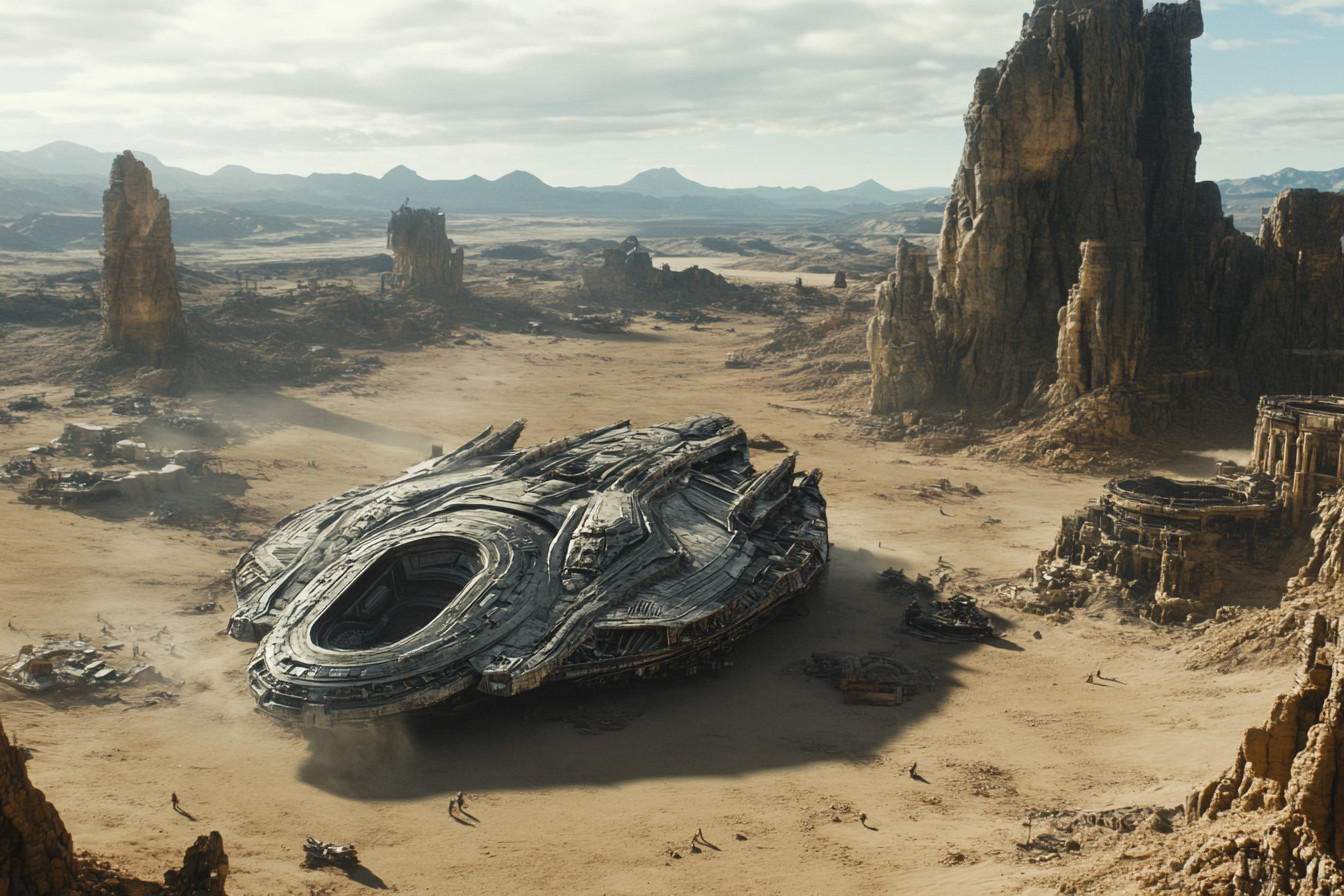
What I keep coming back to is this: post-apocalyptic fiction serves a purpose beyond entertainment. It’s a thought experiment about consequences, about what happens when our systems fail and our safety nets disappear. When you soften that with false hope or easy solutions, you’re not just making bad art – you’re missing the point entirely. These stories are supposed to be warnings, not comfort food.
I think about the students who come through my library, asking for book recommendations about climate change or social collapse, and what they’re really looking for isn’t reassurance that everything will work out fine. They want stories that take their fears seriously, that acknowledge the genuine possibility that we might not solve these problems in time. They want fiction that helps them think through what happens next, not fairy tales about human resilience and technological salvation.
The best post-apocalyptic stories I’ve read – from “Earth Abides” to “The Windup Girl” to “Station Eleven” – understand that the end of one world doesn’t necessarily mean the beginning of a better one. They’re interested in how people adapt, what gets preserved and what gets lost, how meaning-making works when all your familiar reference points are gone. Those are serious questions that deserve serious treatment, not Hollywood endings that make everything okay.
Maybe what I’m really arguing for is artistic integrity – the courage to follow your premise to its logical conclusion, even if that conclusion is uncomfortable. If you’re going to show us the end of the world, commit to what that actually means. Don’t lose your nerve in the final act and give us a rescue that undermines everything you’ve built. Trust your audience to sit with difficult truths. We need stories that prepare us for hard realities, not ones that lie to us about how easy salvation might be.

Kathleen’s a lifelong reader who believes science fiction is literature, full stop. From her book-filled home in Seattle, she writes about thoughtful, character-driven sci-fi that challenges ideas and lingers long after the last page. She’s a champion for under-read authors and timeless storytelling.