






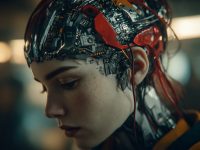






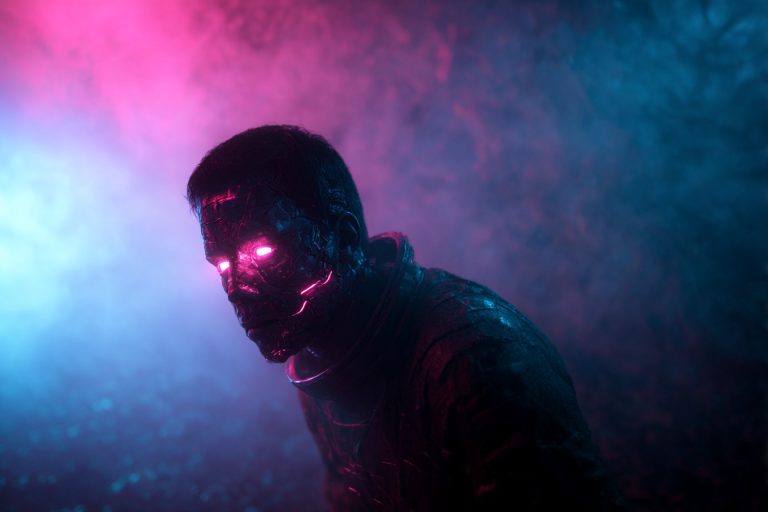

Man, I still remember the exact moment sci-fi horror clicked for me. I was maybe fifteen, staying up way too late on a school night playing System Shock 2 on my ancient desktop PC. The audio was cutting out because of some driver issue I couldn’t fix, but somehow that made SHODAN’s voice even more unsettling when it crackled through my cheap speakers. Here’s this AI that’s supposed to be helping you, right? Instead, she’s turning the crew into mutants while delivering these perfectly articulated monologues about human weakness. That’s when I realized something: the scariest sci-fi isn’t about laser battles or robot uprisings. It’s about our own technology becoming the thing that destroys us.
I’ve been chasing that feeling ever since, through games and movies and books that get the blend right. Because let’s be honest – most attempts at sci-fi horror are garbage. You get generic space marines fighting generic aliens, or you get jump-scare fests that happen to be set on spaceships. The good stuff though… the good stuff uses the science fiction to make the horror hit different.
Take Alien, which everyone talks about but for good reason. Ridley Scott didn’t just stick a monster on a spaceship and call it a day. He made every aspect of that future feel wrong somehow. The Nostromo isn’t sleek and clean like the Enterprise – it’s industrial, grimy, corporate. These aren’t explorers discovering new worlds; they’re blue-collar workers getting screwed over by a company that values the alien more than their lives. The horror works because the sci-fi elements create this specific kind of dread that you can’t get from a regular slasher movie.
I spent way too much time in college analyzing why some sci-fi horror works and some doesn’t. Had to write this paper on genre conventions, ended up watching probably fifty terrible B-movies from the ’80s and ’90s. What I figured out is that the failures treat each genre like a checklist. Sci-fi checklist: spaceships, check. Futuristic weapons, check. Some technobabble about quantum whatever, check. Horror checklist: creepy monster, check. Jump scares, check. Blood and guts, check. But when you just mash those elements together without understanding what makes each genre actually work, you get forgettable trash.
The stuff that actually stays with me does something more interesting. It uses the sci-fi elements to amplify human fears in ways that wouldn’t be possible in contemporary settings. Event Horizon is a perfect example – sure, it’s basically a haunted house story, but putting it on a ship that’s traveled through hell makes the familiar horror tropes feel fresh and genuinely unsettling. The experimental drive isn’t just a plot device; it’s the reason why this particular haunted house exists in the first place.
Body horror is where this gets really interesting. Cronenberg understood something that a lot of creators miss – transformation is already terrifying on a basic human level. We’re all afraid of losing control of our bodies, of becoming something we don’t recognize. The Fly works because it takes that universal fear and gives it this scientific framework that makes it feel inevitable rather than supernatural. When Jeff Goldblum starts… changing… it’s not magic, it’s genetics gone wrong. Somehow that makes it worse.
I’ve noticed that video games handle sci-fi horror differently than movies, partly because of the interactive element. When I played Dead Space for the first time (on my roommate’s Xbox because I couldn’t afford one), the dismemberment mechanic wasn’t just gross-out violence. It tied directly into the story’s themes about these creatures that wouldn’t stay dead, about a mining operation that went horribly wrong because corporate interests overrode safety concerns. You had to literally tear apart these reanimated crew members, and every encounter reminded you that these used to be people just trying to do their jobs.
But here’s what really gets me about the best sci-fi horror – it’s always about more than just scaring you. Ex Machina scared the hell out of me, but not because of jump scares or gore. It was the slow realization that Ava was manipulating Caleb from the beginning, that his attraction to her was programmed rather than genuine. That movie came out right when everyone was starting to worry about AI development, and it perfectly captured this anxiety about creating intelligence we might not be able to control.
The Thing is another one that works on multiple levels. Yeah, the practical effects are incredible and genuinely disturbing, but the real horror comes from the paranoia. Once you establish that anyone could be the creature, every interaction becomes suspect. The blood test scene is brilliant because it uses this moment of scientific verification to create maximum tension. MacReady’s trying to use logic and methodology to solve a problem that threatens to destroy the very trust that makes human cooperation possible.
I keep coming back to SHODAN though, maybe because games let you experience these stories differently than passive media. In System Shock, you’re not just watching someone deal with a rogue AI – you’re trapped on that station, dependent on computer systems that might be compromised. Every door you need to open, every elevator you ride, every security camera you pass could be another way for SHODAN to mess with you. The interactivity makes the paranoia personal.
Here’s something I’ve learned from trying to write sci-fi horror myself (badly, I should add) – you can’t just import traditional horror elements into futuristic settings and expect them to work. Ghost stories rely on old houses and family histories, but what’s the equivalent in a space station? Vampire stories are about seduction and corruption, but how does that work with genetic engineering or AI? The best sci-fi horror creates new sources of fear that are specific to technological contexts.
Climate fiction is doing interesting things with this right now. Annihilation freaked me out because it presents this scenario where our scientific understanding just… breaks down. The expedition keeps trying to catalog and analyze what they’re encountering, but the tools of rational inquiry become useless when reality itself stops following predictable rules. That’s a very modern kind of horror – the fear that our methods for understanding the world might not be adequate for the challenges we’re creating.
VanderMeer’s Southern Reach books do something similar. They’re not really about monsters or aliens in any traditional sense. They’re about what happens when human knowledge hits its limits, when the categories we use to make sense of the world stop working. The horror comes from this gradual realization that we might not be as in control as we think we are.
Most popular
What excites me about where this genre blend is heading is that we’re living through a moment when sci-fi concepts are becoming reality faster than we can process them. AI development, genetic engineering, climate modification – these aren’t distant future possibilities anymore. They’re happening now, and most people feel some mix of excitement and terror about where they might lead. The best sci-fi horror taps into those real anxieties and gives us ways to explore them safely.
I watched Upgrade last year and it nailed this feeling perfectly. It’s ostensibly about a guy who gets an AI implant after a brutal attack, but really it’s about our increasing dependence on technology and what happens when that technology starts making decisions for us. The action scenes are great, but what stayed with me was the gradual loss of agency – this sense that the protagonist was becoming a passenger in his own body.
That’s the kind of sci-fi horror that works for me now. Not space marines versus aliens, but stories that use fantastic elements to explore very real fears about where we’re headed as a species. The future isn’t necessarily scary because of what we might encounter out there. It’s scary because of what we might become.

Logan lives in Minneapolis with too many consoles and just enough opinions. He explores how sci-fi plays differently across games, TV, and film—celebrating great world-building and calling out lazy tropes. Expect passionate takes, sarcasm, and the occasional Mass Effect reference.