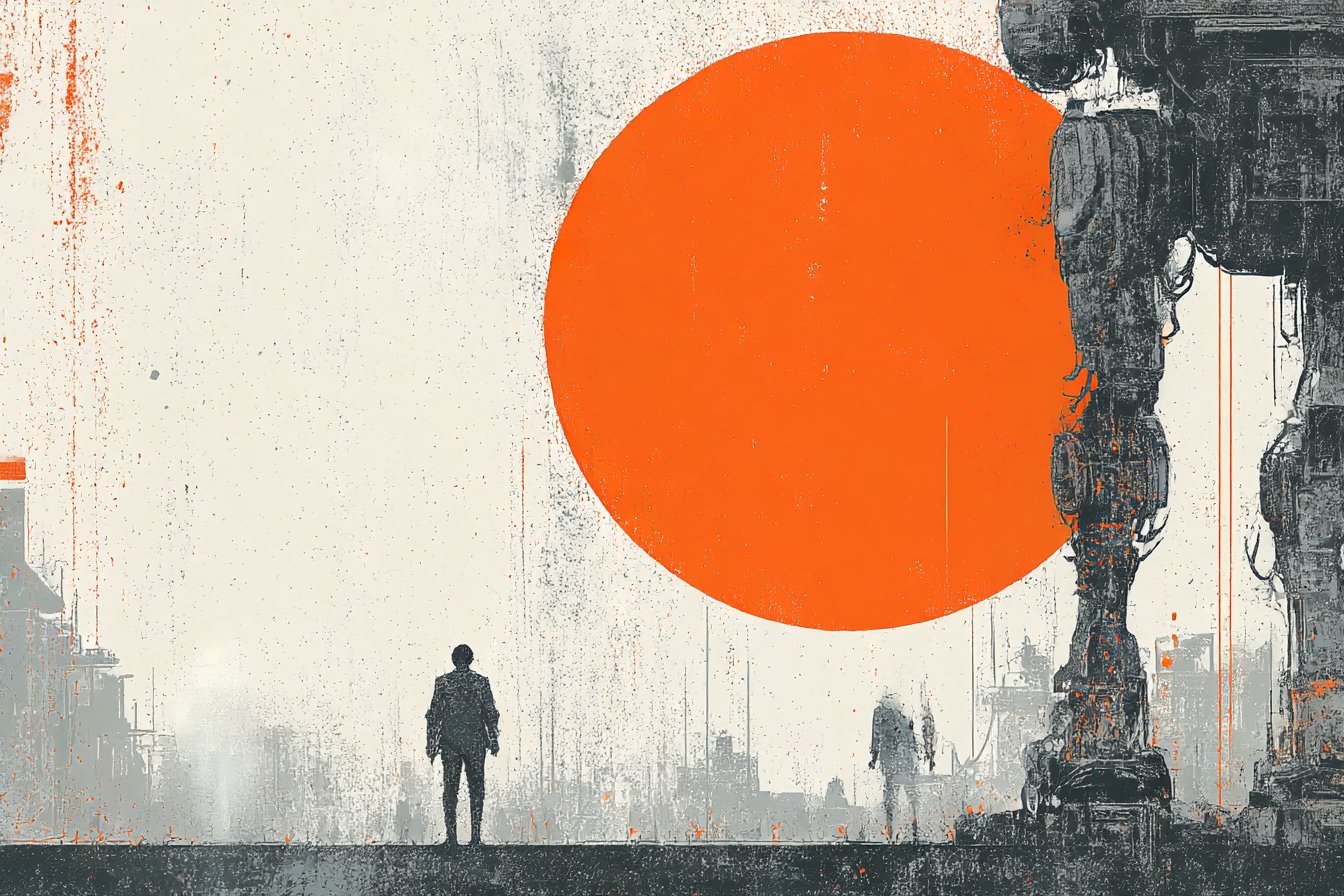

Last Tuesday, I found myself rewatching the opening sequence of *Arrival* for probably the twentieth time, and something clicked that hadn't before. It wasn't just Amy Adams staring at those impossible shell-like ships hovering over Montana wheat fields — it was how the camera lingered on her coffee cup, the way morning light caught the steam, before pulling back to reveal humanity's first contact with alien intelligence. That's the sweet spot right there: the mundane detail that makes the extraordinary feel real.
I've been thinking a lot lately about which sci-fi films and shows deserve your attention right now, especially with streaming services dumping new content faster than we can process it. Not everything with spaceships and laser beams is worth your evening, you know? But there are some gems that do something special — they make you pause, reconsider assumptions, maybe even change how you see the world outside your window.
*The Expanse* remains the gold standard for hard sci-fi television, even though it wrapped up last year. If you haven't watched it yet, start there.
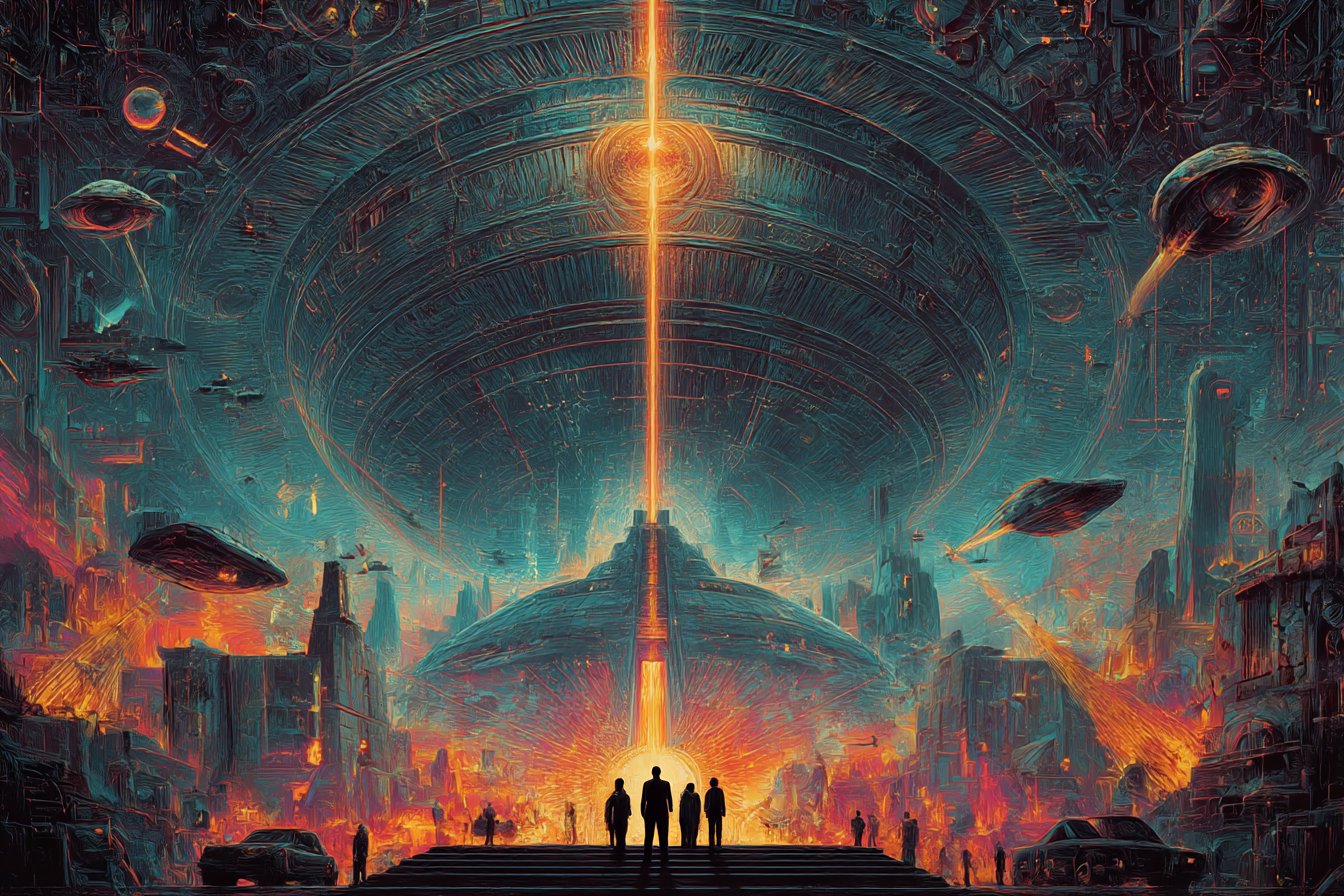
Seriously. The show gets physics right in ways that made my old engineering professors weep with joy. Water doesn't magically stay in cups during ship acceleration, people's bodies actually react to prolonged zero gravity, and space battles feel genuinely dangerous rather than pretty light shows. But what really makes it sing is how it explores political tensions between Earth, Mars, and the asteroid belt — the same tribal conflicts we have now, just spread across the solar system.
I remember trying to explain to my neighbor why *Arrival* works so well, and I ended up sketching those circular alien symbols on a napkin at the local pub. The film asks a simple question: what if language shapes how you experience time itself? Louise Banks doesn't just learn to communicate with aliens; she learns to think like them, experiencing her entire life simultaneously rather than sequentially. It's heady stuff, but grounded in real linguistic theory. Plus, watching Amy Adams grapple with the emotional weight of knowing the future — that's storytelling that hits you in the chest.
For something completely different, *Russian Doll* surprised me by being more than just "Groundhog Day with a snarky New Yorker." Season one builds this intricate puzzle about trauma, self-destruction, and second chances, while season two… well, let's just say it gets weird with family history and time travel in ways that shouldn't work but absolutely do. Natasha Lyonne carries it with this perfect mix of cynicism and vulnerability that makes even the most outlandish plot developments feel emotionally honest.

*Everything Everywhere All at Once* divided people pretty sharply — some found it overwhelming, others called it genius. I'm in the genius camp, though I'll admit it took three viewings to fully appreciate what the Daniels were doing. It's essentially a meditation on middle-aged disappointment wrapped in multiverse madness, with Michelle Yeoh jumping between realities where she's a movie star, a rock, or has hot dogs for fingers. Sounds ridiculous? It is. But it's also one of the most emotionally honest films about family I've seen in years.
If you want something recent that's flying under the radar, check out *Severance* on Apple TV+. The premise — employees surgically separate their work and personal memories — sounds like typical corporate dystopia stuff, but it's executed with this unsettling precision that made me genuinely uncomfortable about my own work-life balance. Adam Scott's performance as a man literally divided against himself is quietly brilliant, and the production design creates this retro-futuristic office environment that feels both timeless and deeply wrong.
You Might Also Like

*Dune: Part One* finally gave Frank Herbert's novel the treatment it deserved, after David Lynch's… let's call it "divisive" 1984 attempt. Denis Villeneuve understands that Dune isn't really about giant sandworms (though those are spectacular) — it's about power, prophecy, and what happens when someone designed to be a messiah actually becomes one. The sound design alone makes it worth seeing on the biggest screen possible. Those Ornithopter engines don't just sound mechanical; they sound organic, almost insectoid.
For TV that's currently airing, *House of the Dragon* proved that dragons and political intrigue still work when handled properly.
Yes, I know — technically fantasy, not sci-fi. But the way it explores power structures, technological progression (wildfire as medieval napalm, anyone?), and societal change feels more scientifically grounded than half the shows supposedly set in space.
*Strange New Worlds* brought Star Trek back to its roots after years of trying to be darker and grittier. Anson Mount's Captain Pike leads missions that actually explore strange new worlds rather than just fighting wars, and the episodes feel like classic Trek — optimistic, curious, willing to ask ethical questions without providing easy answers. It's comfort food sci-fi, but made with real care.

I've been rewatching *Black Mirror* episodes selectively — not the whole catalog, because honestly some haven't aged well, but specific ones that feel particularly relevant now. "San Junipero" remains a masterpiece about love, death, and digital afterlives. "USS Callister" skewers toxic geek culture while also being a crackling space adventure. "Be Right Back" explores AI companions in ways that feel more urgent every month.
Here's what ties all these recommendations together: they trust you to think. They don't spell out every implication or hold your hand through complex ideas. They present scenarios — linguistic aliens, memory division, quantum multiverses — and let you work through the implications yourself. That's the sci-fi I grew up loving, the kind that sent me scribbling in notebooks about time gates and living metal kitchens.
The best science fiction doesn't just show you cool technology; it shows you how that technology changes us, challenges us, forces us to confront uncomfortable truths about ourselves. Whether it's Louise Banks learning to experience time differently or the employees in Severance questioning the boundaries of identity, these stories make the impossible feel not just plausible, but inevitable.
That's what makes them essential viewing right now.

0 Comments