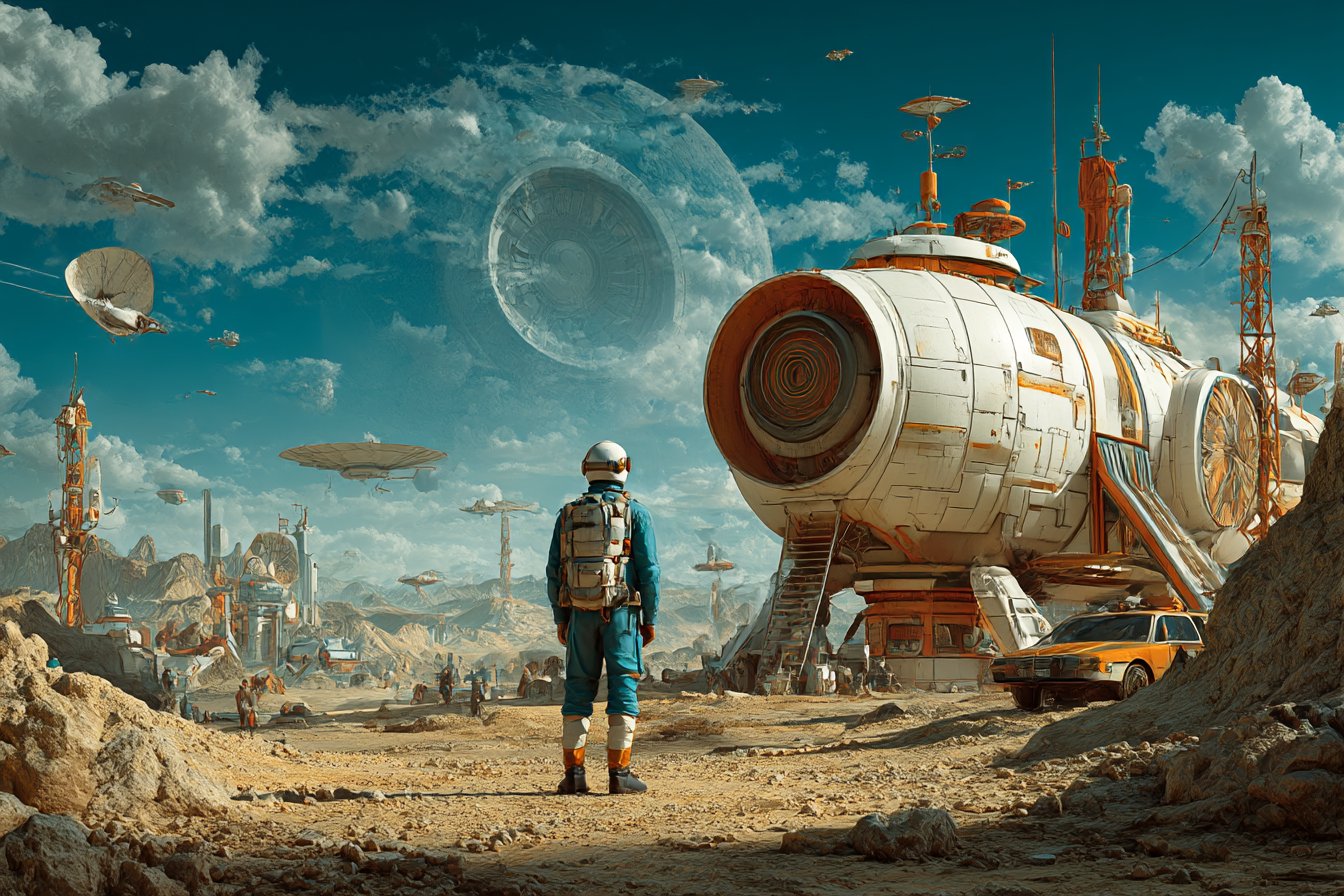

The coffee was getting cold while I stared at my screen, trying to figure out why my latest story felt like cardboard. I'd spent weeks researching fusion reactor designs, calculated energy outputs, even sketched diagrams of magnetic containment fields. The science was solid. But something was missing.
My protagonist stood in front of this revolutionary power source, and all I could manage was: "The reactor hummed efficiently." Efficiently? That's the best I could do? No wonder it felt lifeless.
The problem wasn't the science — it was that I'd forgotten about the human standing next to it.
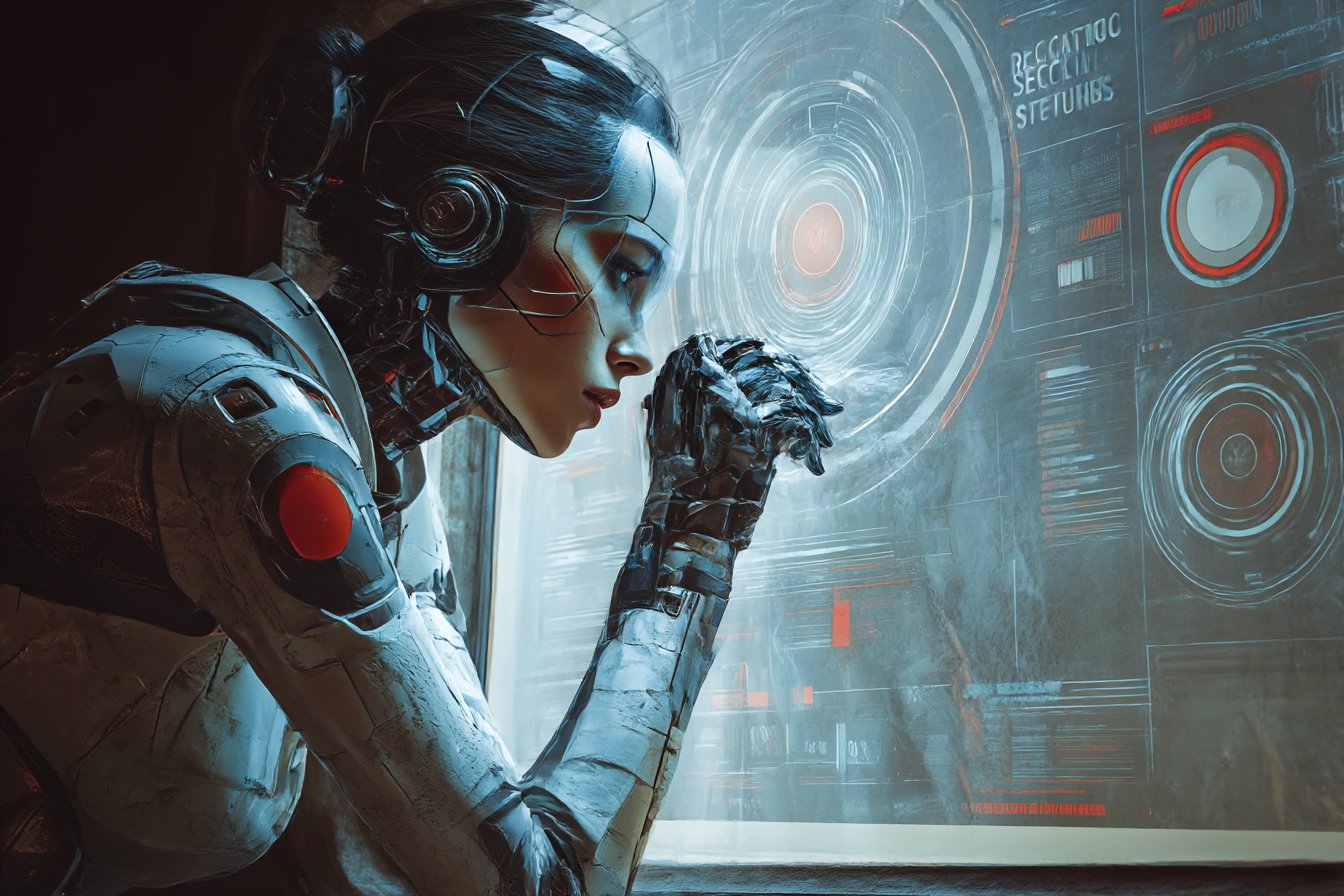
What would she actually notice? The subtle vibration through the deck plates under her feet. The way the air tasted slightly metallic near the containment chamber. Maybe she'd unconsciously step back when the magnetic field fluctuations made her fillings ache. Those details wouldn't show up in a technical manual, but they'd make the reader believe someone was really there.
Writing hard sci-fi isn't just about getting the physics right, though that's crucial. It's about building a bridge between rigorous scientific speculation and genuine human experience. The best hard sci-fi makes you think "this could actually happen" while also making you care deeply about what happens to the people caught up in it.
I learned this lesson the hard way during my electronics retail days. Customers didn't buy products because of technical specifications — they bought them because they could imagine how those specs would change their daily lives. A faster processor meant less time waiting for files to load, more time for what mattered. Better battery life meant freedom from constantly hunting for power outlets. The engineering was important, but the emotional connection sealed the deal.

The same principle applies to speculative fiction. Your faster-than-light drive might be based on brilliant theoretical physics, but readers won't engage unless they understand what it costs. Does the pilot age differently during transit? Do the quantum effects give navigators headaches? What happens to families when space travel makes time relative?
I keep a running list of questions pinned above my desk: How does this technology change how people sleep, eat, fall in love, argue with their kids? What new jobs would exist? What old ones would disappear? If we can print living tissue, what happens to surgeons? If AI handles most thinking tasks, how do humans find purpose?
The trick is grounding your speculation in things we already understand. When I was working on that space station visualization project, I spent hours watching maintenance workers service industrial equipment. The way they moved, the tools they used, their casual conversations about pressure readings — all of that informed how my fictional maintenance bots might behave centuries from now. Sure, the technology would be radically different, but the basic logic of keeping complex systems running? That's timeless.
Biology offers another rich vein for realistic speculation. I once spent an afternoon at a mycology lab, watching fungi digest cellulose. The researcher mentioned how certain species could potentially break down spacecraft materials in space. Suddenly I had a compelling reason why deep space travelers might need to rotate their ship hulls regularly, and a whole subplot about biological contamination protocols that felt both scientifically grounded and dramatically interesting.
You Might Also Like

The key is asking "what if" from multiple angles. What if this technology works perfectly? What if it works, but with unexpected side effects? What if it fails at the worst possible moment? Each scenario opens different story possibilities while testing the robustness of your scientific foundation.
I've noticed that the most compelling hard sci-fi often explores the unintended consequences of breakthrough technologies. Arthur C. Clarke's satellite communication predictions were brilliant, but he probably didn't foresee how orbital debris would become a major problem. Kim Stanley Robinson's Mars colonization trilogy gets so much right precisely because he thought through the psychological, ecological, and political challenges alongside the engineering ones.
Climate science offers particularly fertile ground right now. We understand the mechanisms of climate change pretty well, but the human response remains unpredictable. How do societies adapt when sea levels rise? What new conflicts emerge over fresh water? How do migration patterns shift? These questions have solid scientific underpinnings but leave plenty of room for storytelling.
Artificial intelligence presents similar opportunities. We're making rapid progress in machine learning, but we're still guessing about consciousness, creativity, and artificial emotion. A story exploring AI rights doesn't need to solve the hard problem of consciousness — it just needs to take current trends seriously and imagine plausible next steps.
The emotional stakes matter as much as the scientific accuracy. Characters should have skin in the game, not just intellectual curiosity about how the universe works. Maybe your quantum physicist is trying to save her daughter trapped in a parallel timeline. Your xenobiologist might be racing to understand alien pathogens before they wipe out her colony. The science drives the plot, but human relationships drive the reader's investment.

Research is crucial, but so is knowing when to stop.
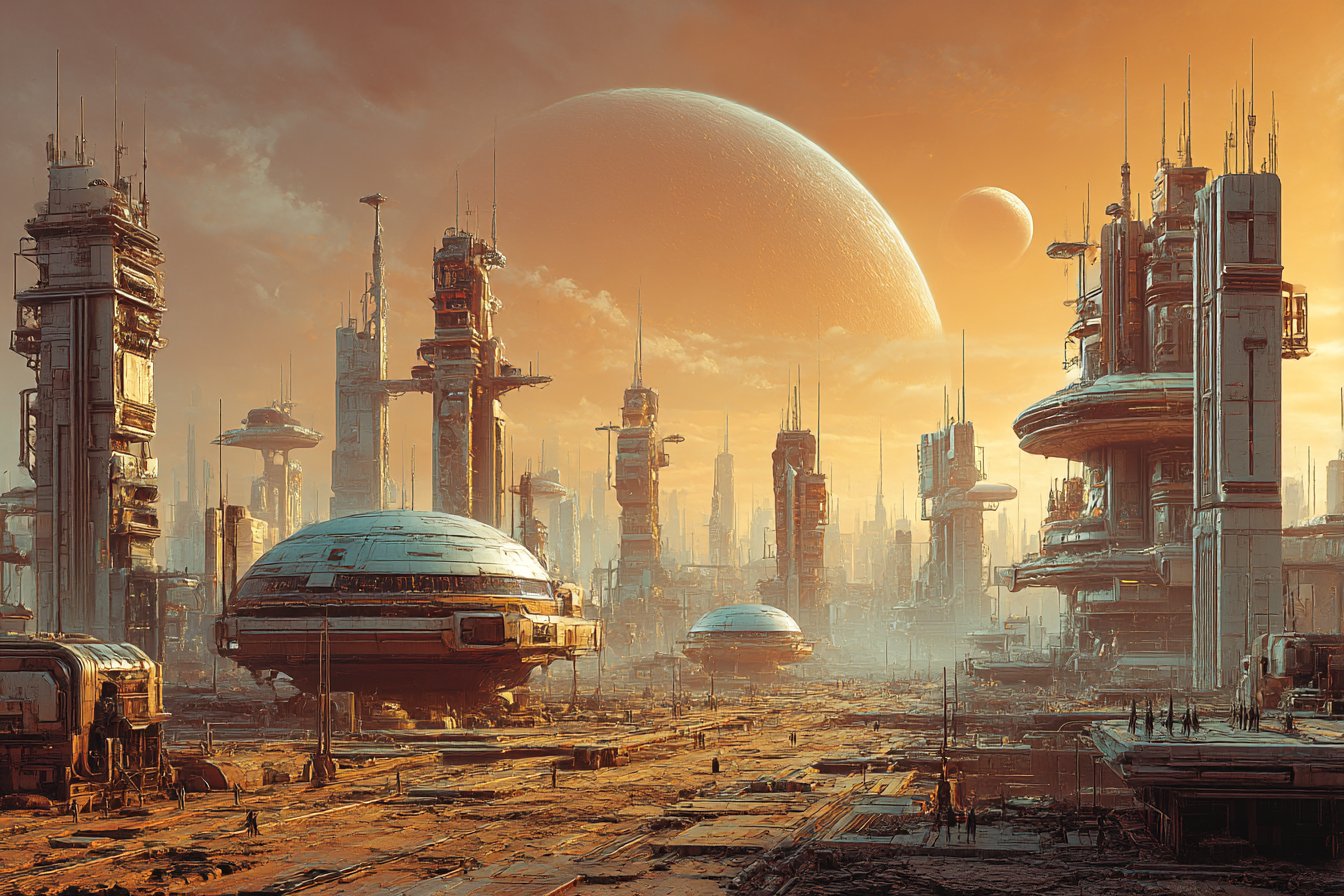
I've fallen into rabbit holes researching orbital mechanics for weeks, only to realize my story needed maybe two paragraphs of actual technical detail. The rest could be conveyed through character reactions and environmental details. Sometimes the most scientific approach is trusting your readers' intelligence and focusing on the experience rather than the explanation.
Testing your ideas helps too. I built a crude solar still last summer to understand water reclamation for a Mars colony story. It didn't work very well — condensation kept dripping back into the contaminated water — but that failure taught me more about the practical challenges than any research paper could.
The best hard sci-fi makes science feel inevitable rather than arbitrary. When readers finish your story, they should think "of course that's how it would work" even if they've never encountered the concept before. That sense of inevitability comes from respecting both the logical constraints of science and the emotional logic of human behavior.
Getting there takes patience, curiosity, and willingness to revise. But when it works — when the science and the story click together perfectly — you've created something that expands how readers see both the universe and themselves.

0 Comments