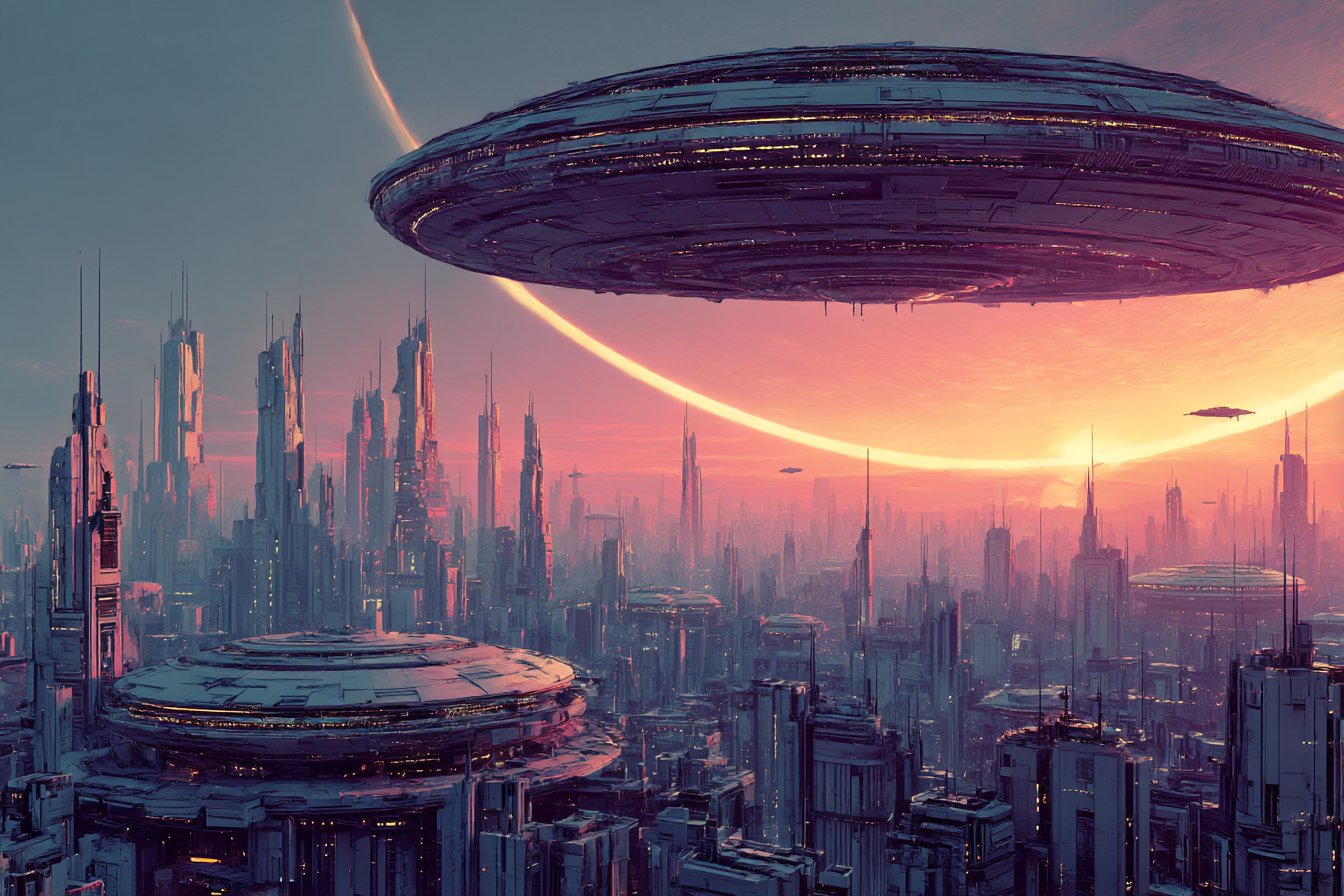

There's this moment that happens when you're watching a sci-fi series for the third time — maybe it's *Battlestar Galactica* or *The Expanse* — and you catch a detail you missed before. A throwaway line about water rationing suddenly carries weight because you understand the ship's limitations now. A character's facial expression means something different because you know what's coming. It's not just rewatching; it's archaeological, almost. You're digging through layers of storytelling.
I've been thinking about this a lot lately because my flatmate just finished *Babylon 5* for the fourth time (yes, fourth), and I watched him get genuinely emotional during scenes I've seen him watch before. "But you know what happens," I said, genuinely confused. He just shrugged. "That's not the point."
He's right, of course.
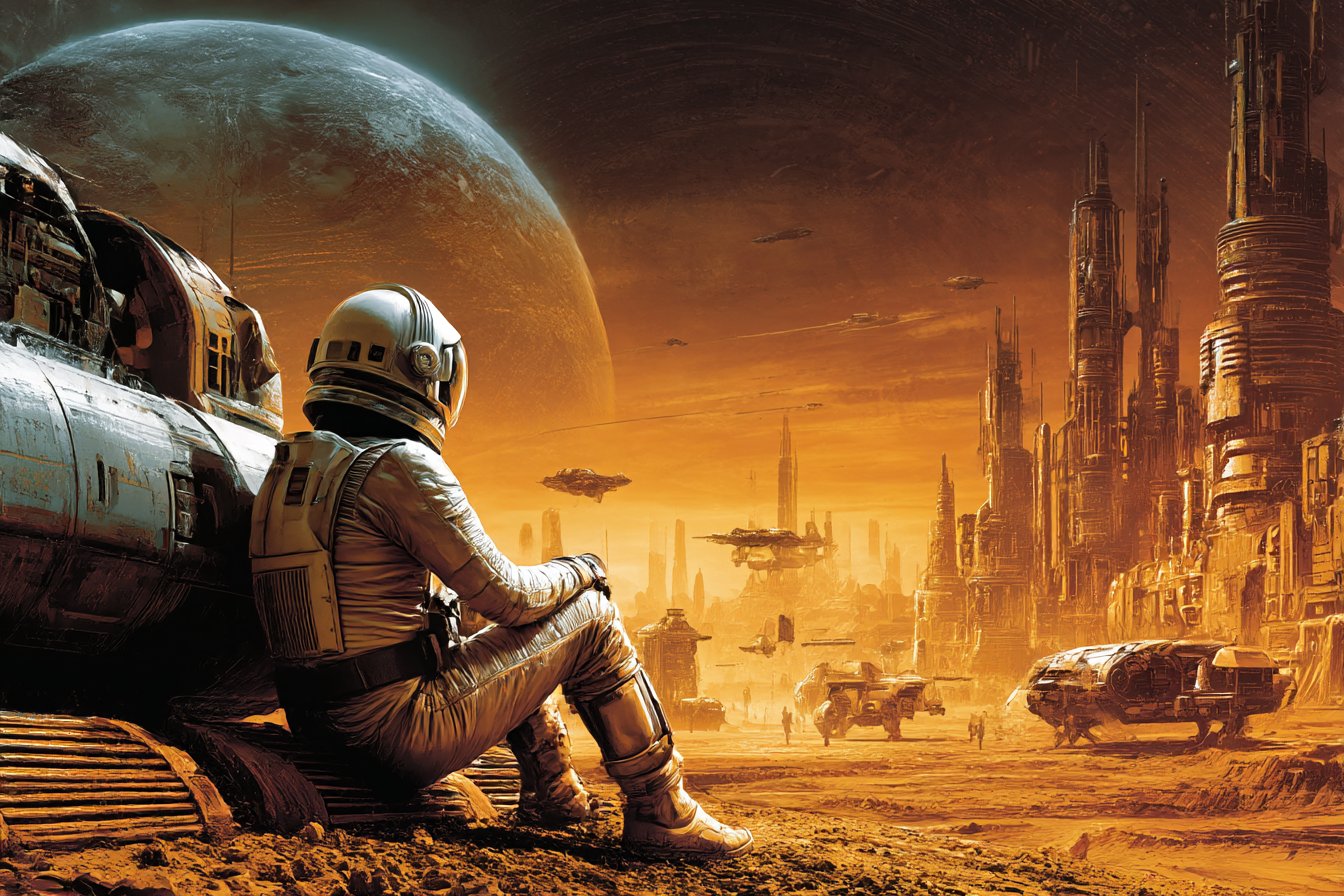
Knowing the destination doesn't diminish the journey when the journey itself keeps revealing new paths. But why sci-fi specifically? Why do we return to these imagined worlds more obsessively than, say, police procedurals or romantic comedies?
Part of it's the sheer density of worldbuilding. Good science fiction creates universes so rich that a single viewing can't possibly capture everything. When I first watched *Deep Space Nine*, I was focused on the main plot threads — the Dominion War, Sisko's relationship with the Prophets, whether Odo and Kira would ever sort themselves out. Second time through? I started noticing the background conversations in Quark's bar, the way different species interacted during crowd scenes, how the lighting shifted to reflect political tensions. The writers had built a world that could sustain that level of scrutiny.
It's like those old adventure games where you'd replay levels just to find hidden passages. Except instead of collecting coins, you're collecting understanding.

But there's something deeper happening too. Sci-fi series don't just ask "what if?" — they ask "what if, and then what?" They follow ideas to their logical conclusions, exploring how technology or alien contact or time travel would actually affect people's daily lives. The really good ones show you the second and third-order effects, the unexpected consequences, the moral complications that emerge when the dust settles.
I remember watching *Black Mirror* episodes multiple times not because I enjoyed being depressed (though honestly, sometimes I do), but because each viewing revealed new layers of the social commentary. The first time, you're caught up in the plot mechanics — how does the rating system work, what are the rules of this digital afterlife? The second time, you notice how the characters' relationships shift, how their language changes, how the technology shapes their behavior in subtle ways.
This is where sci-fi's obsession with systems becomes a feature, not a bug. These shows create intricate cause-and-effect chains that reward careful attention. You spot the foreshadowing that wasn't obvious the first time. You notice how early episodes establish rules that become crucial later. You start to see the writers' chess game playing out across multiple seasons.
You Might Also Like

There's also this weird comfort in returning to imagined futures. Real life is unpredictable and often disappointing, but fictional universes follow rules. Even when those rules are bizarre — faster-than-light travel, telepathic aliens, sentient AIs — they're consistent. There's something soothing about a world where problems have solutions, even if those solutions involve traveling through wormholes or negotiating with hive minds.
I think that's why shows like *Star Trek* have such devoted followings. Not just because they're optimistic about humanity's future (though that helps), but because they present challenges that can be solved through ingenuity, diplomacy, and ethical reasoning. Even when characters make mistakes, the universe doesn't punish them arbitrarily. Actions have consequences, but they're comprehensible consequences.
Of course, not all sci-fi is comforting. Some of it's deliberately unsettling, like *Altered Carbon* or *The Leftovers*. But even dystopian sci-fi offers a different kind of satisfaction on rewatch — you get to trace how things went wrong, spot the warning signs, understand the mechanics of societal collapse. It's like studying a car crash in slow motion, except the car is civilization and the crash involves genetic modification or social media algorithms.
The aesthetic element matters too. Sci-fi series often have incredibly distinctive visual languages — the grimy industrial look of *Firefly*, the clinical sterility of *Westworld*, the retro-futuristic design of *The Jetsons* (yes, I'm counting cartoons). These visual styles become almost addictive. You want to return to those spaces, spend time in those environments, even if terrible things happen there.
I spent way too much money on a replica of the LCARS interface from *Next Generation* just so I could have those particular colors and fonts on my desk. Not because it's functional (it definitely isn't), but because I wanted a piece of that universe in my actual workspace. The aesthetic had become part of my comfort zone.

Then there's the community aspect.
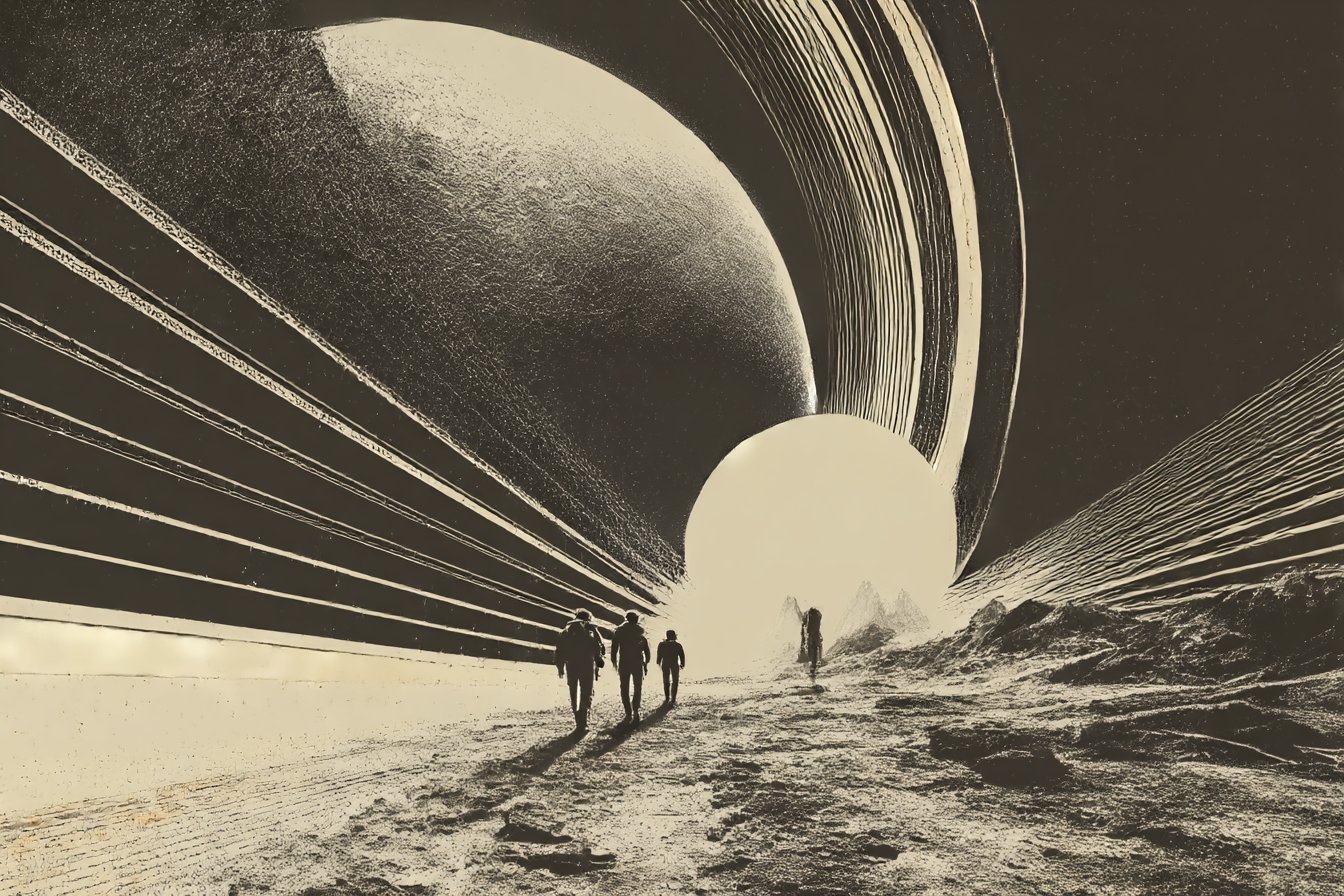
Sci-fi fandoms are notorious for their attention to detail, their elaborate theories, their passionate debates about canon and character development. Rewatching becomes a social activity — you're not just experiencing the story again, you're participating in an ongoing conversation about what it means, how it connects to other stories, what it says about our current moment.
My friend Sarah runs a *Doctor Who* discussion group that meets monthly to dissect episodes from different eras. They're not just watching for entertainment; they're analyzing themes, tracking character arcs, debating the show's political implications. It's like a book club, except the books are fifty-year-old stories about time travel and alien invasion.
Maybe that's the real answer. We don't just love sci-fi series — we love thinking about them, talking about them, living with them. They become part of our mental furniture, reference points for understanding both fictional and real-world problems. When someone mentions AI ethics or climate change or space exploration, we've got ready-made frameworks from dozens of shows to help us think through the implications.
These stories stick around because they're not just entertainment; they're thought experiments we can return to whenever we need to imagine how things might be different. And sometimes, honestly, that's exactly what we need.

0 Comments