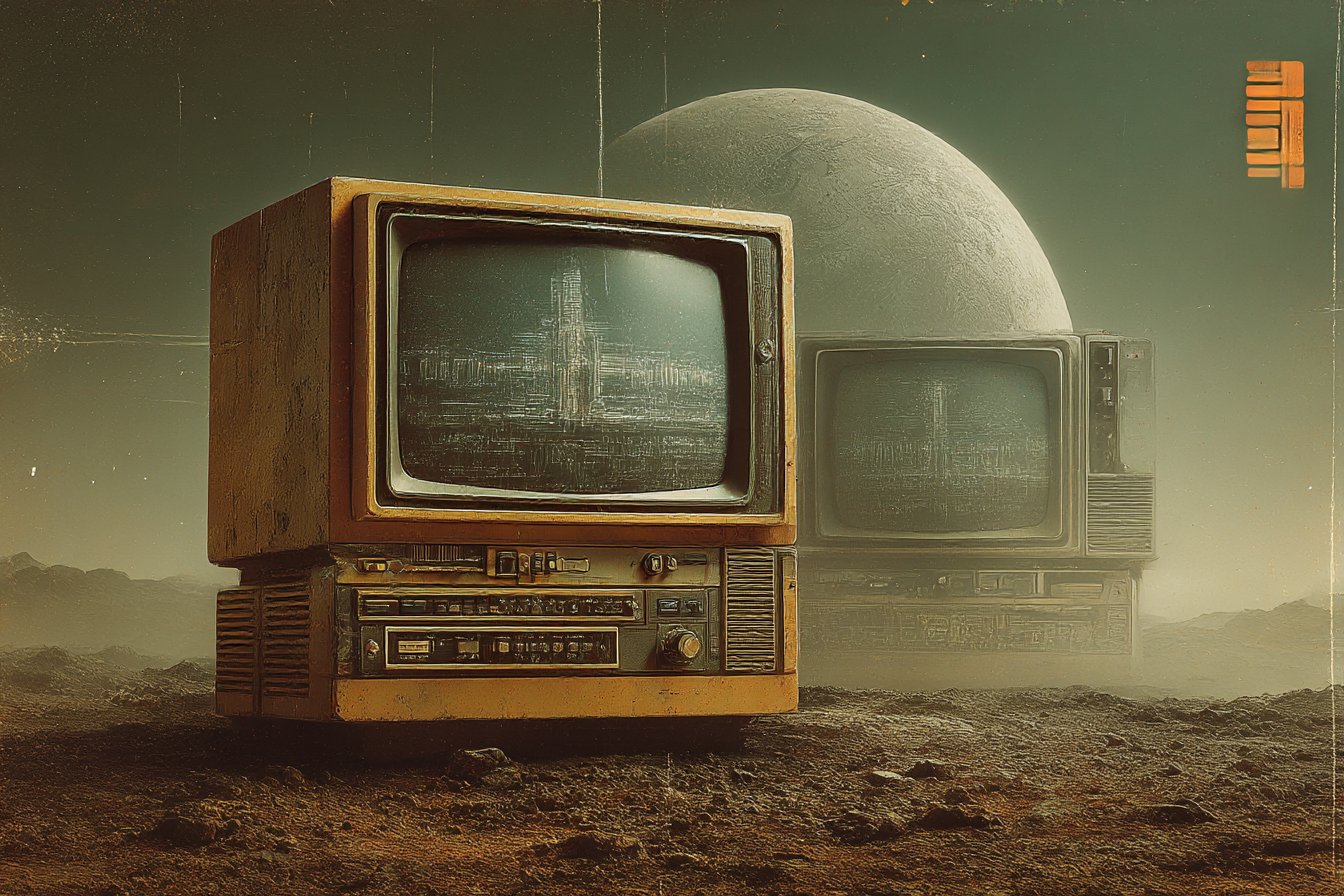

I was rifling through a box of old VHS tapes last month when I stumbled across something that stopped me cold: a battered recording of the original Battlestar Galactica miniseries from 2003. You know, back when the Sci Fi Network still spelled it that way, before the rebrand to Syfy that made everyone cringe. I'd taped it off the air, complete with those weird late-night commercials for psychic hotlines and miracle cleaning products.
Watching it again, I realised something I'd never quite articulated before. This wasn't just good television—it was television that fundamentally changed what audiences expected from science fiction on TV. And it wasn't alone.
The thing is, before networks like Sci Fi came along and started throwing real money at ambitious series, sci-fi television was mostly… well, let's be honest, it was mostly terrible. Sure, you had your Star Trek reruns and the occasional Doctor Who marathon, but original programming?
That was low-budget monsters, cardboard sets, and acting that made community theatre look Oscar-worthy.
I remember watching those old shows as a kid and feeling simultaneously thrilled and frustrated. Thrilled because, hey, spaceships and aliens! Frustrated because even my teenage brain could see the strings holding up the flying saucers. The stories had big ideas but zero budget to execute them properly.
Then something shifted in the late '90s and early 2000s. Networks started realising that sci-fi wasn't just for the basement-dwelling stereotype anymore. The X-Files had proven that weird could be mainstream. Special effects technology was getting cheaper and more accessible. And suddenly, shows were getting real budgets.

Battlestar Galactica was probably the biggest game-changer, but it wasn't the first. The Sci Fi Network had been quietly building toward this moment with series like Farscape, which threw audiences into this wonderfully bizarre universe where the aliens actually looked and acted alien. Not just humans with rubber foreheads, but genuinely strange creatures with their own logic and motivations. When I first saw Pilot—that massive, symbiotic navigator creature—I actually leaned forward in my chair. This was something I'd never seen before on television.
What made these shows different wasn't just better effects (though that helped). It was the willingness to treat audiences like adults who could handle complex, serialised storytelling. Before this era, most sci-fi TV was episodic by necessity. You couldn't assume viewers had seen previous episodes, so everything had to be explained and resolved within forty-three minutes. But these new shows? They built worlds that evolved over time.
I started paying attention to how this was changing viewer expectations around 2004, when I was working at that electronics shop I mentioned. Customers would come in looking for DVD box sets of these shows, and they'd talk about them differently than they talked about other series. They'd discuss character arcs that spanned entire seasons, reference callbacks to episodes from years earlier, debate the political implications of storylines.
It struck me that something fundamental had shifted. Audiences weren't just watching sci-fi anymore—they were inhabiting it.
You Might Also Like

The ripple effects were enormous. Other networks started taking notice. Even mainstream networks began experimenting with serialised sci-fi that treated viewers as intelligent participants rather than passive consumers. Lost, Heroes, Fringe—none of these shows might have existed without the groundwork laid by those earlier Sci Fi Network series.
But here's what really fascinates me about this shift: it wasn't just about production values or storytelling techniques. These shows changed what audiences expected from the genre's relationship with real-world issues. Earlier sci-fi television often used futuristic settings as thin allegories for contemporary problems. The new wave of shows embedded contemporary issues directly into their speculative worlds.
Battlestar Galactica didn't just reference post-9/11 anxieties about terrorism and security—it made them central to the story in ways that felt organic rather than preachy. The show asked uncomfortable questions about civil liberties during wartime, about what compromises are acceptable when survival is at stake, about how fear changes us. And audiences ate it up.
I think this happened because the medium had finally caught up with the ambitions of sci-fi literature. For decades, written science fiction had been exploring these deep philosophical and political questions, but television couldn't match that sophistication. The format constraints, budget limitations, and network interference all worked against complexity. But once those barriers started falling, TV could finally deliver the kind of thought-provoking speculation that readers had been enjoying for years.
The influence wasn't just upward to bigger networks, either. These shows created a template that streaming services would later perfect. The idea that audiences would commit to long-form, complex narratives in speculative genres? That came directly from this era. Without the Sci Fi Network's willingness to experiment with serialised storytelling, we might never have gotten Stranger Things or Black Mirror or The Expanse.
Even the way these shows handled science and technology set new standards. They hired actual scientists as consultants. They tried to ground their speculative elements in plausible physics and biology. When characters talked about faster-than-light travel or genetic engineering, the technobabble actually made sense if you knew enough to parse it.

This attention to scientific plausibility created a new kind of viewer engagement.
Fan communities started analysing the science behind the fiction, writing detailed breakdowns of how various technologies might actually work. I spent hours on forums discussing the implications of Farscape's wormhole physics or debating whether BSG's FTL jump drives were theoretically possible.
That level of engagement became the new baseline. Audiences now expect their sci-fi to be scientifically literate, emotionally sophisticated, and narratively complex. Shows that don't meet these standards feel dated before they even air.
Looking back, it's clear that this wasn't just a television evolution—it was a cultural shift. These networks didn't just change how sci-fi was made; they changed how audiences thought about the genre's possibilities. They proved that speculation about the future could be both entertaining and intellectually rigorous, both accessible and challenging.
That old VHS tape I found? It's a artifact from the moment everything changed. And honestly, I think we're still living in the world these shows created.

0 Comments