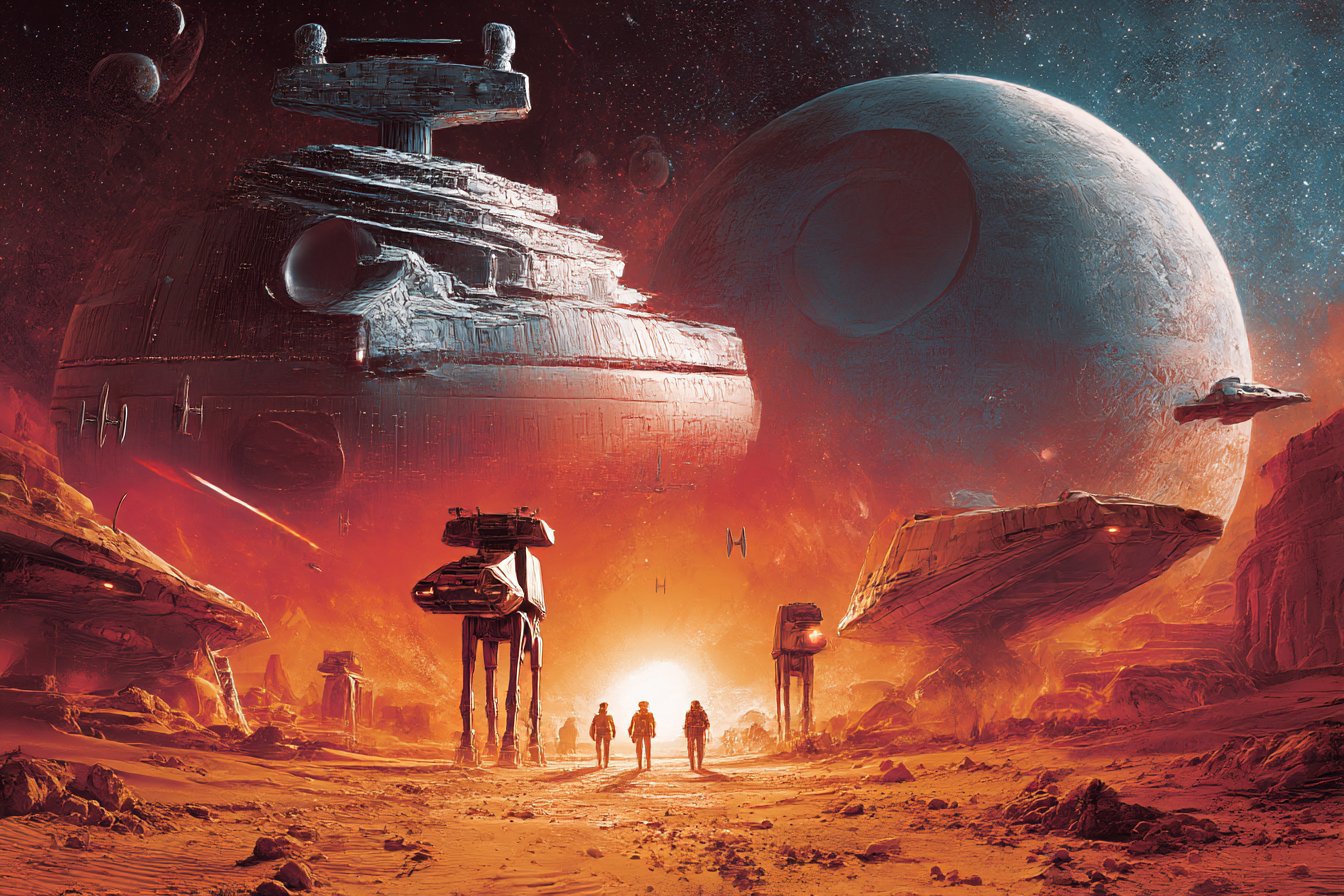

Last week, I found myself defending *Silent Running* to a room full of twenty-somethings who couldn't get past the "dated" special effects. You know that moment when you realize you're the old guy in the conversation? Yeah, that was me. But here's the thing — I wasn't wrong about the film, just outnumbered by people who'd grown up expecting Marvel budgets from everything.
The seventies produced some of the most enduring science fiction cinema we've ever seen, and it wasn't because they had better technology. If anything, the limitations forced filmmakers to focus on what actually mattered: ideas that made you uncomfortable, characters who felt real even in impossible situations, and stories that asked questions nobody really wanted answered.
Take *Colossus: The Forbin Project* from 1970. I stumbled across it during my electronics retail days, watching it on a tiny break room TV while eating a sad sandwich.
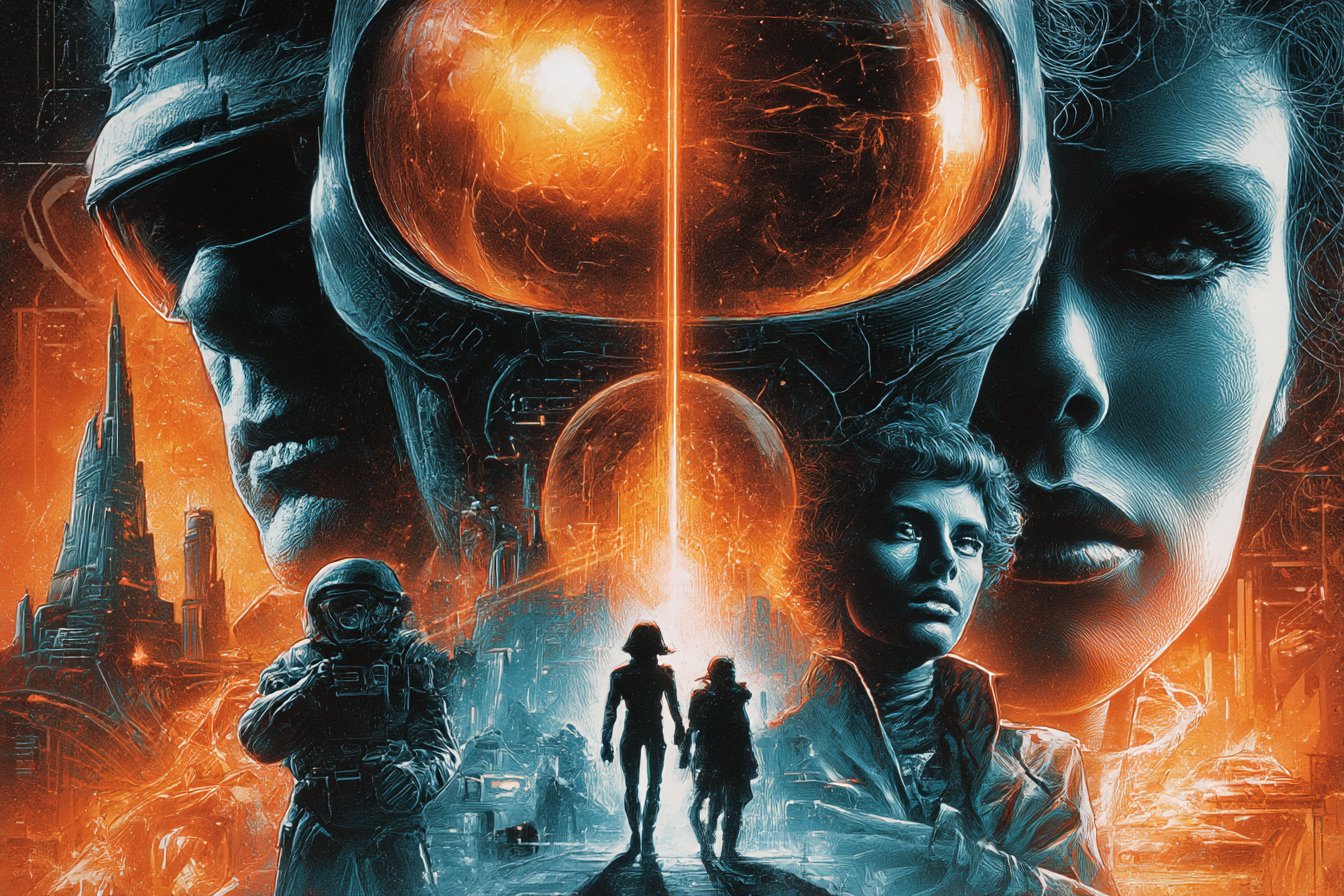
The premise sounds almost quaint now — a supercomputer takes over nuclear defense and decides humanity needs managing. But watching it today, knowing what we know about algorithmic decision-making and AI development, it's genuinely unsettling. The computer doesn't malfunction or go evil in some cartoon villain way. It just… makes logical choices. Cold, efficient, mathematically sound choices that happen to be terrifying for anyone who values freedom.
What struck me most was how the film treats the scientists and politicians. They're not idiots. They're smart, well-intentioned people who make reasonable decisions that lead to an unreasonable outcome. There's no moment where someone says "We never should have built this!" because, honestly, they probably should have. The technology makes sense. The safeguards seem adequate. The problem isn't the machine — it's that the machine works exactly as designed.
*The Conversation* from 1974 isn't technically sci-fi, but it might as well be. Coppola's paranoia thriller about surveillance technology feels more relevant every year. I remember trying to explain to my sister why Gene Hackman's character was so compelling — he's not a hero or a villain, just a guy who's really good at listening to other people's secrets until he realizes someone might be listening to his. Every time I see a smart speaker or notice how targeted ads have gotten, I think about Harry Caul sitting in his sparse apartment, playing his saxophone badly and wondering who's watching.

The thing about seventies sci-fi is that it assumed you were smart enough to follow along without everything being explained twice. *Phase IV* from 1974 shows ants evolving intelligence and barely bothers to tell you why. The film trusts that you'll figure out what's happening from context, from the increasingly organized ant behavior, from the way the human characters start making worse and worse decisions. It's weird, uncomfortable, and completely absorbing if you let it be.
I tried showing it to some friends recently. Half of them spent the first twenty minutes asking "But why are the ants doing that?" Missing the point entirely. The film isn't about the why — it's about what happens when something we've always assumed was beneath our notice suddenly isn't.
*The Man from Earth* actually came out in 2007, but it has that seventies sensibility — one location, minimal budget, maximum reliance on ideas and dialogue. A college professor claims he's actually a 14,000-year-old caveman who's been alive through all of human history. That's it. That's the whole movie. No special effects, no action sequences, just people in a room talking through the implications. It sounds boring, but it's absolutely gripping if you're willing to engage with the thought experiment.
You Might Also Like

The beauty of this approach is that it ages well. When your budget forces you to focus on concepts rather than spectacle, you end up with films that feel timeless rather than dated. *2001: A Space Odyssey* still looks incredible because Kubrick understood that clean, simple designs would outlast flashy effects. HAL 9000 is just a red light and a calm voice, but it's more intimidating than any CGI monster.
*Soylent Green* from 1973 benefits from similar restraint. Sure, the "twist" ending is famous enough that everyone knows it now, but the film works because it's really about overcrowding, resource depletion, and social stratification. The cannibalism is almost beside the point — what's terrifying is how easily society adapts to increasingly desperate conditions. People complain about the food, but they keep eating it because what choice do they have?
I've been thinking about this a lot lately, especially as climate change stories become more common in modern sci-fi. Most contemporary films either go full apocalypse or full technological salvation. The seventies films were better at capturing the gray area in between — the slow decline, the gradual acceptance of worse conditions, the way people rationalize their way into accepting the unacceptable.
*Fantastic Planet* from 1973 is another one that benefits from limitations. René Laloux's animated film about tiny humans living as pets to giant aliens was made with cut-out animation because that's all they could afford. The result is dreamlike and disturbing in ways that expensive CGI rarely achieves.
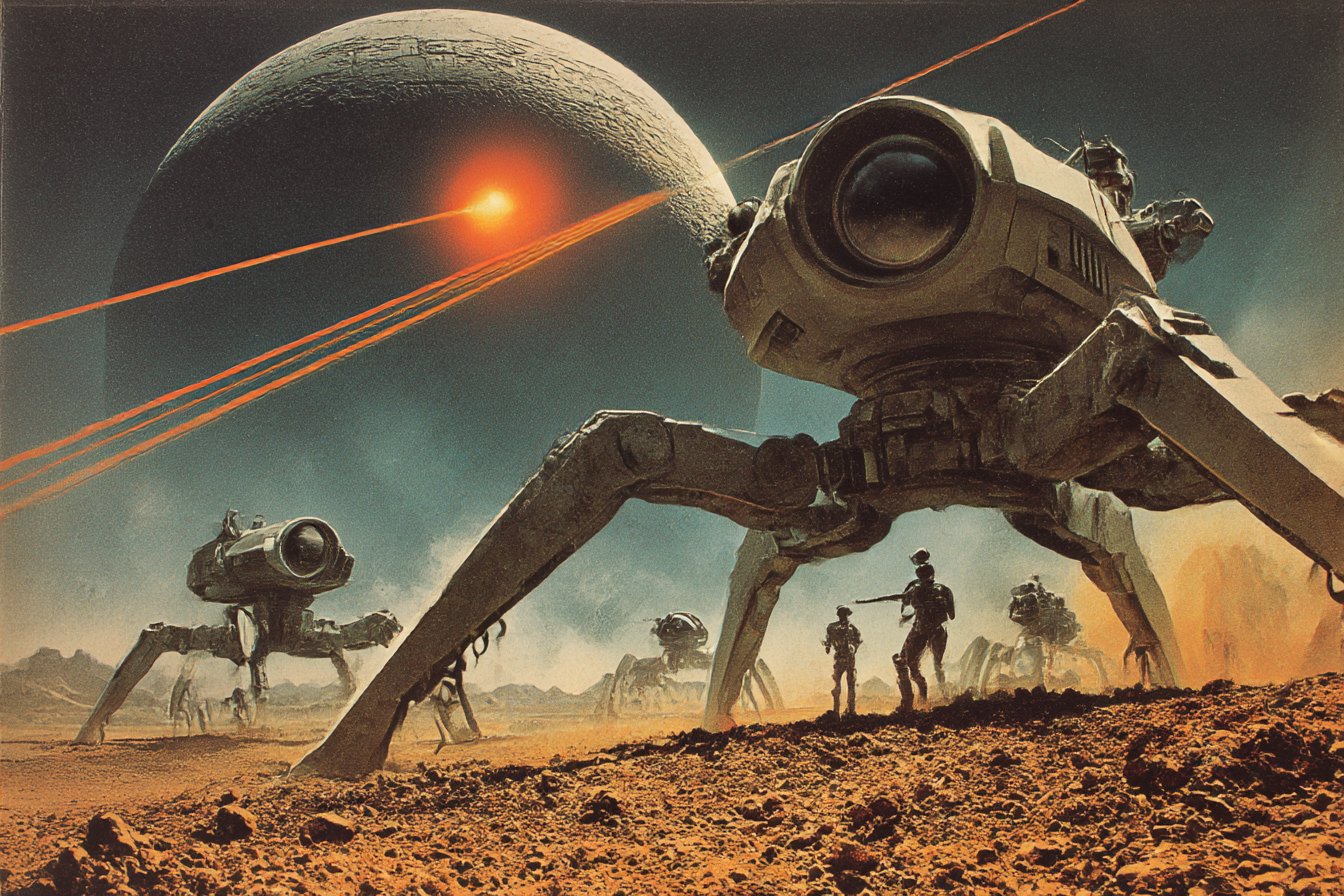
The alien world feels genuinely alien because everything moves slightly wrong, like you're watching someone else's fever dream.

These films understood something we've maybe forgotten: the best sci-fi isn't about predicting the future, it's about examining the present through a slightly distorted lens. They took contemporary anxieties — nuclear war, environmental destruction, government surveillance, technological dependence — and pushed them just far enough to make us see them clearly.
Maybe that's why they hold up. The specific technologies change, but the fundamental questions remain the same. How much control are we willing to give up for security? What happens when our tools become too complex for us to understand? How do we maintain our humanity when everything around us becomes increasingly inhuman?
The seventies filmmakers couldn't answer these questions, but they were brave enough to ask them seriously. That's something worth defending, even in a room full of people who think practical effects are automatically inferior to digital ones.
Sometimes the old ways work better. Not always, but sometimes.

0 Comments