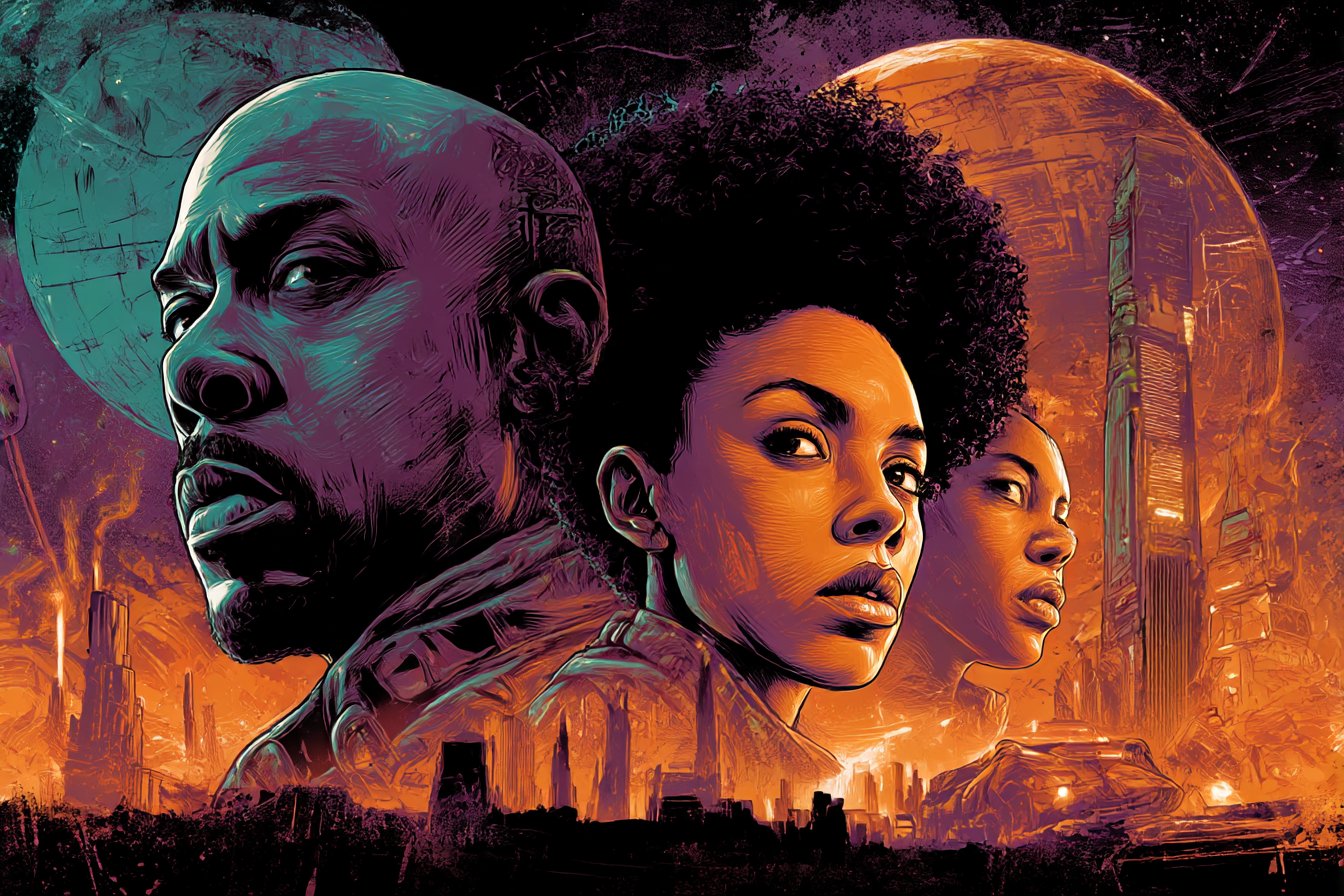

I was reorganizing my bookshelf last week—you know, that annual ritual where you pretend you’ll actually create some logical system this time—when I pulled out a battered copy of Octavia Butler’s “Parable of the Sower.” The pages were dog-eared from multiple readings, margins filled with my scribbled thoughts from different years. That’s when it hit me: the most powerful sci-fi I’d encountered wasn’t coming from the usual suspects anymore.
Don’t get me wrong, I grew up worshipping Asimov and Clarke like everyone else. But something shifted in recent years. Maybe it was reading N.K. Jemisin’s “Broken Earth” trilogy and realizing I’d never encountered worldbuilding quite like that—geology as both science and metaphor, oppression baked into the planet’s very structure.
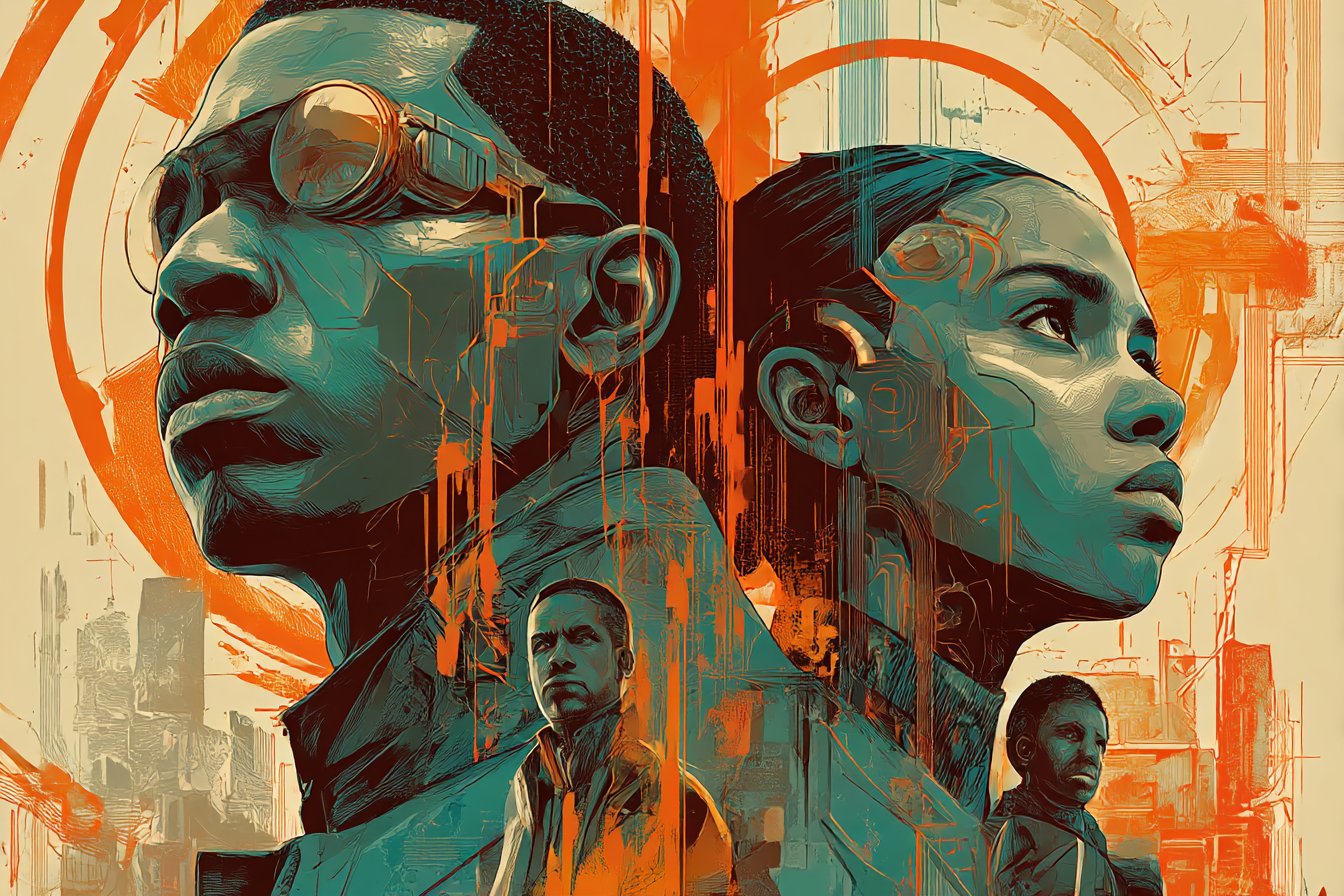
The technical aspects were solid (I actually looked up some of the seismic science she referenced), but it was the emotional core that left me staring at the ceiling at 2 AM, thinking about power and survival.
The thing is, Black science fiction writers aren’t just adding diversity to existing templates. They’re fundamentally reimagining what the genre can be. Take Nnedi Okorafor—her “Binti” series completely upended my assumptions about first contact stories. Instead of the usual human-meets-alien diplomatic dance, she created something that felt genuinely alien while staying grounded in recognizable cultural details. I remember trying to explain the plot to my sister and realizing I couldn’t do it justice without talking about hair, mathematics, and family honor all at once.
What strikes me most about these writers is how they handle technology. There’s this recurring theme I keep noticing—technology as extension of community rather than individual power fantasy. In Colson Whitehead’s “The Intuitionist,” elevator inspection becomes a meditation on institutional racism and hidden knowledge systems. Sounds bizarre when I put it like that, but somehow it works. The mundane technology we take for granted suddenly becomes this lens for examining how power really operates.
I’ve been following Adrian Tchaikovsky’s work for years (okay, he’s not Black, but bear with me—this connects), and when I compare his approach to someone like Rivers Solomon, the difference is striking. Solomon’s “An Unkindness of Magicians” takes the urban fantasy/sci-fi boundary and just… dissolves it. Magic becomes technology becomes social structure. I spent hours after finishing that book trying to figure out where one ended and the other began. Couldn’t do it.
But here’s what really gets me: these aren’t just better stories (though they often are). They’re asking completely different questions. Traditional sci-fi often asks “what if we had this cool technology?” Black sci-fi writers more often ask “who gets to use it, and what happens to everyone else?” That shift in focus changes everything. Suddenly you’re not just considering the engineering possibilities—you’re thinking about access, about consequences, about who benefits and who pays the cost.
You Might Also Like

I tried an experiment last month. Read three first-contact stories back-to-back: one classic Golden Age tale, one contemporary mainstream sci-fi, and one by a Black author (Martha Wells’ “All Systems Red”). Same basic premise, wildly different concerns. The classic was all about human ingenuity triumphing over alien mystery. The contemporary one focused on communication challenges and diplomatic complexity. Wells’ story? It was about anxiety, autonomy, and what it means to be considered property. Her security android protagonist deals with social situations the way I handle networking events—badly, with lots of internal commentary and a desperate wish to be watching TV instead.
That relatability factor keeps catching me off guard. I was reading Nalo Hopkinson’s work recently, and there’s this way she handles Caribbean folklore mixed with hard sci-fi concepts that shouldn’t work but absolutely does. She’ll describe some impossible biotechnology in the same breath as someone’s grandmother’s home remedies, and somehow both feel equally plausible. It’s like she’s operating from a completely different assumption about what constitutes knowledge worth preserving.
The impact goes beyond just better books, though. I’ve started noticing how these writers influence the questions other authors ask. Climate fiction—which barely existed twenty years ago—owes a massive debt to Butler’s work. The whole “generation ship as examination of social hierarchy” thing that’s everywhere now? That’s partly Jemisin’s influence spreading outward. Even the recent wave of AI consciousness stories feels different now, more concerned with identity and belonging than pure computational power.
I keep thinking about a conversation I had at a small sci-fi convention last year. This older fan was complaining that “modern sci-fi is too political,” and honestly? I get why he might feel that way if you grew up with stories that treated the default human as universal. But politics was always there—it was just the kind that felt invisible if you happened to match the protagonist template.
What’s happening now isn’t politics getting added to sci-fi. It’s politics that were always present finally becoming visible to readers who hadn’t seen them before. When Tananarive Due writes about immortality, she’s not just exploring the technical implications of living forever—she’s asking what it would mean for people whose ancestors were denied even basic human dignity. That’s not “adding politics.” That’s just… complete worldbuilding.
The technical aspects haven’t suffered either, by the way. If anything, I’m seeing more rigorous attention to scientific detail. Maybe because these authors know they’re being watched more carefully, or maybe because they’re approaching familiar concepts from fresh angles that demand more careful construction. Either way, the science is solid.
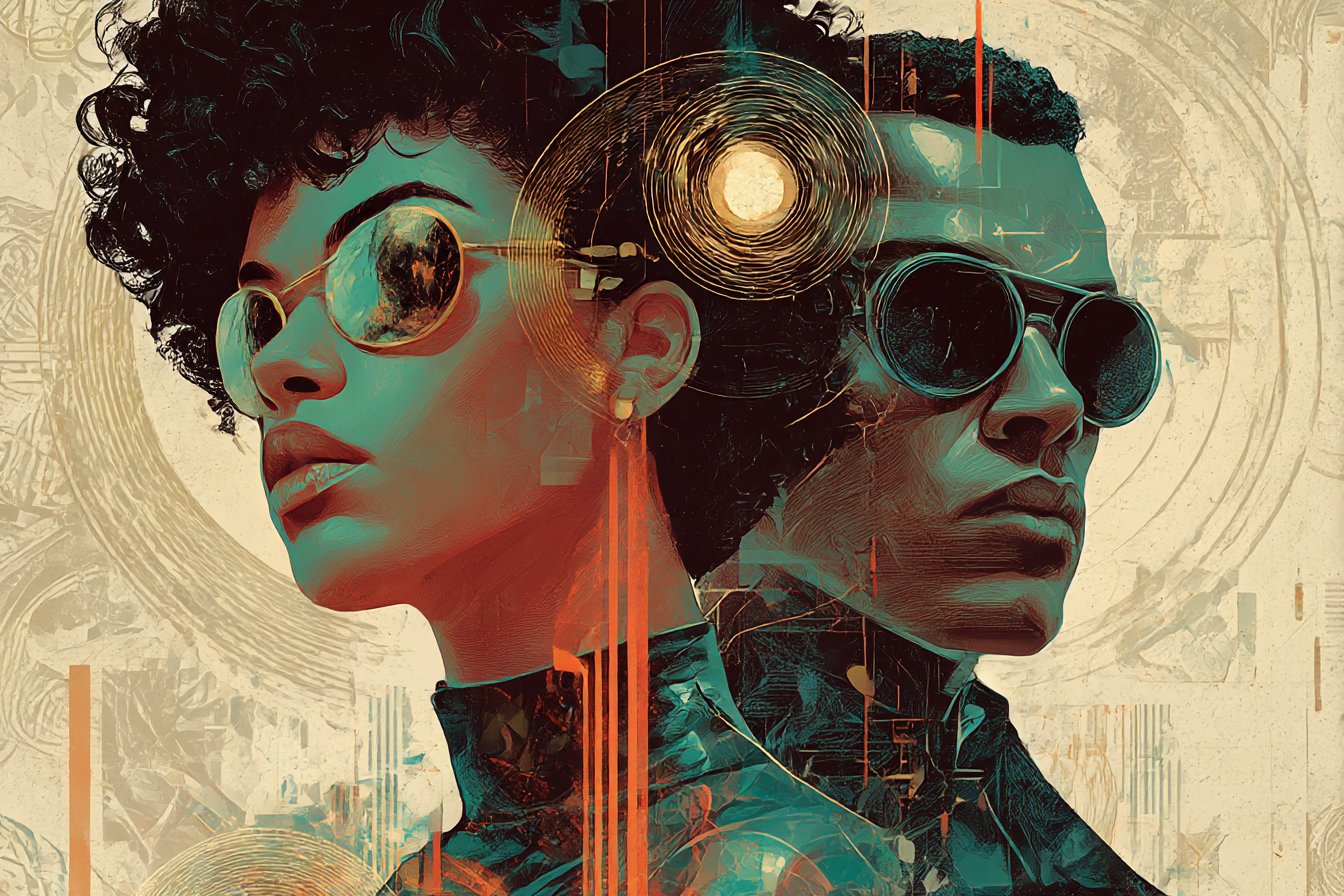
What excites me most is watching younger writers build on this foundation. They’re not just following the paths these pioneers carved—they’re finding new territories entirely. The genre is becoming something richer, stranger, more honest about both human potential and human failure. That’s not political correctness run amok. That’s just better science fiction.
And honestly? The books are more fun to read. Hard to argue with that.

0 Comments