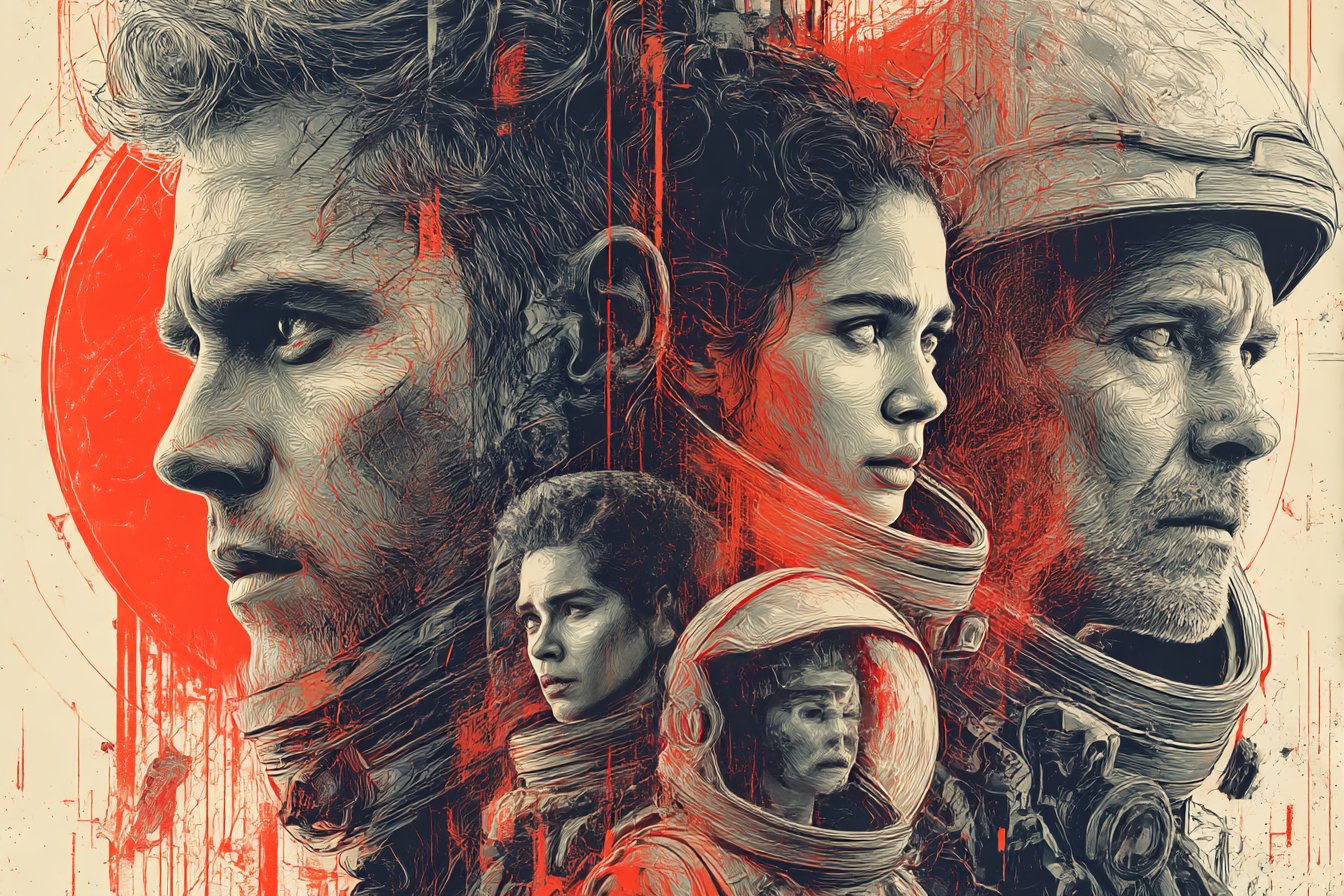

I was halfway through building a scale model of a fusion drive when *The Expanse* first crossed my radar. My sister had mentioned it offhandedly — “there’s this space show that doesn’t have aliens or weird time travel stuff” — which honestly wasn’t the most compelling pitch. I’d grown tired of sci-fi that either went full fantasy with technobabble or got so obsessed with hard science that characters became walking textbooks. But something about her description stuck with me.
Three episodes in, I abandoned my model completely. Not because the show was bad, but because it was doing something I’d rarely seen in space opera: making the future feel like a logical extension of right now, complete with all the messy politics, class struggles, and human failings that would inevitably follow us to the stars.
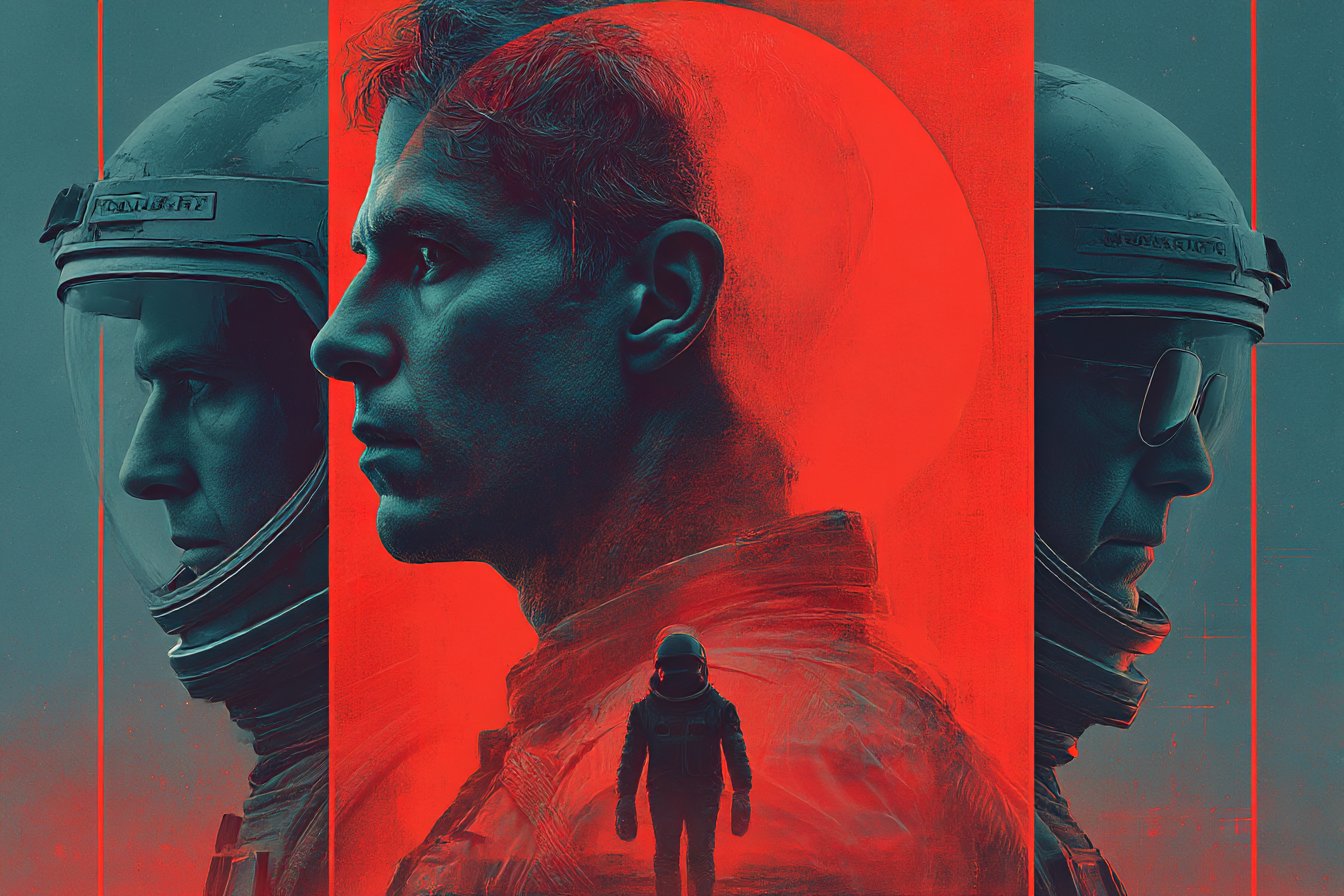
See, most space operas — even the good ones — treat space colonization like moving to a slightly inconvenient suburb. Sure, there might be different gravity or funky lighting, but people adapt seamlessly, governments work efficiently, and everyone speaks the same language (literally and figuratively). *The Expanse* said “nah, that’s not how humans work” and built something far more believable.
Take the Belters. I’d never seen a sci-fi show spend so much time thinking about what three hundred years of low gravity would actually do to human bodies. These aren’t just “space people” — they’re physiologically different, culturally distinct, and economically exploited in ways that feel uncomfortably familiar. When I watched Belters struggle in Earth gravity, I thought about my brief stint in electronics retail, dealing with customers who’d never left their hometown but somehow knew exactly how the global supply chain should work.
The show’s attention to physics impressed me, sure. Ships flip and burn instead of swooshing through space like atmospheric aircraft. Acceleration creates gravity. Water behaves like water, not like mysterious glowing energy. But what really got me was how they used realistic physics to create drama. That scene where Holden’s crew is pulling multiple Gs during combat? You can see the physical toll on their faces, the way it limits their movements. It’s not just accurate — it’s storytelling.
Then there’s the politics, which somehow manages to be both futuristic and depressingly contemporary. Earth’s a dying planet propped up by basic income and nostalgia. Mars is a military-industrial complex with delusions of terraforming grandeur. The Belt gets exploited for resources while being told they should be grateful for the opportunity. Sound familiar?
I remember pausing an episode to grab a cup of tea and realizing I’d been unconsciously holding my breath during a tense negotiation scene. Not because ships were exploding (though they do that brilliantly too), but because the political maneuvering felt so real. These weren’t noble space diplomats making speeches about unity — these were tired, flawed people trying to prevent wars while managing their own ambitions and prejudices.
You Might Also Like

The moral complexity is what kept me coming back, though. James Holden starts as your typical idealistic protagonist, the guy who wants to do the right thing and tell the truth. But the show keeps asking: what happens when the truth makes things worse? When doing the right thing gets people killed? When your noble intentions enable terrible consequences? Holden’s idealism doesn’t get rewarded with clear victories — it gets tested, complicated, sometimes proven wrong.
Chrisjen Avasarala became my favorite character precisely because she embodies this moral ambiguity. She’s crude, manipulative, and absolutely ruthless in pursuit of peace. She’ll sacrifice individuals to save millions, lie to allies to prevent wars, and use every dirty trick in the political playbook. But she’s also one of the most ethical characters in the show because she understands the weight of her choices. She knows she’s damned if she acts and damned if she doesn’t — so she acts anyway and bears the cost.
The scale of *The Expanse* impressed me too, but not in the usual “look at our massive space battles” way. The solar system feels genuinely vast. Travel takes months. Communication delays matter. When something happens on Ganymede, Earth doesn’t know about it for hours. This isn’t just realistic — it creates dramatic tension. Characters have to make decisions with incomplete information, live with consequences they can’t immediately fix, and deal with the isolation that comes with being truly far from home.
But maybe what makes the show special is how it handles the weight of choices. Every major decision — from individual character moments to system-wide political moves — has consequences that ripple forward through multiple seasons. People die because of mistakes made episodes earlier. Alliances form and break based on past betrayals. Trust, once broken, stays broken until someone does the hard work of rebuilding it.
I’ve watched friends get frustrated with *The Expanse* because it doesn’t offer easy answers or clear heroes. The good guys make terrible mistakes. The bad guys have understandable motivations. Problems don’t get solved with clever speeches or surprise revelations — they get managed, temporarily contained, or occasionally made worse by well-intentioned interference.
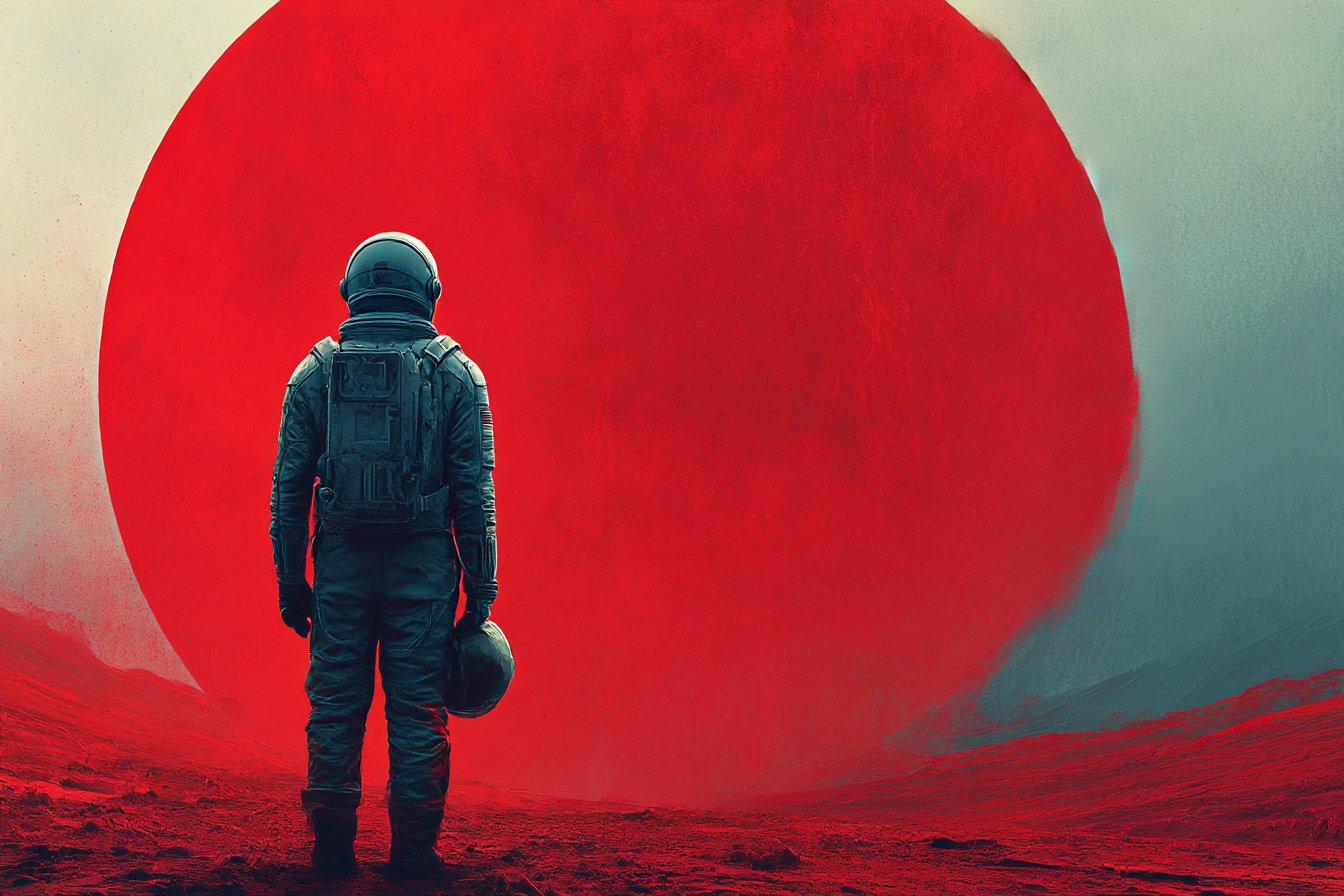
That’s exactly why it works, though. Space opera too often presents us with cosmic-scale problems that get resolved through individual heroics or technological solutions. *The Expanse* suggests that our biggest challenges — inequality, environmental destruction, tribalism, the tension between security and freedom — won’t magically disappear when we reach the stars. They’ll just play out on a larger stage.
The show treats its audience like adults capable of handling complexity. It doesn’t need mystical forces or advanced aliens to create wonder — it finds it in the reality of human beings trying to build something better while carrying all their flaws and limitations with them. That’s harder to write than mystical space magic, but it’s also more honest about who we are and who we might become.
Which is why, three years later, I still haven’t finished that fusion drive model. Some stories are worth setting aside your projects for.

0 Comments