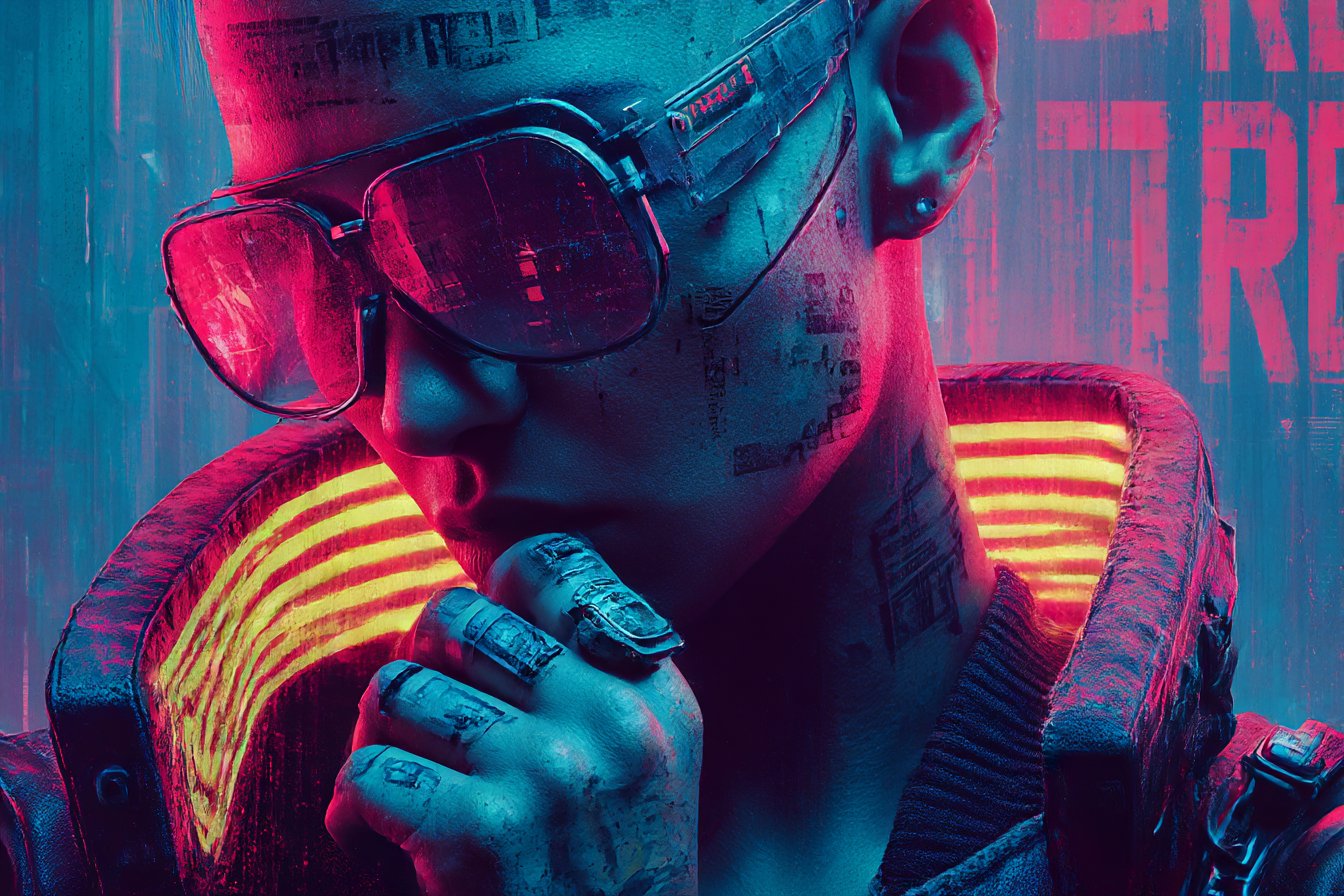

The amber glow of my old CRT monitor still haunts me sometimes. I’m talking about those late nights in 2001, hunched over my desk trying to recreate the look of *Blade Runner* in a primitive 3D modeling program that kept crashing every fifteen minutes. My sister would poke her head in around midnight, see me adjusting virtual neon signs for the hundredth time, and ask what I was even doing. “Making the future,” I’d say, which probably sounded ridiculous coming from someone whose biggest technical achievement that week was getting the family printer to work.
But here’s the thing about cyberpunk — it never really goes away, does it? Every few years, someone declares it dead, outdated, too tied to the anxieties of the 1980s.
Then something like *Cyberpunk 2077* drops (bugs and all), or we get a new season of cyberpunk anime, and suddenly everyone’s talking about chrome limbs and corporate dystopias again. The aesthetic keeps coming back because it captures something we can’t quite shake: this feeling that technology isn’t just changing how we live, but who we are.
I’ve been thinking about this lately because my neighbor’s kid showed me his gaming setup — three monitors, LED strips everywhere, cables snaking across the floor like digital ivy. It looked exactly like something I would’ve sketched in that worn notebook twenty years ago, except it’s just… Tuesday night homework now. We’re living in a cyberpunk world, just not the dramatic one we imagined. No flying cars, sure, but we’ve got people replacing their eyes with implants, algorithms deciding who gets loans, and corporations tracking our every click. The rebellion just looks different than we expected.
The visual language of cyberpunk works because it makes technology feel both seductive and threatening. Those rain-slicked streets reflecting neon aren’t just pretty — they’re telling us something about how progress feels. Clean and dirty at the same time. Beautiful and dangerous. I spent months trying to nail that look in my amateur film projects, learning that it’s all about contrast. You need the bright against the dark, the organic against the synthetic. A chrome arm holding a cigarette. A hologram flickering in a trash-filled alley.
What struck me during my electronics retail days was how customers talked about their devices. They didn’t just want functionality — they wanted their phone or laptop to feel like it came from the future. Sleek black surfaces, glowing logos, interfaces that responded to touch with little sound effects. Everyone wanted to feel like they were living in a sci-fi movie, even if they were just checking email. The cyberpunk aesthetic gave us a template for what “futuristic” should look like, and we’ve been chasing it ever since.
But the visuals are just the surface layer. What really makes cyberpunk stick around is how it handles identity. In these stories, characters are constantly asking: if I replace my arm with a mechanical one, am I still human? If my memories can be edited, who am I really? If a corporation owns my DNA, do I own myself? These aren’t abstract philosophical questions anymore — they’re things people actually worry about as we develop brain-computer interfaces, gene editing, and AI that can fake our voices.
You Might Also Like

I remember reading *Neuromancer* for the first time and being completely lost for the first fifty pages. Gibson throws you into this world where people jack into cyberspace and corporate hackers ghost through data streams, and he doesn’t stop to explain any of it. You either keep up or get left behind. But once it clicked, I realized he wasn’t just describing cool technology — he was showing us characters struggling with what it means to be human when everything about you can be modified, copied, or deleted.
That tension between human and artificial is everywhere now. My phone knows my sleep patterns better than I do. Social media algorithms predict what I want to see before I know I want to see it. We carry devices that could track our every movement, and we mostly don’t mind because they also tell us where the nearest coffee shop is. It’s the cyberpunk bargain: convenience and connection in exchange for privacy and autonomy. Except we’re making these trades incrementally, without dramatic corporate overlords or leather-clad rebels to make it feel important.
The rebellion aspect of cyberpunk resonates because it acknowledges that not everyone wins when technology advances. The protagonists are usually outcasts — hackers, mercenaries, people living on the margins of a society that’s left them behind. They’re fighting systems too big and complex for any individual to understand, let alone defeat. Sound familiar? Every time someone gets banned from a platform for unclear reasons, or discovers their data was sold without their knowledge, or realizes they can’t afford the latest medical treatment that could save their life, we’re living a smaller version of those cyberpunk stories.
But here’s what I find most interesting about why the aesthetic persists: it’s not actually about technology at all. It’s about what we do when we can’t trust the systems that run our world. The neon and chrome and rain-soaked streets are just the backdrop. The real story is always about people trying to maintain their humanity in circumstances designed to strip it away. Whether that’s a mega-corporation harvesting your organs or an algorithm deciding you don’t qualify for healthcare, the emotional core remains the same.
I’ve started noticing cyberpunk elements creeping into everything now. Video games that aren’t explicitly cyberpunk still use that visual language — the blue glow of interfaces, the way screens flicker and glitch, the industrial textures mixed with high-tech surfaces.
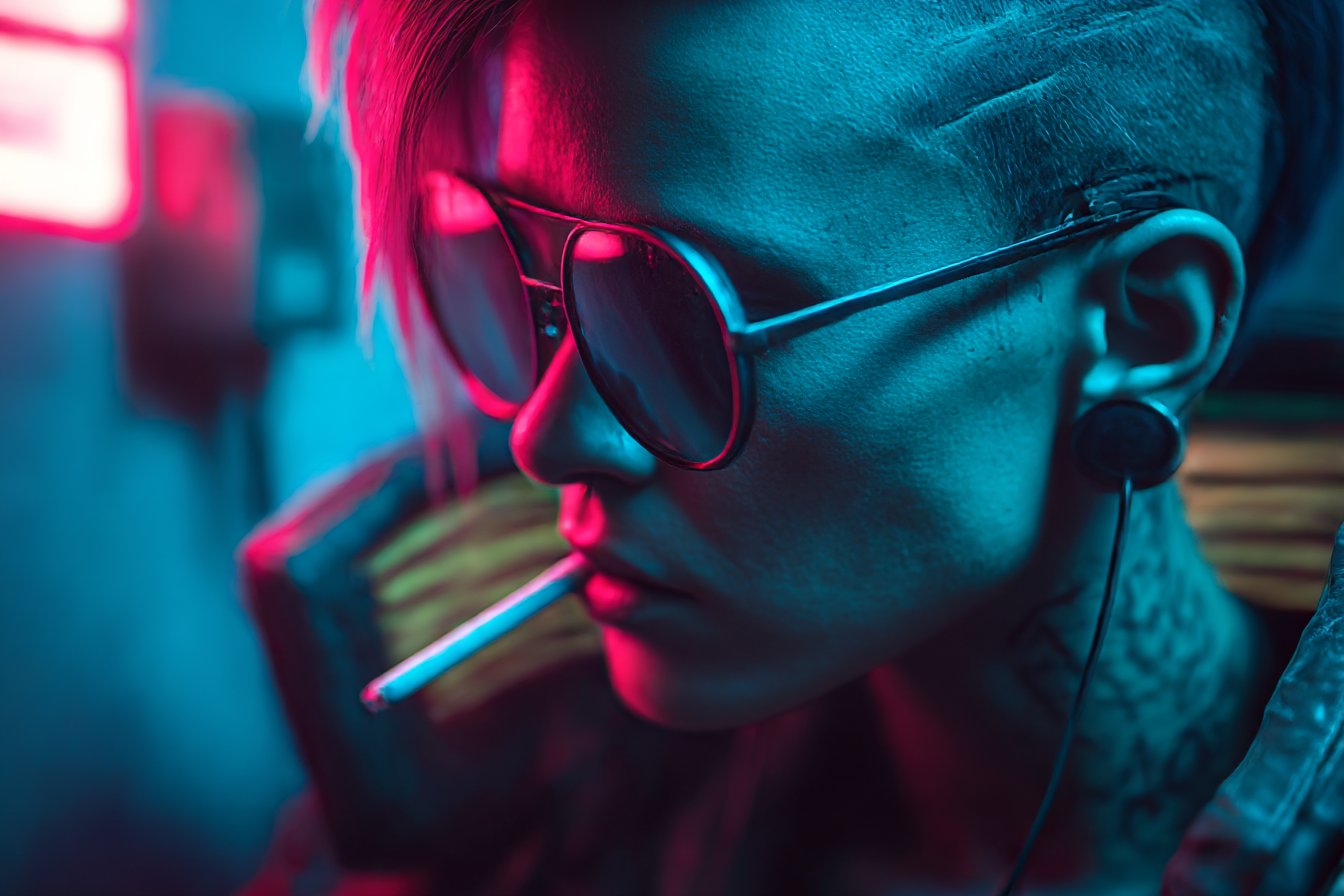
Fashion designers keep returning to that utilitarian-meets-futuristic look. Even architecture is borrowing from it, with buildings that seem to grow out of the ground like technological organisms.
Maybe cyberpunk never went away because we never solved the problems it was warning us about. We just got used to living with them. The aesthetic keeps captivating us because it makes those problems visible, gives them shape and color and texture. It transforms our anxieties about technology into something we can see and, maybe, fight against.
Every time I see someone scrolling through their phone with that particular hunched-over posture, backlit by the screen’s glow, I think: there’s your cyberpunk protagonist right there. No leather jacket required.

0 Comments