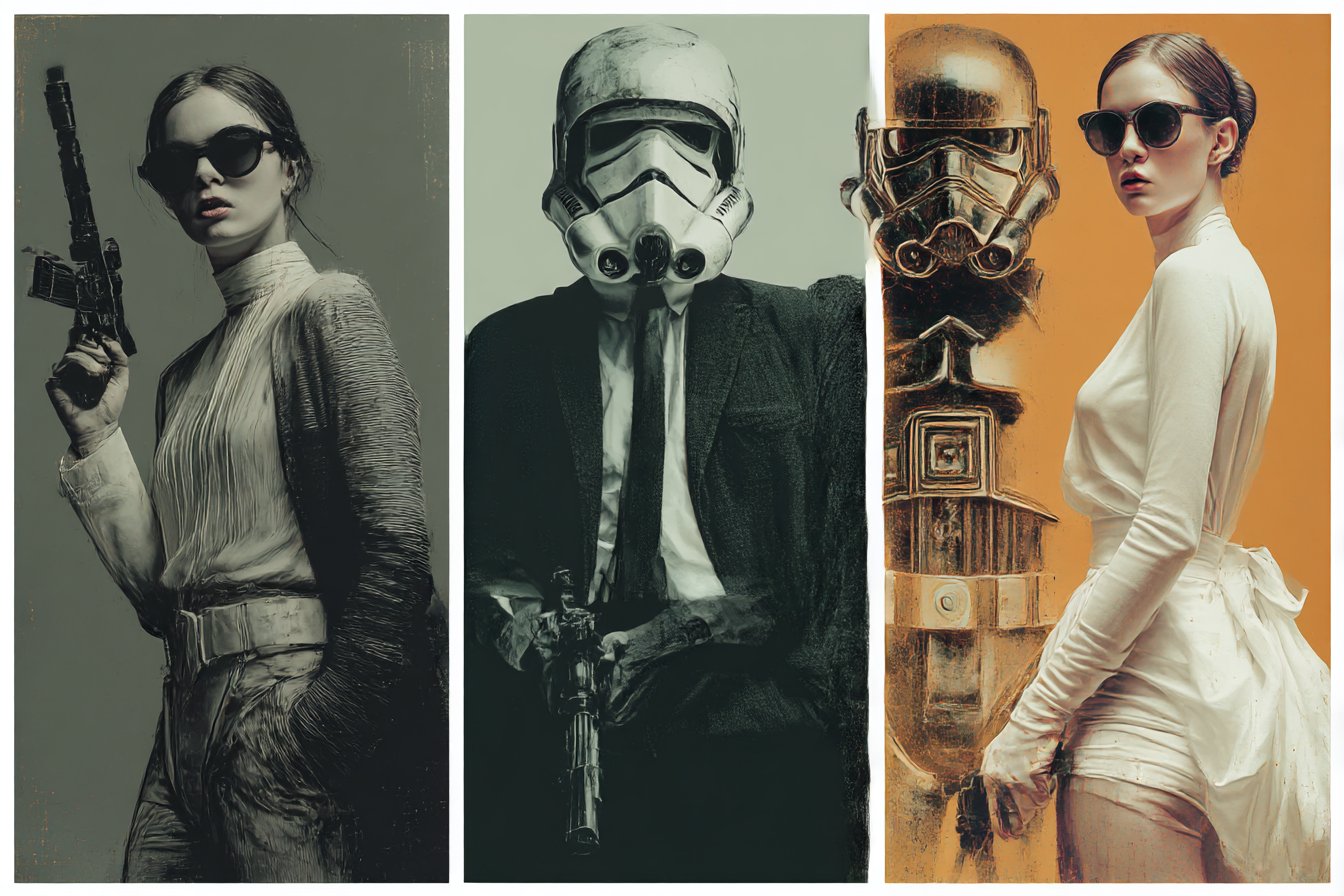

Last week, I spent three hours trying to replicate the shoulder detailing from Ridley Scott’s *Blade Runner* on a jacket I picked up from a charity shop in Bracknell. Complete disaster, obviously. The fabric paint cracked, my straight lines went wonky, and I ended up looking less like a replicant and more like someone who’d had an unfortunate encounter with a craft store explosion. But it got me thinking about something I’d never really considered before: how much work goes into making us believe that Harrison Ford belongs in 2019 Los Angeles, or that Sigourney Weaver could actually survive in the bowels of the Nostromo.
Costume design in sci-fi isn’t just about making things look “futuristic” — though that’s obviously part of it. It’s about building trust between the audience and an impossible world.
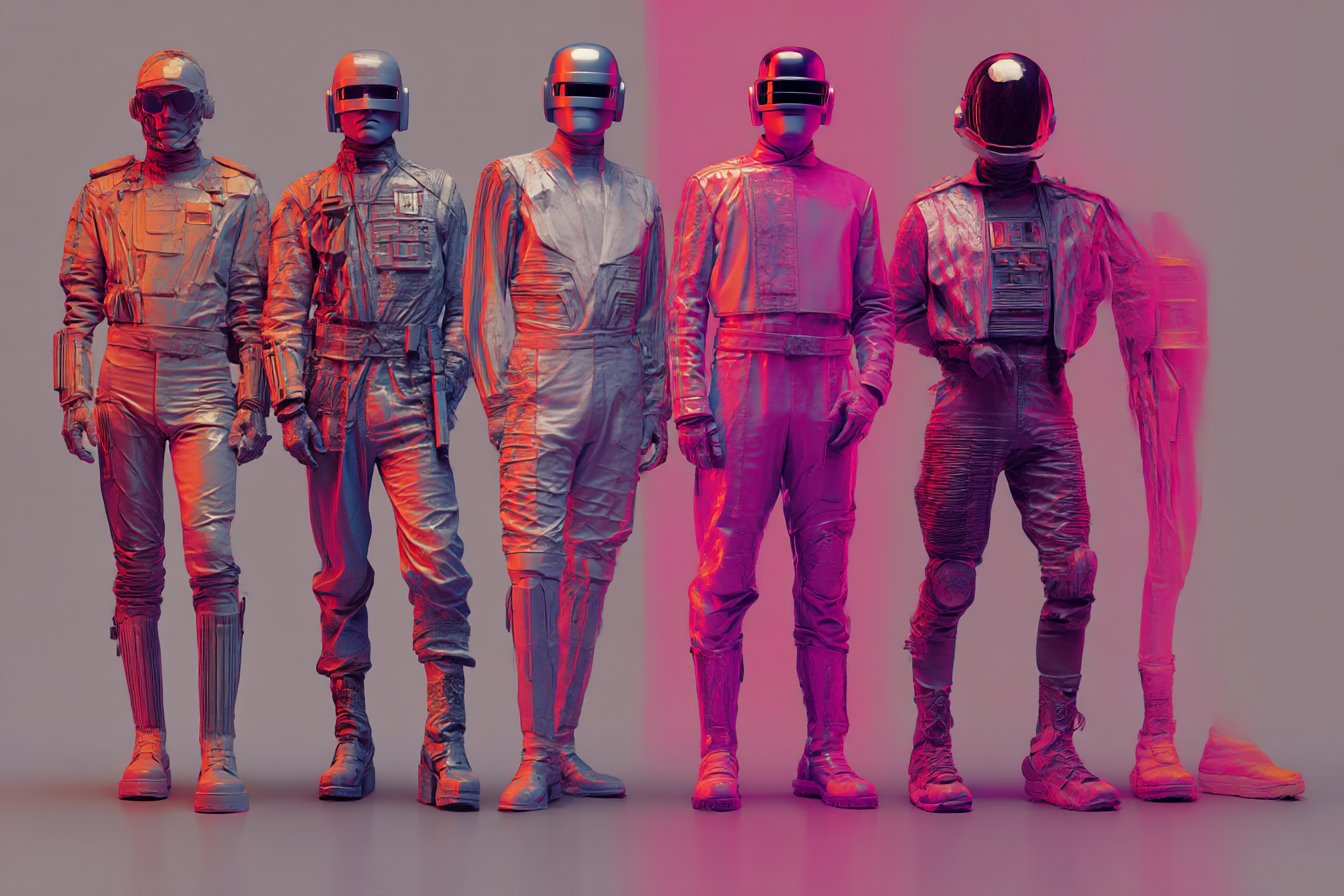
When Ellen Ripley strips down to her underwear in *Alien*, she’s not just revealing vulnerability; she’s showing us that even in space, people still wear normal undergarments. That tiny detail makes everything else — the bio-mechanical horror, the corporate conspiracy, the AI gone rogue — feel more plausible because the human element remains recognisably human.
I’ve been rewatching classic sci-fi lately, paying attention to the clothes rather than the explosions for once. What strikes me is how the best costume designers seem to understand that the future isn’t a clean break from the past — it’s an evolution. Look at the original *Star Wars* trilogy. Luke’s farmboy outfit in *A New Hope* is basically jeans and a tunic, but cut slightly differently, made from fabrics that catch light in an unfamiliar way. It says “this is somewhere else” without screaming “THIS IS THE FUTURE” in block capitals.
The genius of that approach became clear to me when I was working on that indie game project a few years back. We spent weeks arguing about what maintenance crew coveralls would look like on a derelict space station. Someone suggested making them completely skin-tight and metallic — very sci-fi, right? But when we actually tried to imagine someone crawling through ventilation shafts in that getup, it fell apart immediately. Pockets matter. Reinforced knees matter. The ability to wipe your hands on something matters.
That’s when I started noticing how smart costume designers layer their world-building. Take *The Matrix*. Inside the simulation, everyone wears late-90s office wear — familiar, boring, safe. But in the real world, the rebels dress in a mishmash of military surplus, leather, and handmade items. That contrast isn’t just aesthetic; it’s storytelling. The clothes tell you which world you’re in before anyone speaks.
Sometimes the most effective sci-fi costumes are the ones that barely register as costumes at all. The tracksuits in *Gattaca* look like expensive athleisure wear — which they basically are. But that choice supports the film’s central thesis about a society obsessed with genetic perfection. Of course everyone would dress in sleek, body-conscious clothing when your DNA determines your worth. The costumes don’t explain the premise; they embody it.
You Might Also Like

On the flip side, you’ve got films like *The Fifth Element*, where the costume design is deliberately, gloriously over-the-top. Gaultier’s creations are pure spectacle — the kind of thing that makes you go “nobody would actually wear that” and then immediately want to try it on anyway. But it works because the film’s entire aesthetic is heightened reality. Everything is cranked up to eleven, so the clothes can be, too.
I tried making a version of Leeloo’s thermal bandage outfit once. Don’t ask. Let’s just say that some costume choices work better on screen than in a draughty flat in Berkshire.
The practical challenges of sci-fi costume design fascinate me almost as much as the creative ones. How do you make something look alien without making the actor unable to move? How do you suggest advanced technology without actual advanced technology? I’ve watched behind-the-scenes footage of costume fittings, and honestly, half the time the actors look like they’re wearing very expensive Halloween costumes. The magic happens in the lighting, the framing, the context.
*Dune* — both the Lynch version and the recent Villeneuve adaptation — demonstrates this perfectly. The stillsuits are supposed to be these incredible pieces of technology that recycle every drop of bodily moisture. In reality, they’re rubber and fabric that probably smell terrible after a day of filming in the desert. But the way the actors move in them, the way other characters reference them, the little details like the nose plugs — it all sells the illusion.
What really gets me excited is when costume design becomes part of the story itself. In *Minority Report*, the fabric of Tom Cruise’s shirt changes pattern based on his biometric data. It’s a tiny detail, barely noticeable, but it suggests a world where clothing is interactive, responsive, alive in a way that our current clothes aren’t. That’s the kind of forward-thinking design that makes me want to figure out if we could actually build something like that today. (Spoiler: we probably could, with enough LEDs and microprocessors, but it’d be expensive and impractical.)
The costumes that stick with me are the ones that feel lived-in. The worn edges on Mal Reynolds’ coat in *Firefly*. The scuffed boots and patched clothing throughout *The Road*. The way the Stormtrooper armour in *Star Wars* shows scratches and blast marks. These details matter because they suggest history, use, authenticity.
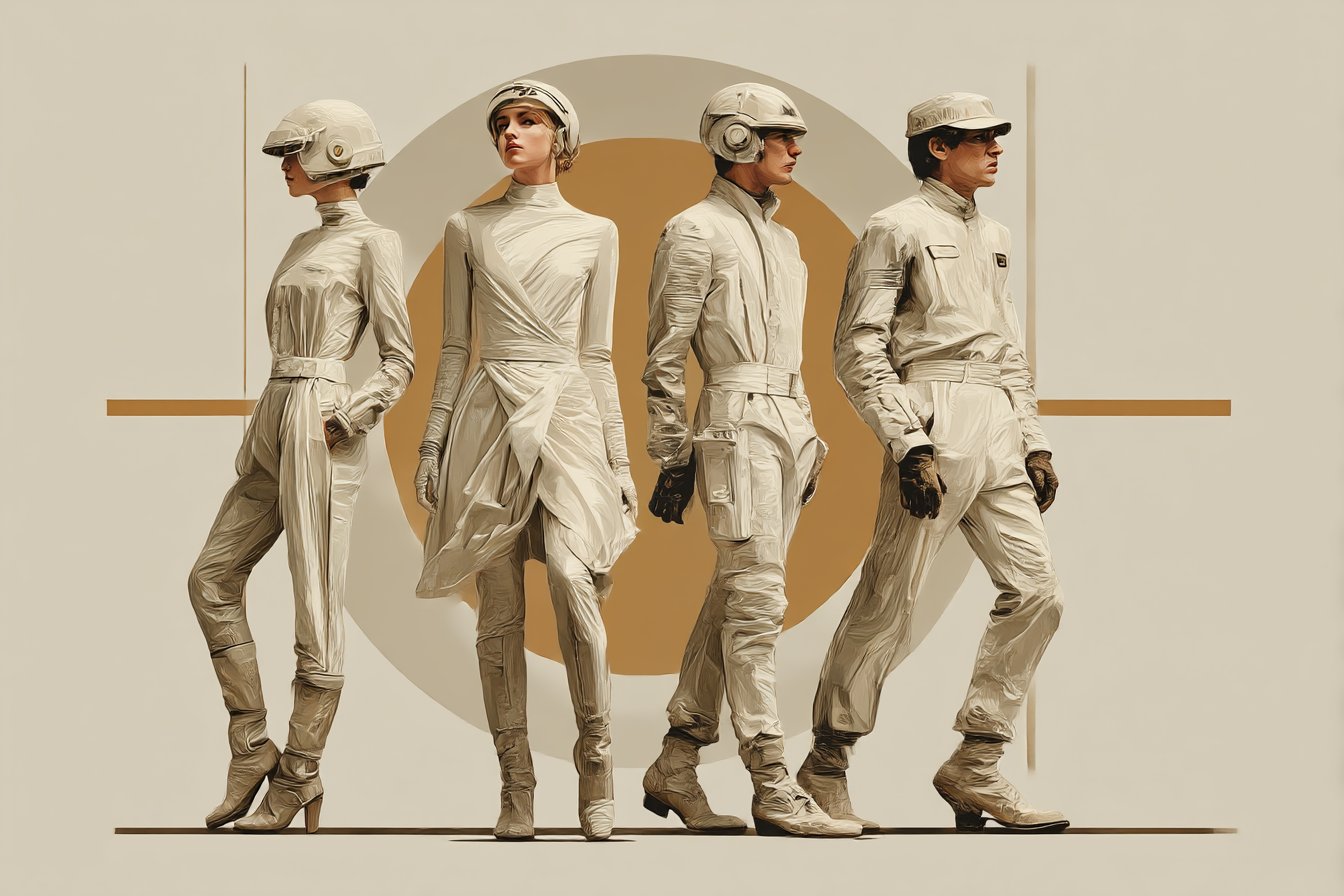
When I’m writing about a new sci-fi film or show, I’ve started paying as much attention to the wardrobes as the dialogue. Because honestly? Sometimes the clothes tell a better story than the script. They reveal character motivations, hint at world-building details the exposition never quite gets around to explaining, and ground fantastical premises in recognisable human behaviour.
The best sci-fi costumes don’t just dress characters — they dress possibilities. They make us believe that people like us might someday wear clothes like that, live in worlds like that, face choices like that. And maybe that’s why I’m still trying to recreate them in my spare time, even when they turn out looking nothing like what I’d imagined. Sometimes the attempt to make fiction real teaches you something about both.

0 Comments