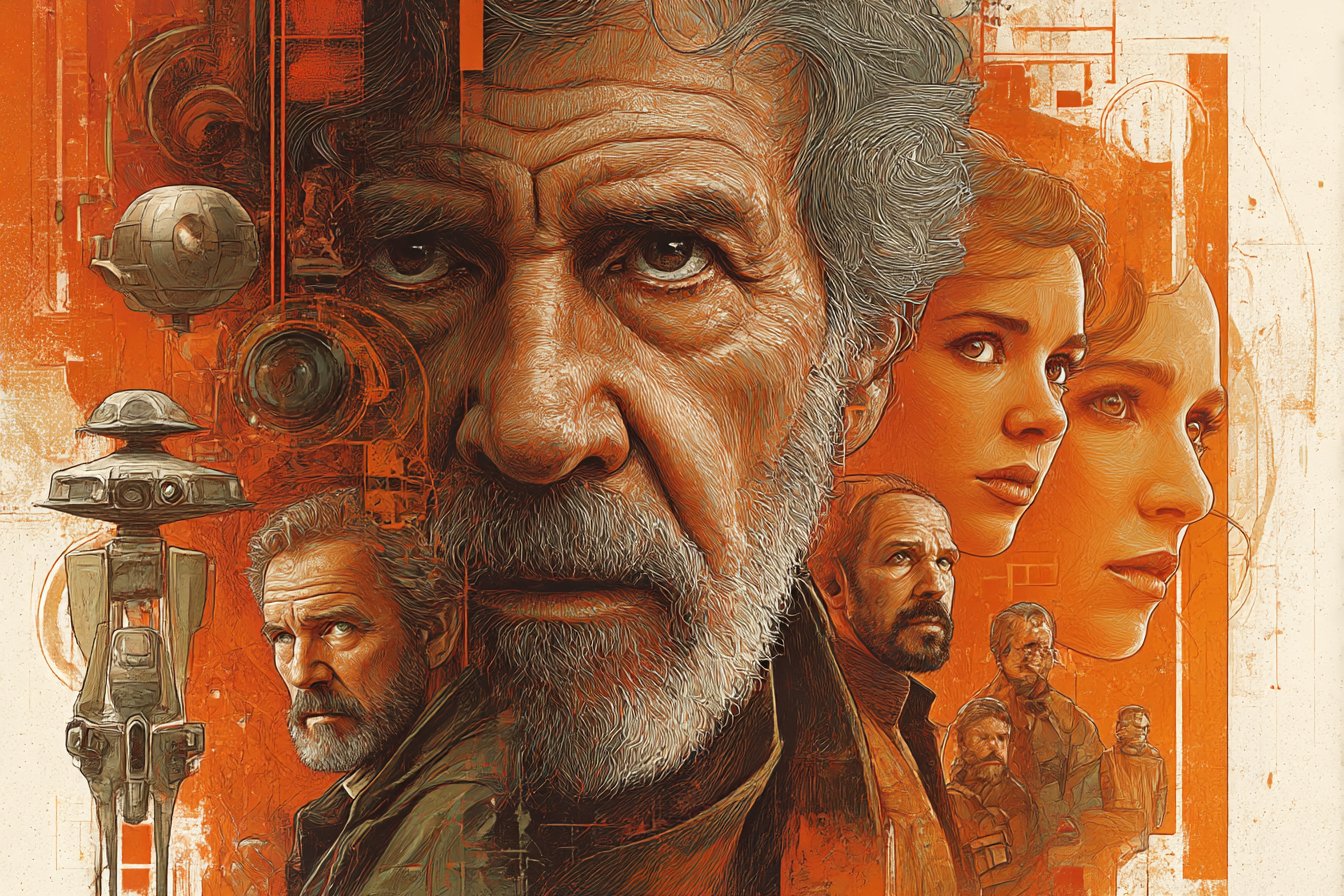

Have you ever sat in a darkened cinema and felt the ground shift beneath your feet? Not literally, of course — though I did once experience that during a particularly enthusiastic screening of *Jurassic Park* where someone had cranked the bass to earthquake levels. What I mean is that moment when a film completely rewrites your understanding of what movies can do, what they can show you, what they can make you feel.
I’ve been chasing that feeling for decades now, ever since I was twelve and convinced my dad to take me to see *2001: A Space Odyssey* during a rare revival screening at our local cinema. Big mistake, he thought — two and a half hours of “space nonsense” when we could’ve been watching something sensible. But watching that bone transform into a spacecraft in one cut?
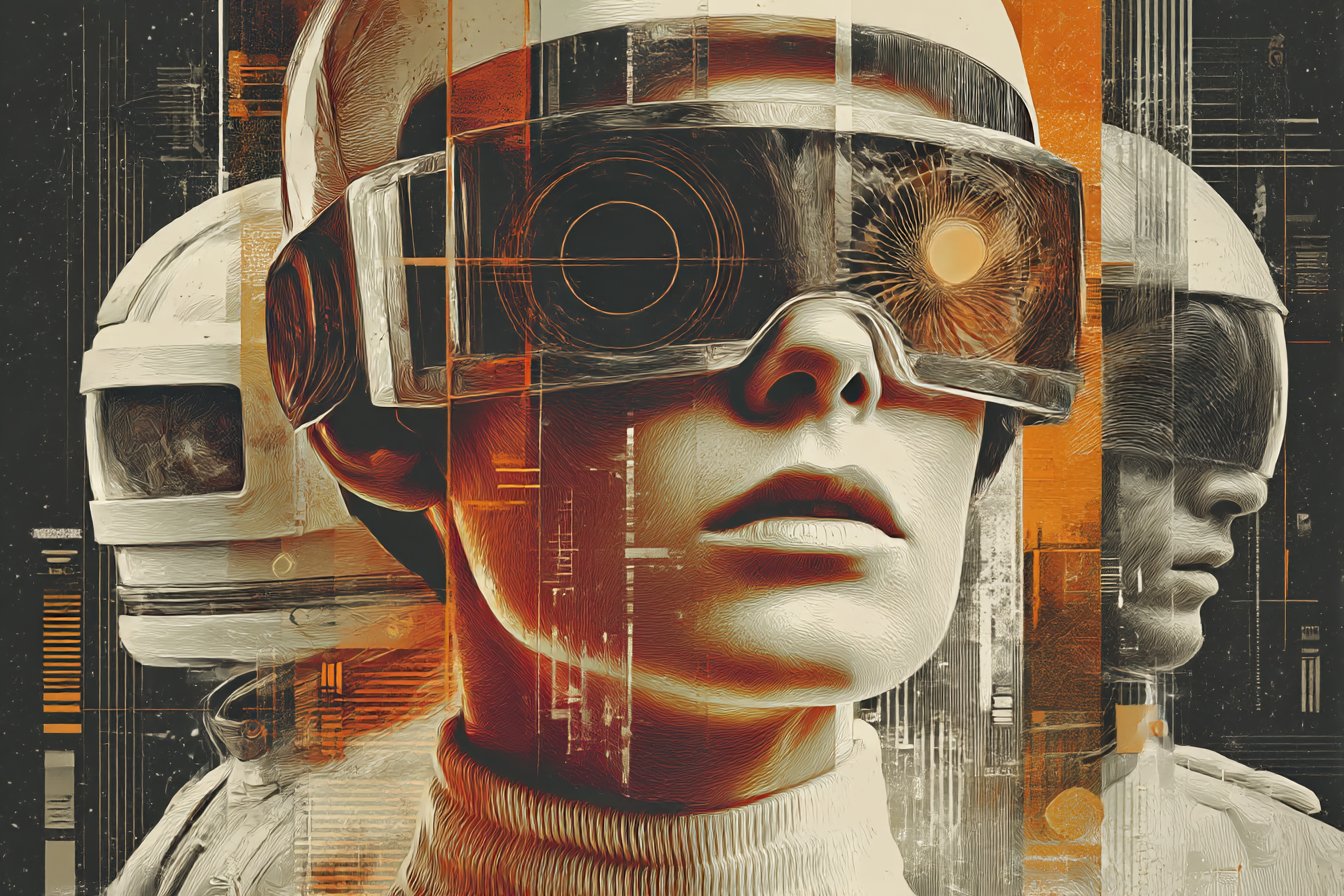
Seeing HAL’s red eye flicker with what felt like genuine malice? That wasn’t just cinema. That was prophecy.
*2001* didn’t just predict video calling and tablet computers (though it did, with eerie accuracy). It fundamentally changed what audiences expected from science fiction films. Before Kubrick, sci-fi movies were mostly bug-eyed monsters and flying saucers held up by fishing line. After *2001*, we demanded philosophical weight, visual poetry, and effects that looked like they could actually exist. Stanley Kubrick spent four years perfecting those shots, building centrifuge sets that actually rotated, creating models so detailed they’d work under the scrutiny of 70mm film. No green screens, no digital trickery — just obsessive craftsmanship and an understanding that if you can make one impossible thing look absolutely real, audiences will believe everything else.
The film’s influence rippled outward in waves. *Star Wars* arrived nine years later and proved you could combine Kubrick’s visual sophistication with pure adventure storytelling. George Lucas took that lesson about practical effects and ran with it, building creatures and spaceships that felt lived-in, worn, functional. When Luke’s landspeeder kicks up real dust on real sand dunes, when C-3PO clanks with actual mechanical weight, when the Millennium Falcon’s interior genuinely looks like a smuggler’s ship that’s seen too many parsecs — that’s *2001*’s DNA at work.
But here’s what really fascinates me: the best sci-fi films don’t just show us new technologies or alien worlds. They force us to confront fundamental questions about what it means to be human. *Blade Runner* asked whether memories make us real, then wrapped that question in rain-soaked neon and Vangelis synthesizers. I remember watching it for the first time on VHS (terrible quality, but somehow that made it more atmospheric) and spending days afterward questioning my own memories. Were they real? Did it matter?
Ridley Scott’s vision of 2019 Los Angeles looked nothing like the actual 2019, but it nailed something more important: the feeling of living in a world where technology has advanced faster than our ability to understand its implications. Every frame dripped with anxiety about identity, consciousness, and what we lose when we create beings more human than ourselves. That’s the mark of truly influential sci-fi — it’s not about predicting the future, it’s about examining the present through a slightly distorted lens.
You Might Also Like

Then came *The Matrix* and broke everything wide open. I was working in electronics retail when it hit cinemas, and I watched customers’ faces change when they emerged from screenings. They’d wander around the store looking at our rows of televisions and computer monitors with new suspicion. “What if none of this is real?” became a genuine philosophical question rather than just a stoned college dorm room discussion.
The Wachowskis didn’t just revolutionize action cinematography with bullet-time effects (though they did, and every action film for the next decade tried to copy it). They took ancient philosophical questions about the nature of reality and made them viscerally urgent. When Neo touches the mirror and it flows like liquid mercury, when he wakes up with blood in his mouth from a dream injury, when Morpheus offers him two pills — those aren’t just cool visual effects. They’re philosophy made physical, ideas you can touch and taste.
What struck me most about *The Matrix* was how it made the impossible feel inevitable. Of course a sufficiently advanced simulation would be indistinguishable from reality. Of course machines would use humans as batteries (never mind the thermodynamics — it *felt* true). Of course escaping the illusion would require sacrifice, commitment, and the willingness to see uncomfortable truths. The film worked because it grounded its wildest concepts in recognizable human emotions: the desire for freedom, the fear of being deceived, the terrible responsibility of knowledge.
*Alien* did something similar twenty years earlier, taking the haunted house formula and launching it into space. Ridley Scott (again — the man understood something fundamental about sci-fi cinema) created a film where advanced technology couldn’t protect you from primal terror. The Nostromo’s crew had faster-than-light travel, suspended animation, and artificial intelligence, but none of it mattered when faced with pure biological imperative. That xenomorph didn’t want to conquer Earth or deliver ultimatums — it just wanted to survive and reproduce, and humans happened to make excellent hosts.
I’ve tried building my own Alien-inspired effects over the years (don’t ask about the time I attempted to recreate the chestburster scene with a hand puppet and fake blood in my kitchen — my landlord was not amused). But what always struck me was how the film’s terror came from biological inevitability rather than technological malfunction.
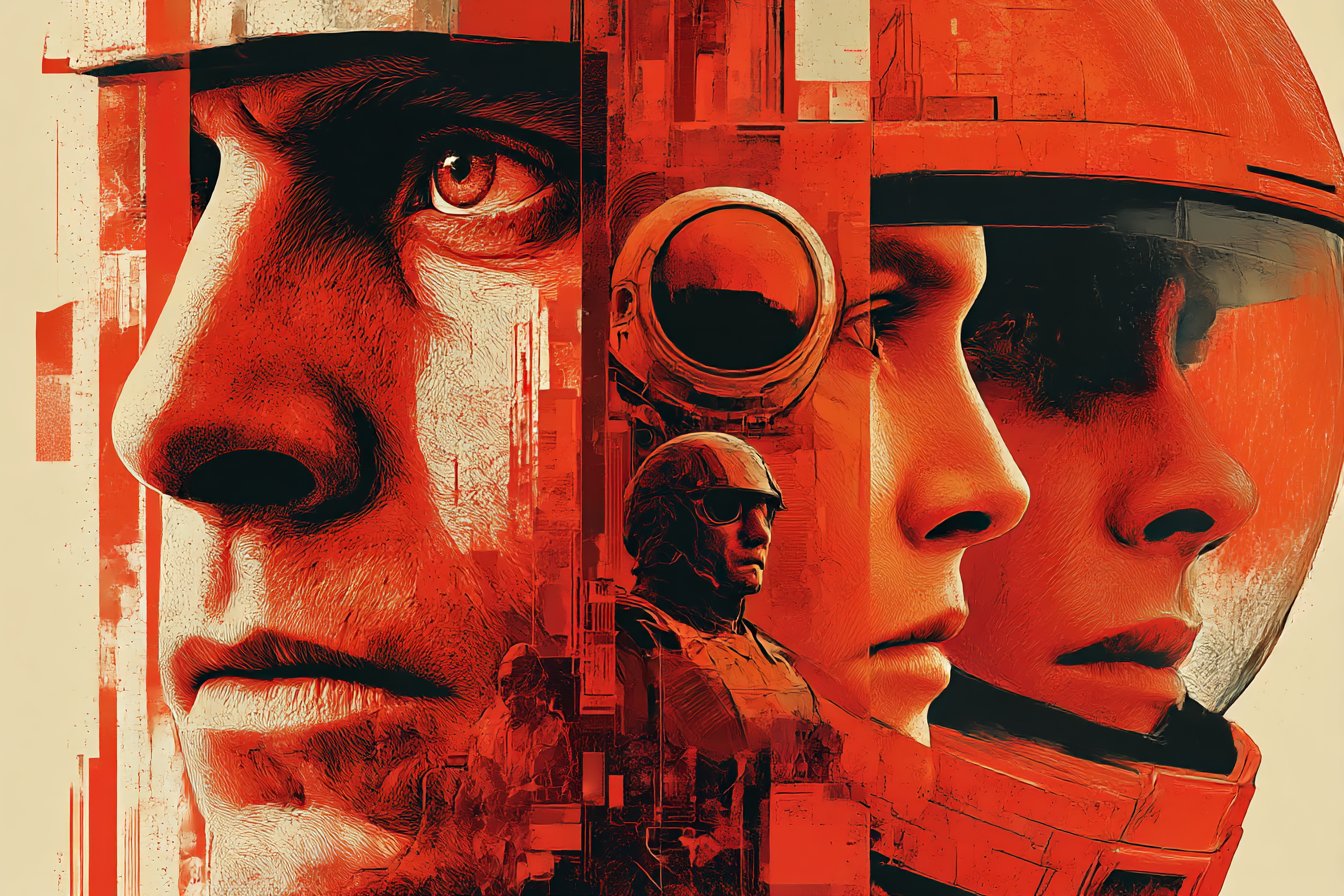
The alien wasn’t evil; it was perfectly adapted. That’s genuinely frightening in a way that malfunctioning computers or robot uprisings aren’t.
These films didn’t just entertain audiences — they expanded our collective imagination about what was possible, both cinematically and conceptually. They made us expect more sophisticated visual effects, more complex moral questions, more respect for our intelligence as viewers. They proved that science fiction could be art, that fantastic premises could explore real human truths, that audiences were hungry for films that challenged them to think as well as feel.
Every time I watch a new sci-fi film, I’m looking for that same electric moment when everything shifts. When the familiar becomes strange, when technology serves story rather than overwhelming it, when impossible things feel not just plausible but inevitable. It doesn’t happen often, but when it does, you know you’re witnessing the birth of the next wave of influence, the next film that will change what we expect from cinema itself.

0 Comments