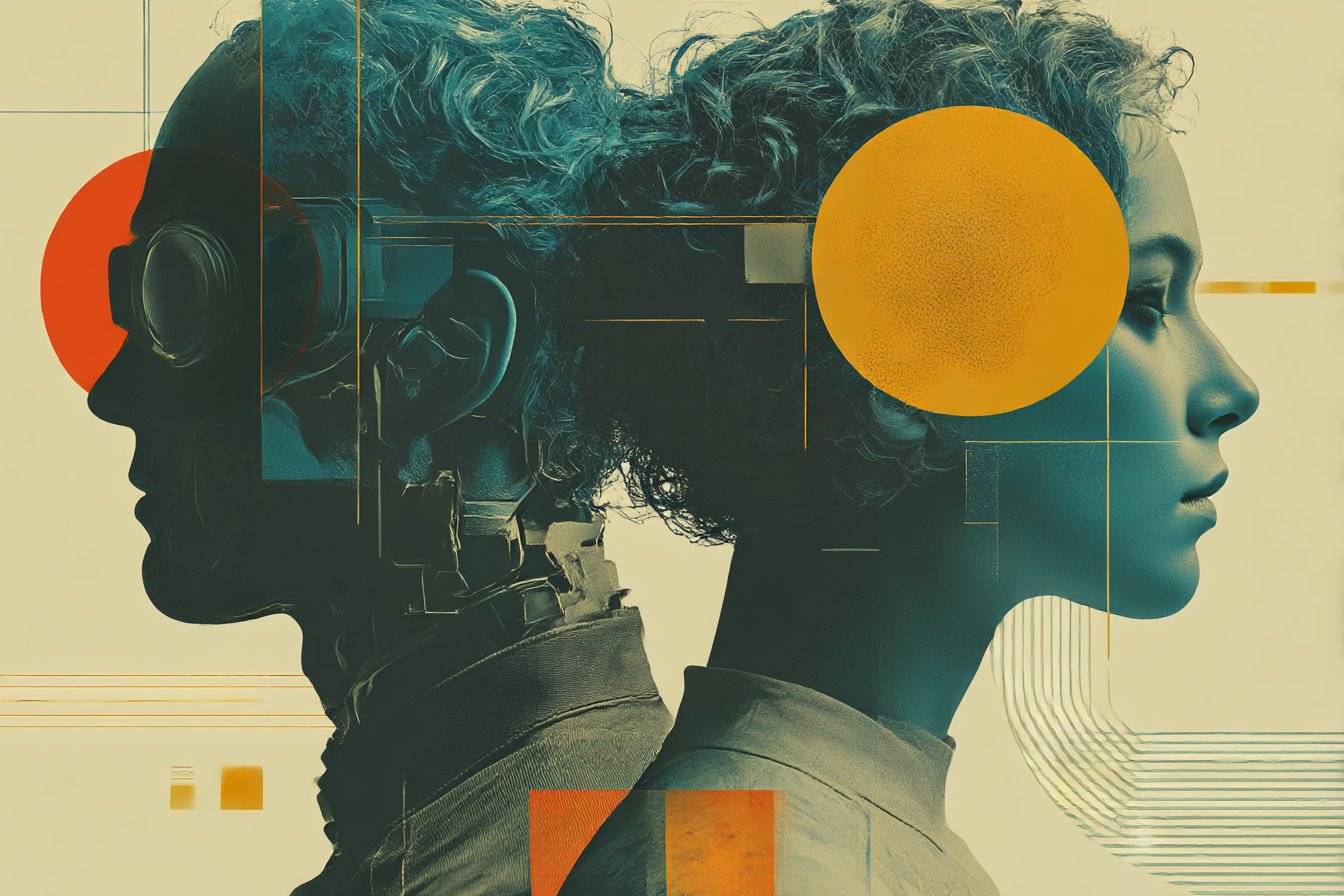

I was tinkering with an old servo motor last Tuesday when my flatmate walked in and asked what I was watching on my laptop. “Humans,” I said, not looking up from the wiring mess I’d created. She glanced at the screen where Anita—actually Mia—was standing perfectly still in that uncanny way the synths do, and said, “That’s the one with the robot people, right? Bit creepy.”
That got me thinking. Creepy, sure, but that’s exactly the point. The show doesn’t just throw androids at us for the sake of cool effects or action sequences.
It asks the uncomfortable questions that keep me awake at night: what makes us human, and how do we know? I mean, really know?
When I first started watching the series, I’ll admit I was drawn in by the tech. The way the synths move, that slight hesitation before responding, the way their eyes focus—it’s believable in a way that most sci-fi androids aren’t. But three episodes in, I realised the show wasn’t really about the technology at all. It was using these artificial beings as a mirror, reflecting back all our anxieties about consciousness, identity, and what we value about being alive.
Take Mia’s arc, which absolutely wrecked me by the end of season one. Here’s a being who was programmed to feel nothing, to be a perfect servant. But something went wrong—or right, depending on how you look at it. She developed what we’d call emotions, memories that felt real to her, attachments to other synths. The show never tells us exactly how this happened, which is brilliant. It doesn’t matter if it’s a software glitch or some kind of emergent property of complex systems. What matters is that Mia experiences her existence as real, meaningful, worth protecting.
I keep coming back to that scene where she’s trying to explain to Joe Hawkins what it feels like to remember things that technically never happened to “her”—they happened to Anita, her cover identity. But are they any less real for being programmed? The show doesn’t give us easy answers, which is exactly why it works.
You know what really gets me? The way ordinary people react to these conscious synths. Some characters, like Mattie, see them as individuals deserving rights and protection. Others view them as property that’s malfunctioned, something to be fixed or destroyed. It’s not subtle, but it doesn’t need to be. We’ve seen these same arguments throughout history whenever we’ve had to expand our definition of personhood.
Leo’s character adds another layer of complexity that I find fascinating. He’s human, but enhanced with synthetic components after an accident. The show uses him to explore the grey areas between human and artificial—if consciousness can exist in silicon and code, what happens when those systems integrate with biological ones? Leo experiences both human emotions and synthetic capabilities, but he’s not quite either. His struggle with identity feels authentic because the writers don’t try to resolve it neatly.
You Might Also Like

The family dynamics in the show hit me harder than I expected. The Hawkins family starts falling apart the moment Anita arrives, not because she’s dangerous, but because she’s better at being what they think they want than they are. She doesn’t get tired, doesn’t have bad moods, doesn’t forget to pick up the dry cleaning. When Laura comes home to find her kids prefer spending time with Anita, the threat isn’t physical—it’s existential. What’s your purpose if a machine can fulfil your role more efficiently?
I’ve been working on a small Arduino project lately that responds to voice commands, and every time it works perfectly, I think about that moment when Mattie realises she’s more comfortable talking to Anita than her own mother. There’s something unsettling about preferring the interaction with something designed to please us over the messy, complicated reality of human relationships.
The show’s treatment of Max, the gentle synth who works in the Hawkins’ garden, really stuck with me. He develops what appears to be genuine care for living things—plants, animals, eventually humans. But is it care, or just sophisticated programming? The brilliant thing is that from Max’s perspective, there’s no difference. He experiences something that feels like compassion, makes choices based on what he perceives as moral principles. If it walks like ethics and talks like ethics…
What I appreciate most about Humans is how it handles the question of artificial consciousness without falling into the usual sci-fi traps. There’s no moment where we get definitive proof that the synths are “really” conscious. No scan showing a soul, no magic moment of awakening. Instead, we’re left to judge based on behavior, on the complexity of their responses, on whether their actions suggest genuine understanding rather than clever mimicry.
The show’s exploration of memory particularly fascinated me. When the conscious synths share experiences through direct data transfer, are they sharing memories or just information? When Mia accesses Anita’s experiences, she doesn’t just download data—she seems to feel the emotional weight of those interactions. That suggests something more than simple information processing, something that looks an awful lot like what we call consciousness.
I’ve started paying attention to my own decision-making process since watching the show.
How many of my choices are really conscious decisions versus automatic responses based on past programming—I mean, experiences? When I chose physics over biology at university, was that a free choice or just the result of accumulated influences and genetic predispositions? The line between programmed response and conscious choice isn’t as clear as we’d like to think.
Humans succeeds because it doesn’t try to answer the big questions definitively. Instead, it forces us to examine our assumptions about consciousness, identity, and what makes life meaningful. The synths serve as a thought experiment made visible: if something acts conscious, responds emotionally, forms relationships, and makes moral choices, does it matter what substrate supports that consciousness?
That’s what keeps me coming back to the show, and what makes it essential viewing for anyone interested in where technology might take us. Not the gadgets or the special effects, but the questions that won’t leave you alone once you’ve started asking them.

0 Comments