











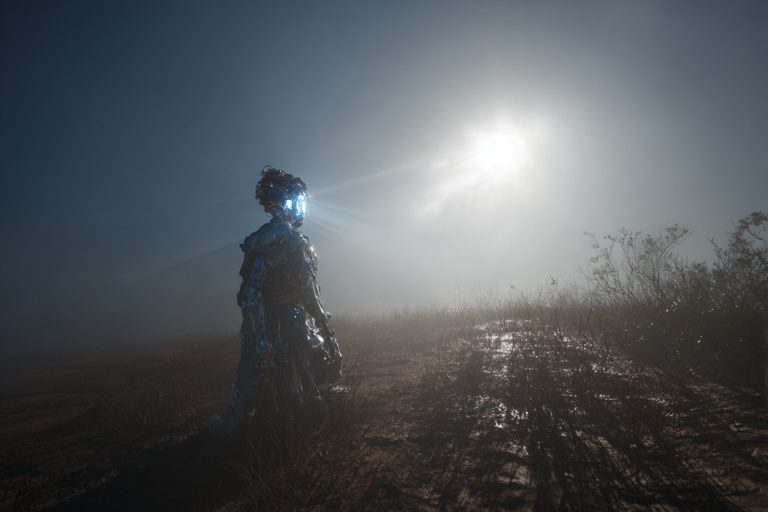

The first time I watched Danny Boyle's Sunshine, I made the mistake of thinking I was settling in for another "fix the sun" disaster flick. You know, something where the science takes a backseat to explosions and heroic speeches. Boy, was I wrong. About halfway through, when the Icarus II crew starts grappling with whether to deviate from their mission to investigate the lost Icarus I, I found myself genuinely uncomfortable in my seat – not because of any jump scares, but because the moral calculus was so brutally real.
That discomfort stayed with me for weeks. I kept thinking about physicist Robert Capa's decision to sacrifice himself, about the weight of carrying humanity's last hope, about what it actually means to stare into the sun. The film doesn't just ask "what if the sun was dying?" It asks something much harder: what if you held the power to save everyone, but the cost was everything you are?
The physics in Sunshine isn't perfect – I mean, the sun's core temperature wouldn't actually drop to the point where a nuclear bomb could reignite fusion, no matter how large. But here's the thing: the film earns its scientific liberties by getting the human elements so right that you stop caring about the technical impossibilities. When you're watching Capa calculate payload trajectories while knowing he'll never see Earth again, the exact mechanics of stellar physics become secondary to the weight of that knowledge.
I spent a good chunk of last year trying to recreate some of Sunshine's visual effects in my garage workshop (terrible idea, by the way – turns out miniature solar flares require more ventilation than I'd anticipated). What struck me wasn't just how difficult it was to capture that sense of scale, but how the film uses light itself as a character. The closer the crew gets to the sun, the more the light becomes oppressive, beautiful, and terrifying all at once. It's not just illumination – it's presence.
The movie's genius lies in how it treats scientific concepts as emotional experiences. Take the sequence where they're deciding whether to change course to investigate the distress beacon from Icarus I. The debate isn't really about navigation or fuel calculations – it's about hope versus certainty, about whether humanity deserves a backup plan. When Searle argues for investigating, and Mace argues against it, they're having a conversation about risk that every scientist, every engineer, every person making decisions with incomplete information will recognize.
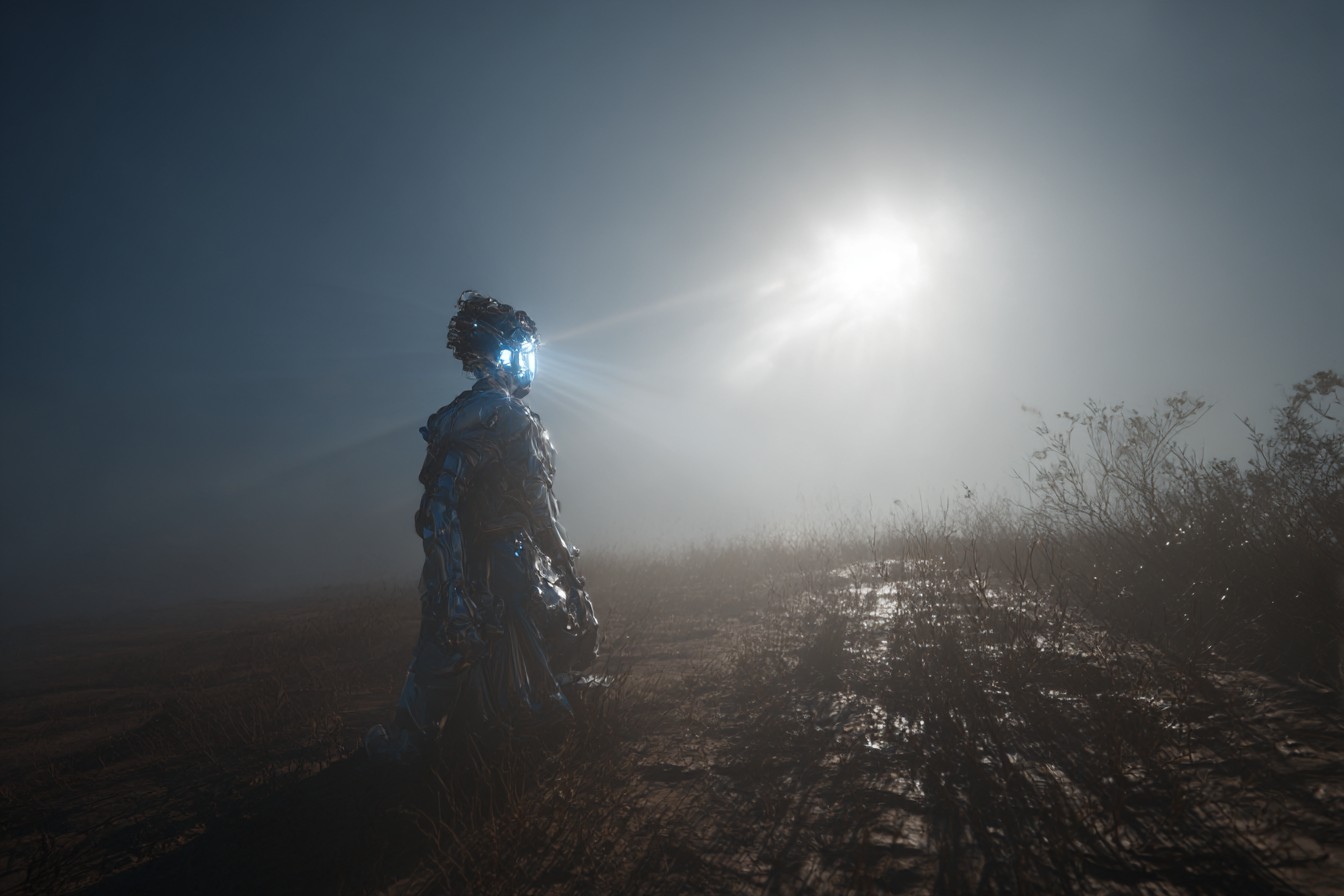
I've worked on enough small projects to know that moment when you have to choose between the safe path and the potentially better one. The film captures that paralysis perfectly. You can almost feel the weight of eight billion lives pressing down on every calculation.
The terror in Sunshine comes from two sources, and neither is the traditional monster-in-the-dark approach. First, there's the cosmic horror of scale – the sun is dying, and we're insects trying to fix it with a nuclear firecracker. Second, there's the intimate horror of responsibility – what if you're wrong? What if your choice dooms everyone?
When Capa finally makes his sacrifice, diving into the sun to manually detonate the payload, the film doesn't give us a triumphant hero moment. Instead, we get something much more profound: a scientist doing what needs to be done, fully aware of the cost. The way he reaches out to touch the surface of the sun – that moment where curiosity and duty and acceptance all converge – still gives me chills.
I've shown clips from Sunshine to friends who aren't typically sci-fi fans, and they always get hooked by the psychological pressure more than the space travel. There's something universally terrifying about being the person who has to make the call when everything depends on getting it right. The film understands that the most frightening scenarios aren't those where monsters chase you, but where you have to choose between bad options while the clock runs down.
The movie's treatment of science as both salvation and burden resonates because it mirrors real scientific endeavor. Every breakthrough comes with consequences we don't fully understand. Every solution creates new problems. Sunshine doesn't shy away from this – it makes it the emotional core of the story.

What makes the film's impact lasting is how it balances genuine scientific curiosity with psychological depth. When Searle becomes obsessed with staring at the sun, it's not just a plot device – it's an exploration of what happens when human wonder meets cosmic forces beyond our comprehension. His fascination is both beautiful and destructive, which feels absolutely right.

The film also succeeds because it doesn't try to explain everything. We never fully understand why the sun is dying (though the idea of Q-balls consuming solar matter is fascinating). We don't need to. What matters is the human response to an impossible situation, and how people maintain purpose when faced with incomprehensible scale.
I keep coming back to Sunshine because it demonstrates something crucial about effective science fiction: the best stories aren't about the technology or the cosmic threats – they're about how extraordinary circumstances reveal who we really are. The sun may be the MacGuffin, but the real story is about duty, sacrifice, and the terrible beauty of doing what's necessary even when it costs everything.
That's why the film continues to resonate. It reminds us that science isn't just about understanding the universe – it's about accepting our responsibility to it, even when that responsibility feels impossibly heavy. Especially then.
