
















So I was procrastinating on a bug report last Tuesday night—you know how it is, sometimes you just can’t face writing “player can clip through wall geometry on level 7” for the hundredth time—and I ended up down a rabbit hole looking at Hugo Award winners from the past decade. And man, something hit me that I hadn’t really put together before. Not just that I’d read most of these books (occupational hazard of being a sci-fi nerd), but there was this pattern emerging that made me think about how much the genre has shifted under our feet.
The Hugo Awards aren’t just shiny rockets they hand out at WorldCon, you know? They’re like… okay, terrible analogy incoming, but they’re like the metacritic score for where sci-fi is headed as a community. And right now, that score is telling us we want stories that don’t just blast us off to distant planets—we want ones that hold up a mirror to the mess we’re currently living through.
I started paying real attention to award season around 2015, right when I was getting serious about writing sci-fi criticism instead of just arguing with people on Reddit (though let’s be honest, I still do plenty of that). Back then, the winners felt more… I don’t know, escapist? And I mean that in the best way possible. We got these sprawling space operas, time travel adventures, stories that grabbed you by the collar and dropped you somewhere with binary sunsets and sentient gas clouds. Pure sense of wonder stuff that reminded you why you fell in love with sci-fi in the first place.
But lately? The Hugo voters seem drawn to work that uses the future as a way to examine the present. Take N.K. Jemisin’s Broken Earth trilogy—three Hugo wins in a row, which is just insane when you think about it. Sure, there’s magic systems and geological catastrophes and all that good speculative stuff, but underneath it’s really dissecting power structures, systemic oppression, how societies decide who gets to count as human. Or Martha Wells’ Murderbot Diaries, which on the surface is about a security android trying to figure out its place in the universe, but is actually exploring anxiety, corporate exploitation, bodily autonomy… all wrapped up in this sarcastic AI that just wants to watch its space soap operas.
This shift is telling us something important about where the genre is headed, and honestly, it’s made me rethink some of my own assumptions about what sci-fi should be doing. The genre has always been political—anyone who thinks otherwise clearly never read Ursula K. Le Guin or Philip K. Dick—but there’s this new directness to it now. Writers aren’t burying their critiques under seventeen layers of metaphor anymore. They’re just coming right out and saying “hey, what if we took this current problem and followed it to its logical conclusion?”
I’ve noticed this change in my own reading habits too, which is kind of wild when I stop to think about it. Five years ago, if you’d put two books in front of me—one about faster-than-light travel and alien archaeology, another about climate refugees on generation ships—I probably would’ve grabbed the archaeology one without thinking twice. Now I find myself more drawn to the refugee story. Not because the sense of wonder has disappeared, but because that wonder now includes wondering how we might actually fix the things that are obviously broken.
The Hugo voters reflect this evolution, and thank god the awards have become more international over the years. We’re getting voices from Nigeria, China, Mexico, India—authors who aren’t writing to escape their realities but to examine them, critique them, imagine alternatives. And the stories are just… better for it. More complex, more honest, more human even when they’re about AIs or aliens or whatever.
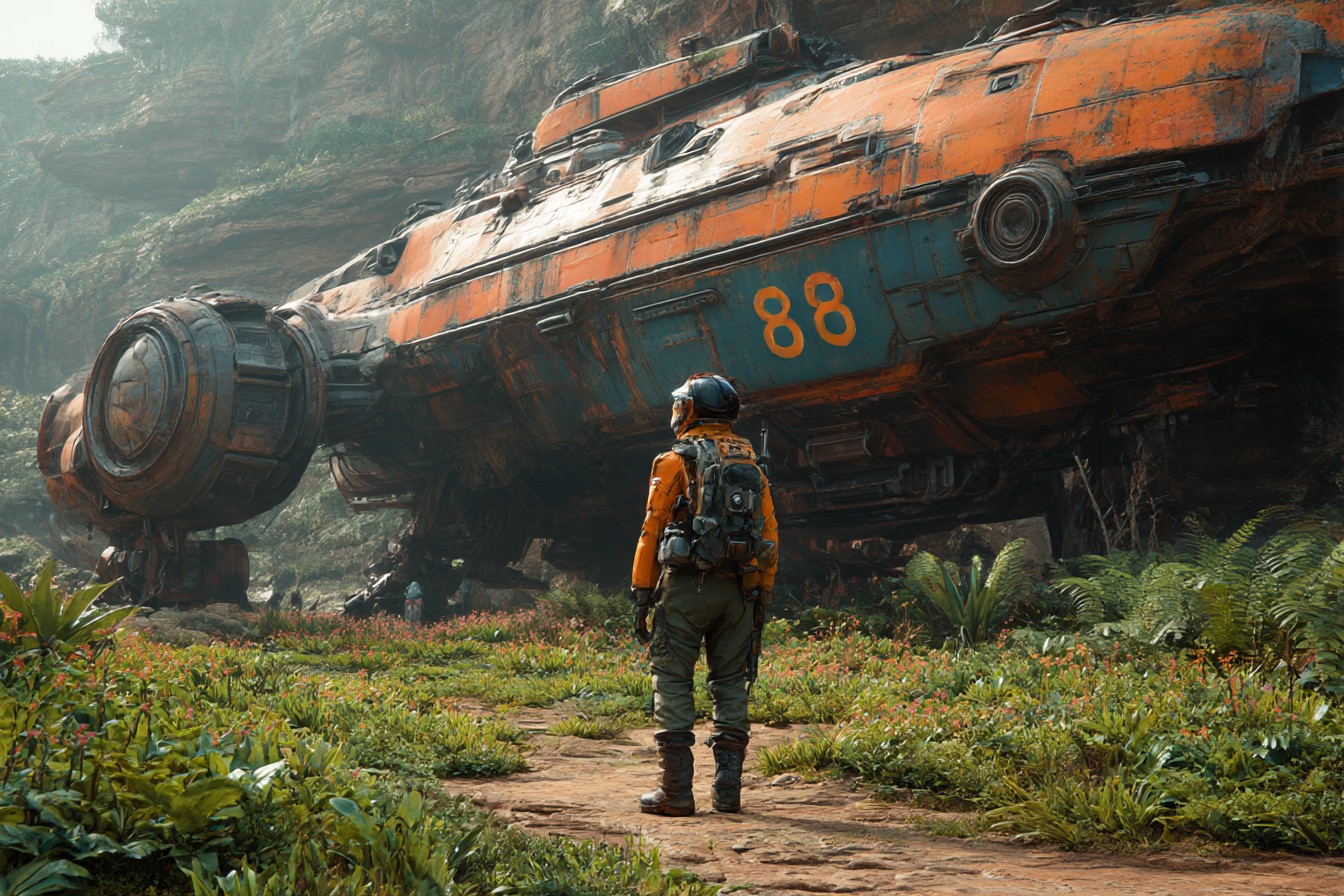
But here’s where it gets really interesting from a genre development perspective, and this is something I’ve been thinking about a lot as I watch games go through similar shifts. Awards don’t just reflect trends—they actively shape them. When a book wins a Hugo, it gets more shelf space, bigger marketing budgets, adaptation interest from Netflix or whoever. Publishers start looking for “the next Hugo winner,” which means they’re actively seeking out books that match whatever template seems to be working.
This creates this feedback loop that I see in gaming too. Writers notice what’s winning and adjust their pitches accordingly. Not necessarily cynically—though sure, that happens—but because they want their work to actually reach readers, and awards are one of the few reliable paths to visibility in an increasingly crowded market. I’ve talked to several emerging writers who’ve consciously shifted toward more socially conscious sci-fi after watching the Hugo winners from the past few years.
Is this good? Mostly, yeah. I mean, science fiction has always been at its best when it’s asking hard questions about where we’re heading as a species. That’s what hooked me in the first place with games like Mass Effect and KOTOR—they weren’t just giving me cool space battles, they were making me think about morality, consciousness, what makes us human. But I do worry sometimes that we might lose some of that pure “holy shit, what if we could build a Dyson sphere” wonder that made me fall in love with the genre.
I actually tested this theory last month by re-reading some older Hugo winners. Grabbed Asimov’s Foundation series, which won that special Hugo for Best All-Time Series back in 1966. Still brilliant, obviously, but it reads so differently now. There’s this almost naive confidence that human civilization will just expand across the galaxy in neat, predictable patterns. No mention of climate change, resource depletion, the messy reality of what colonization actually looks like when humans do it.
That’s not me dunking on Asimov—the guy was writing for his time, and he was addressing the concerns that made sense then. But it does show how much the genre has evolved. Today’s Hugo winners assume we’ll drag all our current problems with us to the stars, which is probably more realistic even if it’s way less comforting.
Most popular

The awards also tell us something about the sci-fi reading community itself, and this is where it gets really interesting. Hugo voters are largely convention-goers, people deeply embedded in fandom culture. They’re increasingly diverse, increasingly global, and increasingly unwilling to separate their entertainment from their values. When they vote for a book about AI consciousness, they’re not just saying “this was a fun read”—they’re saying “this story helps us think about questions that matter.”
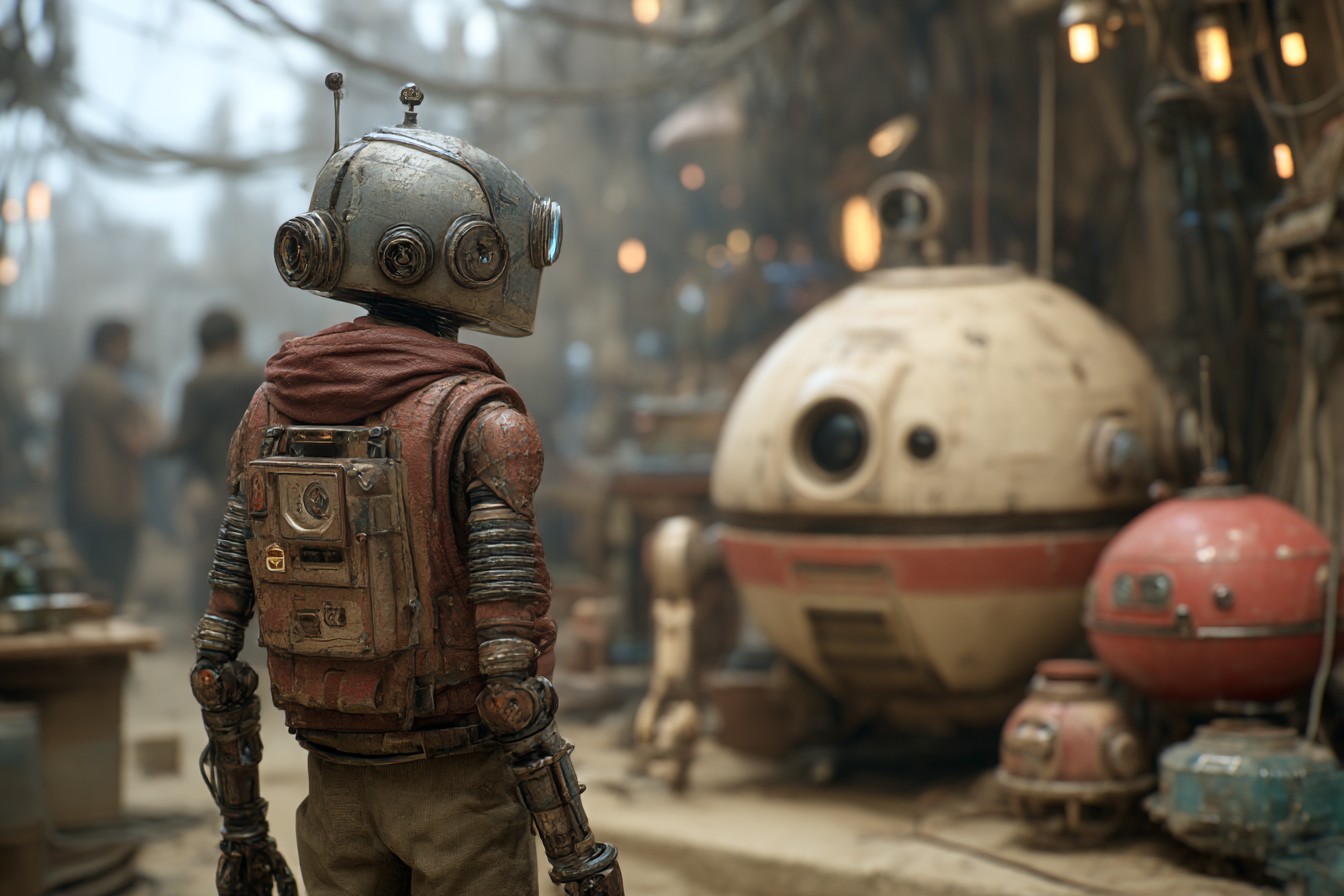
What really gets me thinking is how this might influence the next generation of writers. The kids who are reading today’s Hugo winners—what kind of stories will they be writing in twenty years? Will they push even further into social consciousness? Or are we going to see some kind of pendulum swing back toward pure adventure?
My guess is we’ll see both. Genre fiction has always been cyclical—look at how gaming went from the grimdark everything-is-brown phase to the current indie renaissance. But this moment feels different somehow. More urgent. Like the community has decided that science fiction isn’t just entertainment anymore, it’s a tool for imagining better futures. Or at least more honest ones.
And you know what? Maybe that’s exactly what we need right now. Those childhood sketches I used to make of Mars colonies and interdimensional gateways? They’re still worth imagining. But now I’d want to know: who gets to live in those colonies? Who controls access to the gates? What are the power structures that make this future possible?
Those are the questions today’s Hugo winners are asking, and honestly, I think we’re all better off for it. Even if it means sci-fi has gotten a little less escapist and a little more… well, real. Sometimes reality is exactly what we need to escape to.

Logan lives in Minneapolis with too many consoles and just enough opinions. He explores how sci-fi plays differently across games, TV, and film—celebrating great world-building and calling out lazy tropes. Expect passionate takes, sarcasm, and the occasional Mass Effect reference.