












Walking into my first Atlanta sci-fi gaming convention seven years ago, I wasn't sure what to expect. I'd been to smaller local meetups before, but nothing on this scale. The moment I stepped through those massive convention center doors, the sensory overload hit me like a wave – the buzz of thousands of conversations, the metallic tang of fog machines working overtime, and that unmistakable convention smell of coffee, electronics, and too many people in one space.
What struck me most wasn't the impressive cosplay (though seeing someone nail a perfect Master Chief walk certainly caught my attention). It was the energy. You know that feeling when you're around people who genuinely get excited about the same weird stuff you do? That's what this gathering delivers in spades.
The panels are where the real magic happens, honestly. Last year, I sat in on a discussion about the physics of faster-than-light travel that had me scribbling notes like a grad student. The panelists – a mix of actual physicists, game developers, and science fiction authors – didn't just throw around buzzwords. They dug into the nitty-gritty of why certain FTL mechanisms work better in storytelling than others. One physicist explained why the Alcubierre drive sounds plausible until you factor in the energy requirements (spoiler: you'd need to convert Jupiter into pure energy just to move a small ship).
But it's not all heavy science. I remember laughing until my sides hurt during a panel called "Epic Fails in Future Tech Design" where game designers shared their most embarrassing mistakes. One developer admitted they'd created a space station with artificial gravity that somehow worked differently on each floor because they'd forgotten to establish consistent rules early in development. The audience was eating it up – partly because we've all made similar mistakes, whether in our own creative projects or just trying to explain plot holes to friends.
The cosplay scene has evolved tremendously over the years. What started as mostly store-bought costumes has morphed into incredible displays of craftsmanship. I watched someone demonstrate how they'd built LED strips into their cyberpunk outfit that responded to their heartbeat – actual biosensors triggering light patterns. The technical skill required for some of these builds rivals professional special effects work. And here's the thing: people are genuinely happy to explain how they did it. I've learned more about 3D printing, fabric painting, and electronics from casual conversations in the hallway than from most tutorials online.
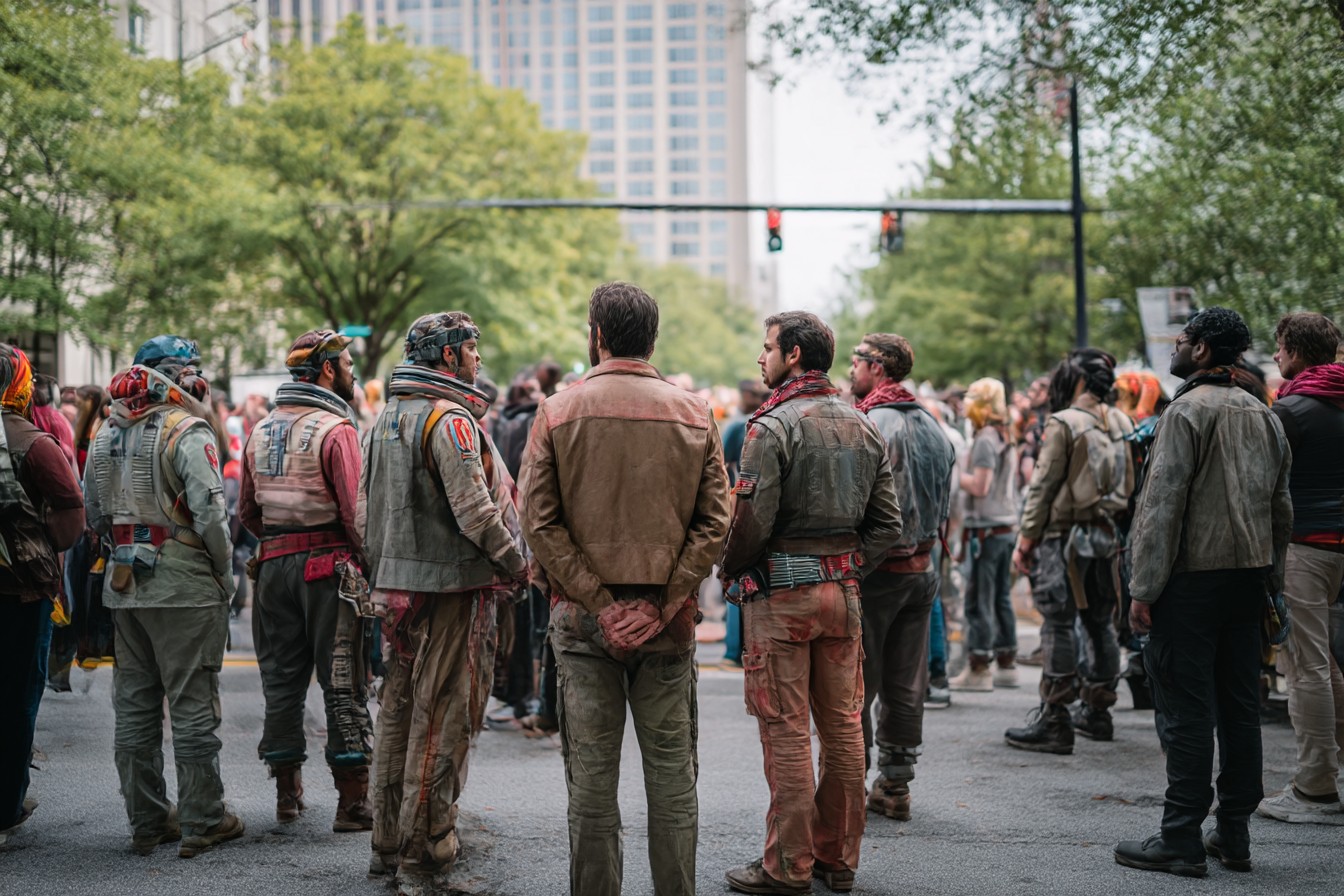
There's something infectious about watching someone's face light up when they talk about the sixteen hours they spent hand-painting scales on their dragon costume. Or the couple who spent months coordinating matching mech suits that actually transform (okay, partially transform, but still impressive). These aren't just costumes – they're engineering projects, art pieces, and love letters to the source material all rolled into one.
The community aspect surprised me most. Gaming conventions can sometimes feel cliquish – hardcore fans gatekeeping against newcomers. This gathering takes the opposite approach. I've seen veteran attendees actively seek out first-timers to make sure they know about the best panels or where to grab decent food. There's this unspoken understanding that we're all here because something sparked our imagination, and that spark deserves protecting and nurturing, regardless of whether you're into hard science fiction or space opera fantasy.
The vendor hall showcases an impressive range of indie game developers alongside bigger studios. I love browsing the smaller booths where you can actually talk to the people who coded the game you're trying. Last time, I spent an hour with a developer who'd created a colony simulation game based on actual exoplanet data. We ended up discussing soil chemistry on Kepler-442b, which wasn't a conversation I'd expected to have that day, but turned out to be fascinating. These developers aren't just selling games – they're sharing their passion projects, their weird experiments, their "what if" scenarios made interactive.
Speaking of new releases, the preview sessions offer genuine sneak peeks at upcoming titles. Not the polished marketing demos you see at big industry events, but actual work-in-progress builds where things might break or look rough around the edges. There's something refreshing about seeing games in their messy, honest state. Developers can get real feedback from their target audience without the pressure of presenting a perfect product.

The tabletop gaming area deserves mention too. While video games get most of the attention, there's a thriving scene of board games, card games, and role-playing sessions happening simultaneously. I joined a cyberpunk RPG session run by someone who'd clearly spent serious time thinking about how future economies might actually function. We ended up in a two-hour debate about cryptocurrency in a post-scarcity society – the kind of wonderfully nerdy tangent that makes these gatherings special.
Food options have improved significantly since those early years when your choices were overpriced pizza or overpriced burgers. Local food trucks now show up with everything from Korean fusion to gourmet grilled cheese. Pro tip: the truck with the sci-fi themed menu items (I highly recommend the "Soylent Green" smoothie – it's actually delicious and definitely not made from people) tends to have the shortest lines around 2 PM.
Most popular

What keeps drawing me back isn't just the panels or the games or even the impressive technical displays. It's the conversations that happen in between – the random encounters where someone mentions an obscure sci-fi novel you loved as a kid, or shares their theory about why certain game mechanics work better for space exploration themes. These moments remind me why I fell in love with science fiction in the first place: it's not just about the technology or the adventure, it's about imagining how we might adapt, what we might become, and what questions we'd face along the way.
If you're thinking about attending, just go. Don't worry about not knowing enough or not having the perfect costume. Bring your curiosity, your willingness to try new things, and maybe a portable phone charger – you'll be taking more photos and notes than you expect.
