












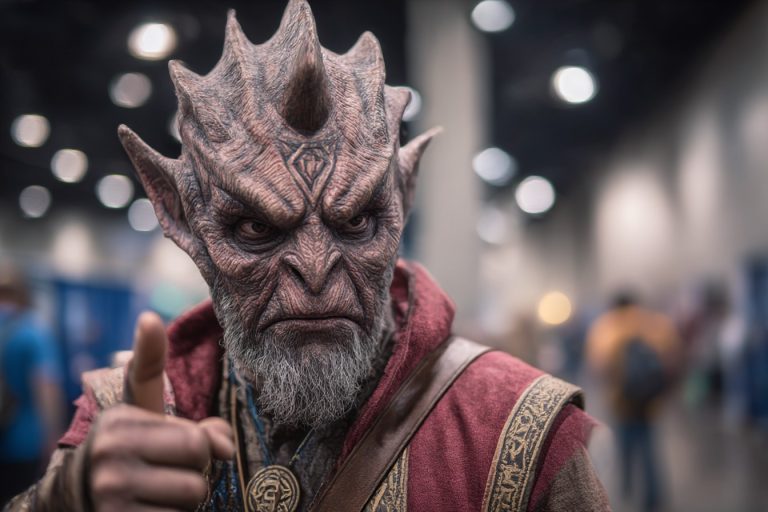

That smell… man, you know exactly what I’m talking about if you’ve ever been to one of these things. It’s like someone mixed industrial carpet cleaner with the ozone from a thousand overheating laptops, throw in some commercial air freshener trying (and failing) to mask it all. I still remember walking into my first WorldCon in Chicago back in 2017, death-gripping my badge like it was going to save me from drowning in this sea of people who seemed to speak entirely in acronyms I didn’t understand.
I was twenty-two, fresh out of college, working my first QA job and thinking I knew everything about sci-fi because I’d played Mass Effect like fifty times. Yeah, right. Walking into that convention center was like… imagine thinking you’re pretty good at basketball because you play NBA 2K, then suddenly you’re on a court with actual players. Humbling doesn’t begin to cover it.
Seven years later? I’ve hit twelve major conventions across three continents, and I can tell you this much — nothing, absolutely nothing, prepares you for that first experience. It’s beautiful chaos. Literature meets technology meets fandom meets people who’ve spent their rent money on costume materials, all crammed into spaces that weren’t designed for this level of concentrated enthusiasm.
See, WorldCon operates on these multiple layers that nobody explains to you upfront. There’s the official stuff — panels where authors talk about their latest work, readings where they do dramatic voices for their alien characters, award ceremonies that run two hours longer than scheduled. Then there’s the commercial layer, these dealer rooms that could bankrupt you faster than a Steam sale if you’re not careful. But the real magic happens in the spaces between. Hotel bars at midnight where someone’s explaining their theory about faster-than-light communication. Random conversations while you’re both desperately hunting for decent coffee because the hotel stuff tastes like it was filtered through old socks.
My second convention taught me this lesson hard. I’d spent weeks planning, color-coding my schedule by topic, mapping out efficient routes between panel rooms like I was planning a military operation. Completely missed the point. I bumped into Dr. Sarah Chen — this xenobiologist whose work on extremophiles had inspired half my recent writing — while we were both having a caffeine crisis at 7 AM. Twenty minutes talking about how alien biochemistry might actually function, just standing there in a hallway holding terrible hotel coffee, and I learned more than from any formal panel that weekend.
First rule I tell everyone now: make a schedule, then ignore it. I mean, hit the big stuff — major author talks, Hugo Awards ceremony, panels with writers you actually read. But leave huge gaps for accidents to happen. Some of my best convention memories involve following interesting conversations down rabbit holes I never saw coming. Like ending up in a three-hour debate about generation ship sociology with a NASA engineer and a fantasy novelist who turned out to know more about orbital mechanics than most physicists.
Preparation is this weird art form nobody teaches you. Everyone mentions comfortable shoes (absolutely true, you’ll walk miles on concrete) and bringing snacks (also true, convention food prices are criminal). But here’s what I wish someone had told me before that first con: bring business cards. Even if you’re just a software tester who writes about sci-fi on weekends, bring cards. You’re going to meet people. Writers, artists, engineers working on actual Mars mission planning, game designers, that person who builds working tricorders in their garage for fun. Having a way to stay connected matters.
Also? Pack like you’re going to multiple climate zones in the same day. Convention centers have two settings: arctic research station and surface of Mercury. No in-between. I’ve shivered through panels about terraforming while the dealer hall felt like I was actually on Venus. Layers, people. Dress like you’re going camping somewhere with completely unpredictable weather.
Money management… oof. I had this strict budget for my first convention, very responsible adult planning. Lasted exactly six hours. Those dealer rooms are dangerous territory. You’ll find signed first editions of books you didn’t know existed, handcrafted props that look better than movie versions, art that makes your apartment walls look embarrassingly bare. Gadgets that blur the line between science fiction and actual science. My strategy now? Bring cash, leave the credit cards at the hotel, accept that you’re going to buy something completely impractical that you’ll treasure for years.
Pro tip that saved me hundreds of dollars: volunteer opportunities. Most conventions need help with registration, tech setup, shuttling confused authors between venues. The work isn’t glamorous — I’ve spent afternoons untangling microphone cables and directing people to bathrooms. But you get behind-the-scenes access, reduced admission costs, and this weird satisfaction from keeping the whole complicated machine running. Plus volunteers often get first crack at leftover merchandise. Score.
Social dynamics took me forever to figure out. Sci-fi conventions attract everyone from shy academics who mumble about quantum mechanics to cosplayers who could teach Broadway about commitment to character. Don’t judge books by covers here. That person in the elaborate Mandalorian armor chatting about weapon modifications? Rocket scientist. The quiet person reading in the corner, avoiding eye contact? Could be your favorite author traveling incognito, or the next Hugo winner who’s just introverted as hell.
Costumes aren’t required, but they’re part of the experience. My first attempt was pathetic — sonic screwdriver from ThinkGeek and a long coat I convinced myself looked vaguely Time Lord-ish. Spoiler alert: it didn’t. But you know what? Nobody cared about execution quality. Someone recognized the reference, struck up a conversation about temporal mechanics, and suddenly I’m having this amazing discussion about causality paradoxes with a physics professor who was dressed as Captain Kirk.
I’ve upgraded my costuming game since then (my current Mass Effect N7 armor actually looks decent), but I still remember that first convention thrill when someone got my reference and we connected over shared obsessions.
Most popular

Panel etiquette matters way more than you’d expect. Ask questions, but keep them short. Don’t monopolize the microphone explaining your own theories — I learned this by watching others crash and burn spectacularly. The best panels feel like conversations between presenters and audience, not lectures where some guy in row three thinks he’s the co-presenter. If you disagree with something, frame it as curiosity rather than challenge. These people are sharing passion projects, not defending dissertations against hostile committee members.
Networking happens naturally if you don’t force it. Strike up conversations while waiting in lines (you’ll do lots of waiting). Comment on someone’s book choice if you see them reading in the lobby. Offer to share tables when the food court gets crowded. Some of my best friendships started with “Hey, is that the new Becky Chambers novel? How are you finding it?” Simple stuff that leads to amazing connections.
Food strategy requires actual planning. Convention center restaurants are expensive and usually swamped. Scout nearby alternatives beforehand. Pack protein bars because surviving on convention candy leads to spectacular sugar crashes right when you need your brain working for conversations about artificial consciousness and narrative theory. Trust me on this one — hangry you is not good at making friends with interesting people.
But here’s the thing I completely missed at first: conventions aren’t about consuming content. They’re about participating in community. The real value isn’t panels you attend or authors you meet, though those matter. It’s discovering that your weird obsession with generation ships isn’t weird at all. Your theories about AI consciousness? There are people here who think about this stuff professionally. Finding your tribe, basically.
By Sunday afternoon of that first WorldCon, I was exhausted, broke, and completely addicted. Walking back to my car with a bag full of books I couldn’t afford and business cards from people whose work I wanted to follow, I realized I’d found something I didn’t know I was searching for. Not just a hobby, but a way of thinking about the world that made sense with other people who got it.
That feeling of belonging, of finding your people in the most wonderfully chaotic celebration of imagination you’ve ever encountered? That’s what you’re really preparing for when you pack those comfortable shoes and plan that schedule you’re going to abandon anyway.

Logan lives in Minneapolis with too many consoles and just enough opinions. He explores how sci-fi plays differently across games, TV, and film—celebrating great world-building and calling out lazy tropes. Expect passionate takes, sarcasm, and the occasional Mass Effect reference.