

















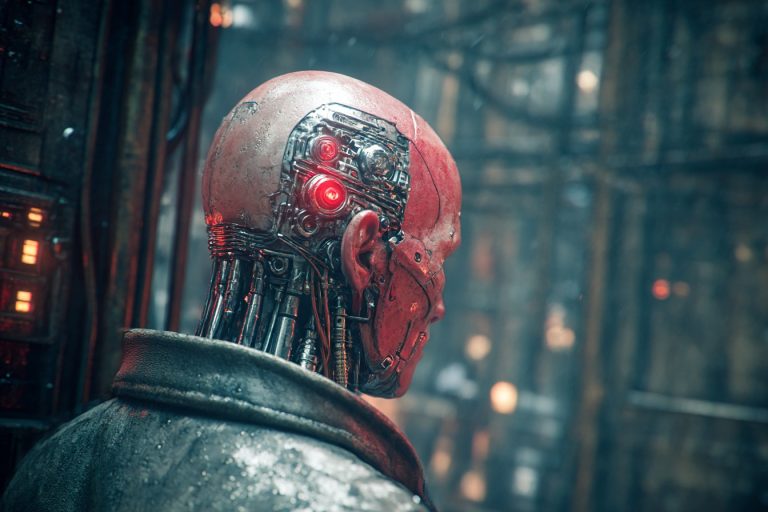

There’s this scene in Videodrome where James Woods’ hand literally develops a VHS slot, and every time I watch it – which is probably more often than I should admit – my students’ faces when I show it in class are priceless. Pure horror mixed with fascination. Last week I screened it for my advanced lit class as part of our media criticism unit, and this one kid actually jumped back from the screen during that sequence. No CGI, just brilliant practical effects and makeup work that still makes people genuinely uncomfortable forty years later.
I’ve been thinking a lot lately about why 80s sci-fi films pack such a punch compared to modern blockbusters, especially after trying to explain to my teenagers why Blade Runner matters more than the latest Marvel release. Don’t get me wrong – I enjoy a good superhero flick as much as anyone, but there’s something fundamentally different about how 80s sci-fi approached storytelling that we’ve largely lost in our current franchise-obsessed landscape.
The thing that strikes me most about rewatching these films is how physical everything feels. I mean, when I first saw Blade Runner as a teenager – snuck it past my parents because they thought sci-fi was “too violent” – I wasn’t prepared for how lived-in that world felt. The Tyrell Corporation pyramid wasn’t just impressive architecture; you could practically smell the smog and feel the dampness creeping through the walls. Scott and his production team built environments that felt broken-down and used, where technology hadn’t solved humanity’s problems but had just created more complicated versions of the same old issues.
What really got to me wasn’t the flying cars or even the whole “are replicants human” question that everyone focuses on. It was how unglamorous the future looked. Deckard’s apartment is cramped and cluttered with newspapers and personal junk. Those spinner cars look cool but also kind of beat-up, like they need maintenance. Everything suggests that progress doesn’t equal perfection – it’s just another iteration of human messiness with fancier gadgets layered on top.
I actually spent part of last summer helping a friend restore some vintage synthesizers from that era – those chunky Moogs and ARPs with all the knobs and patch cables – and it hit me how much that aesthetic shows up in 80s sci-fi design. The filmmakers weren’t imagining some impossibly distant future; they were extrapolating from the technology around them, pushing it just far enough to feel plausible but strange. Those blinking control panels in Alien, the mechanical sounds everything makes in The Terminator – it’s all based on real electronic equipment from the late 70s and early 80s.
Cronenberg understood this better than almost anyone, which is probably why his films still feel so unsettling. The Fly isn’t really about teleportation technology; it’s about losing control of your own body, watching yourself transform into something unrecognizable. But those telepods look like something that could actually exist in a well-funded research lab. They’re not sleek and Apple-like; they’re industrial and mechanical, full of visible components and blinking status lights that you can imagine humming and clicking as they operate.
I tried recreating some of those pod effects for a student film project a couple years back – complete disaster, by the way. My fog machine kept overheating during the climactic scene, and the LED strips I’d wired up kept shorting out every time we turned on the main lights. But the experience taught me something important about why those 80s effects work so well: they’re grounded in actual, physical phenomena. When Seth Brundle steps out of that pod, you’re seeing real steam, real sparks, actual mechanical movement. Your brain processes it as authentic because, on some fundamental level, it is authentic.
This makes a huge psychological difference that modern blockbusters rarely achieve. Everything today gets polished in post-production until it’s technically perfect but emotionally weightless. Characters interact with green screens, battle CGI creatures, pilot digital spacecraft that exist only in computers. It looks incredible, sure, but something essential gets lost – that sense of physical consequence, of genuine danger and discomfort that comes from dealing with real objects in real space.
In The Thing, Kurt Russell and the cast are actually cold, actually uncomfortable, actually startled by Rob Bottin’s practical creature effects happening right in front of them. Those transformation sequences are disturbing partly because they’re physically present on set, dripping actual goo and moving with real mechanical components. The actors’ reactions feel genuine because they are genuine – nobody had to imagine what they were responding to.
I’ve probably shown The Thing to students more than any other film, and I’m still not entirely sure how some of those transformations work. The chest-burster scene, that whole dog kennel sequence – they’re marvels of ingenuity and craftsmanship that would be prohibitively expensive to create today when studios can just outsource everything to digital effects houses for a fraction of the cost.
But it’s not just about practical versus digital effects. The best 80s sci-fi had this willingness to explore genuinely disturbing ideas without softening them for mass market appeal. They Live presents a world where consumerism functions as literal mind control, and Carpenter doesn’t pull back from that concept’s implications. Videodrome suggests that media consumption can physically reshape your brain, and Cronenberg follows that premise to its logical, horrifying conclusion.
These films trusted their audiences to handle complex, unsettling material without extensive explanation or easy resolution. The paranoia running through Invasion of the Body Snatchers, the body horror of Scanners, the existential dread permeating The Terminator – these weren’t just plot devices or cool visual moments. They were serious explorations of cultural anxiety about technology, identity, and social transformation that people were actually experiencing in the real world.
Modern sci-fi blockbusters rarely take those kinds of creative risks. They might reference darker themes or social commentary, but they usually resolve everything with action sequences or reassuring speeches about human resilience and the power of friendship. The 80s films were perfectly comfortable leaving audiences disturbed, uncertain, maybe even a little traumatized by what they’d just experienced.
Most popular

I think about this constantly when I’m working with my students on creative writing projects or just trying to understand why certain films stick with people across decades. The revolutionary quality of 80s sci-fi wasn’t purely technical – it was philosophical. These filmmakers weren’t afraid to suggest that the future might be genuinely alien, genuinely threatening, genuinely transformative in ways we might not want to accept or adapt to.
That’s what still feels revolutionary about them today. In our current era where technology becomes increasingly invisible and seamlessly integrated into daily life, these films remind us that progress always comes with costs we don’t anticipate, that the future won’t necessarily be comfortable or easily comprehensible, and that the most important questions aren’t about what we can build, but about what we’re willing to become in the process. My students might roll their eyes when I get passionate about practical effects and analog synthesizers, but they definitely understand that last part – they’re living it every day with social media and smartphones reshaping how they think and relate to each other. Maybe that’s why these old films still hit so hard.

Diane teaches English in Philadelphia and uses sci-fi to make teenagers care about literature. She writes about how the genre reflects real-world anxieties—from climate fears to social rebellion—with humor, warmth, and the occasional classroom story.