

Last week I found myself watching *City of God* again, but this time something clicked differently. Not the crime drama everyone talks about—the sci-fi undercurrent running beneath it all. The favelas weren't just poverty-stricken neighborhoods; they were testing grounds for a future nobody wanted to acknowledge. Brazil has this knack for making the impossible feel inevitable, and their science fiction doesn't just imagine tomorrow—it dissects today with a scalpel made of dark humor and impossible geometries.
I've been fascinated by Brazilian speculative fiction ever since I stumbled across *The Machine Stops* in a São Paulo bookshop three years ago. Not Forster's classic—a local adaptation that reimagined the story in a vertical favela where each floor existed in a different decade. Brilliant, unsettling stuff.
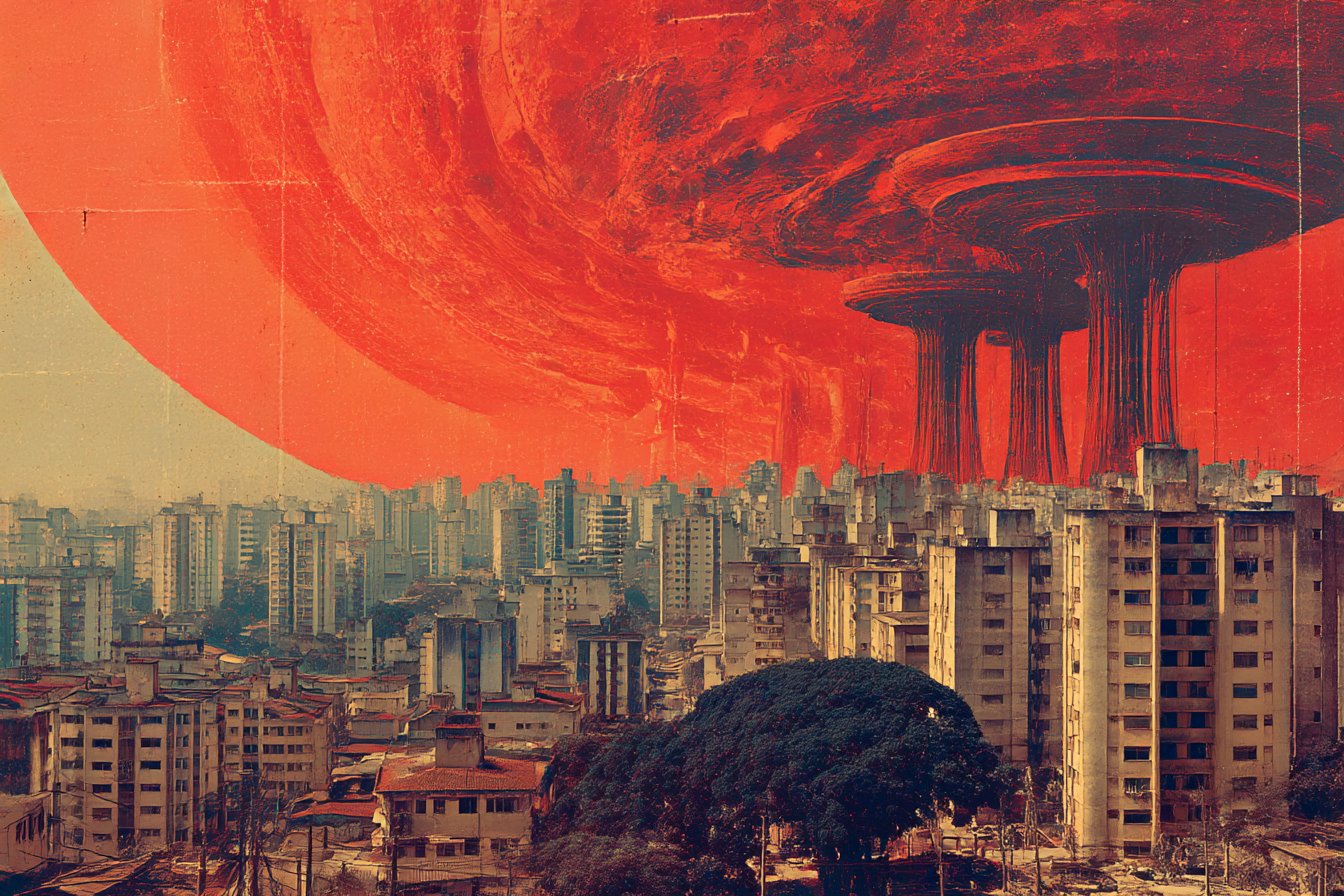
The author took Forster's isolated pods and turned them into a metaphor for social stratification that felt both futuristic and achingly familiar.
Brazilian sci-fi doesn't play by the same rules as American or British speculative fiction. Where we might build elaborate alien worlds or distant futures, Brazilian writers seem more interested in finding the alien qualities already embedded in their reality. Take the works of Fausto Fawcett—his cyberpunk novels read like fever dreams, but scratch the surface and you'll find sharp critiques of urban planning, class warfare, and the violence of modernization. It's surrealism with teeth.
I tried explaining this to my sister once. She's always been skeptical of science fiction ("Why not write about real problems?"), so I showed her clips from *Brazil* and *Bacurau*. Two hours later, she was asking me for reading recommendations. Something about the way Brazilian creators blend the fantastical with the political clicked for her in ways that traditional sci-fi never had.
The secret, I think, lies in their approach to dystopia. Most Western sci-fi presents dystopia as a warning—*this could happen if we're not careful*. Brazilian speculative fiction treats dystopia as a given, then asks: "Okay, now what do we do?" It's a fundamentally different question, and it produces fundamentally different stories.

Consider *Bacurau*, which technically isn't sci-fi but operates with sci-fi logic throughout. The film presents a near-future Brazil where a small town faces an existential threat, but the real genius is how it makes the absurd feel reasonable through careful world-building. The flying saucers aren't explained because they don't need to be—in a world where reality is already fractured, why wouldn't there be UFOs?
I've spent months trying to reverse-engineer this approach in my own writing. How do you make surrealism feel grounded? Part of it comes down to consistency—if your world operates by dream logic, it has to be the same dream logic throughout. But more importantly, the surreal elements need to serve emotional truth, not just spectacle. When Bacurau's residents face their crisis, the town's strange qualities (the missing road signs, the time discrepancies, the mysterious technology) all reflect deeper themes about identity, memory, and resistance.
You Might Also Like

Brazilian creators also understand something about class that many sci-fi writers miss. Technology doesn't distribute evenly, and the future won't either. In their stories, the wealthy live in climate-controlled towers while the poor navigate flooded streets—except the poor have also developed incredible adaptations. It's not just inequality; it's speciation.
I remember reading an interview with a Brazilian game designer who talked about creating a cyberpunk RPG set in a futuristic Rio. Instead of the usual neon-and-chrome aesthetic, they focused on how people would modify existing infrastructure. Favela construction techniques applied to vertical cities. Street vendors selling black-market neural implants. It felt more plausible than most cyberpunk precisely because it grew from existing realities rather than imported stereotypes.
The satirical element is crucial here. Brazilian speculative fiction often feels like elaborate jokes being played on the concept of progress itself. *The Machine Stops* adaptation I mentioned? The different floors weren't just different decades—they were different promises about what the future would bring. Floor fifteen was the 1950s vision of flying cars and domestic robots. Floor thirty-seven was the 1980s prediction of virtual reality and global networks.
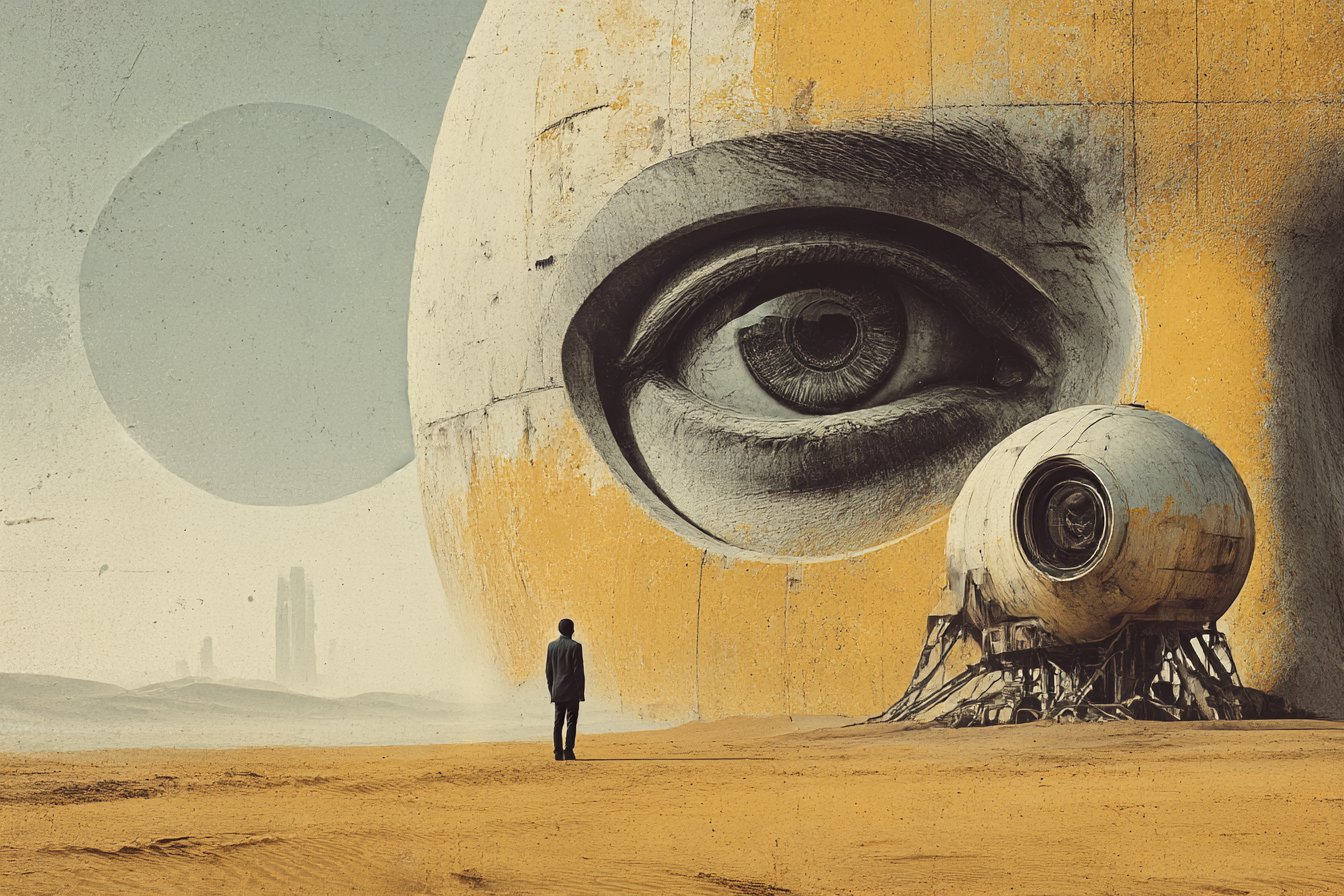
But as you moved up the building, you realized each "future" was actually a prison, and the residents were trapped by their own expectations of progress.

This satirical approach allows Brazilian creators to explore heavy themes without becoming preachy. When reality is already surreal, science fiction becomes a way of making that surrealism visible. It's like holding up a funhouse mirror to a world that's already distorted—suddenly you can see the shapes more clearly.
What strikes me most about Brazilian speculative fiction is its relationship to time. Where American sci-fi often treats the future as either salvation or catastrophe, Brazilian works seem more interested in cyclical time, circular narratives, the way the past keeps reasserting itself in new forms. It's not linear progress; it's spiral progress—we keep returning to the same problems at different altitudes.
I've started incorporating some of these techniques into my own work. Instead of building futures from scratch, I'm trying to find the science fictional elements already present in contemporary life, then amplifying them until they become impossible to ignore. It's trickier than it sounds—the line between "heightened reality" and "silly nonsense" is thinner than you'd expect.
But when it works, Brazilian-style speculative fiction creates something uniquely powerful: stories that feel both completely fantastical and absolutely true. They remind us that the future isn't something that happens to us—it's something we're already living through, one surreal day at a time.

0 Comments