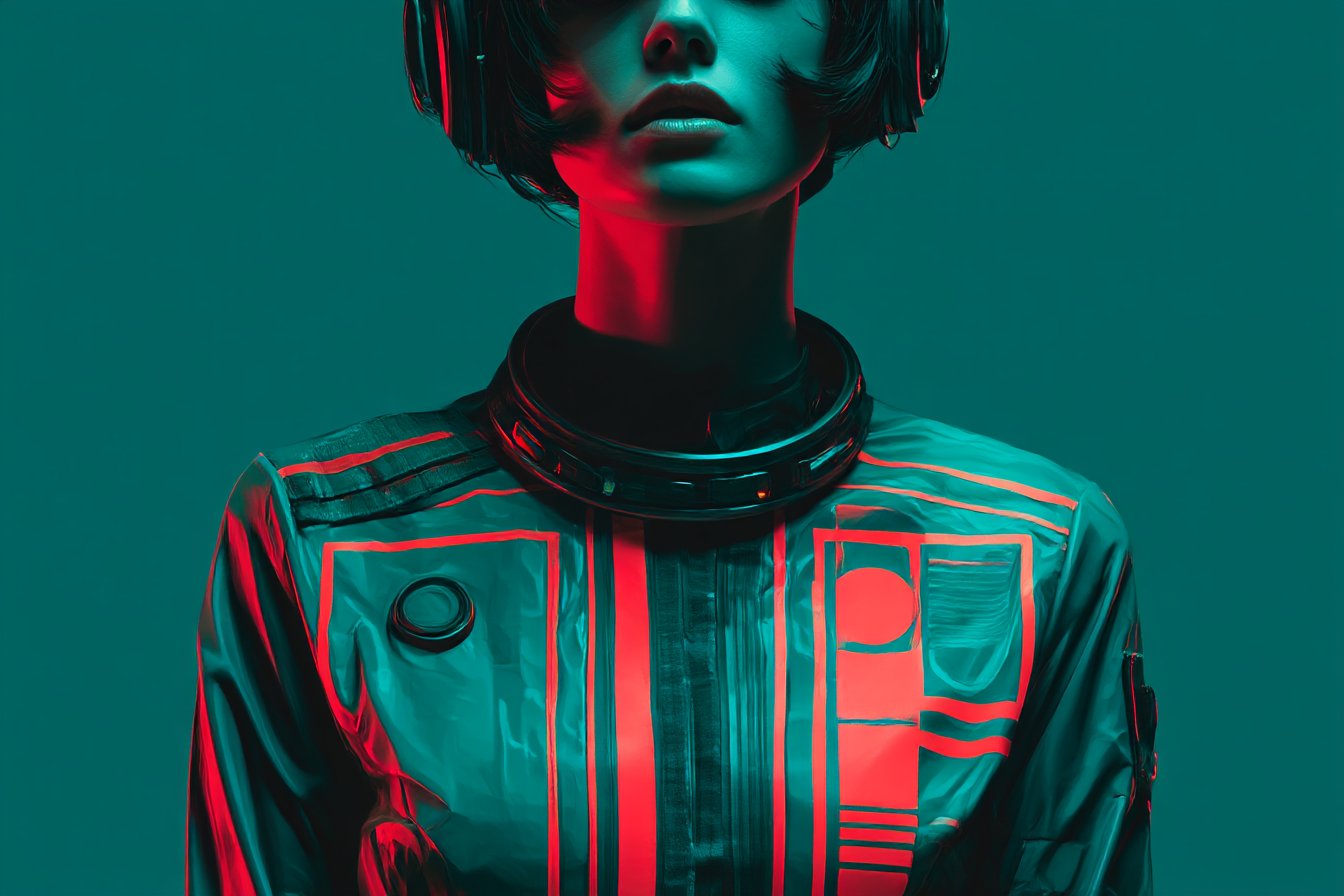

You know that moment when you’re watching a sci-fi film and something just feels *wrong* about what the characters are wearing? Maybe it’s too clean, too obviously “costume-y,” or weirdly impractical for their supposed lifestyle. I had this exact reaction watching a recent space thriller where the protagonists were supposedly roughing it on a mining station, yet their jumpsuits looked like they’d been pressed five minutes before filming. Real miners get dirty. Real spacesuits show wear patterns.
That disconnect between what we see and what we’d expect got me thinking about costume design in science fiction, particularly for those of us creating characters for stories, games, or films.
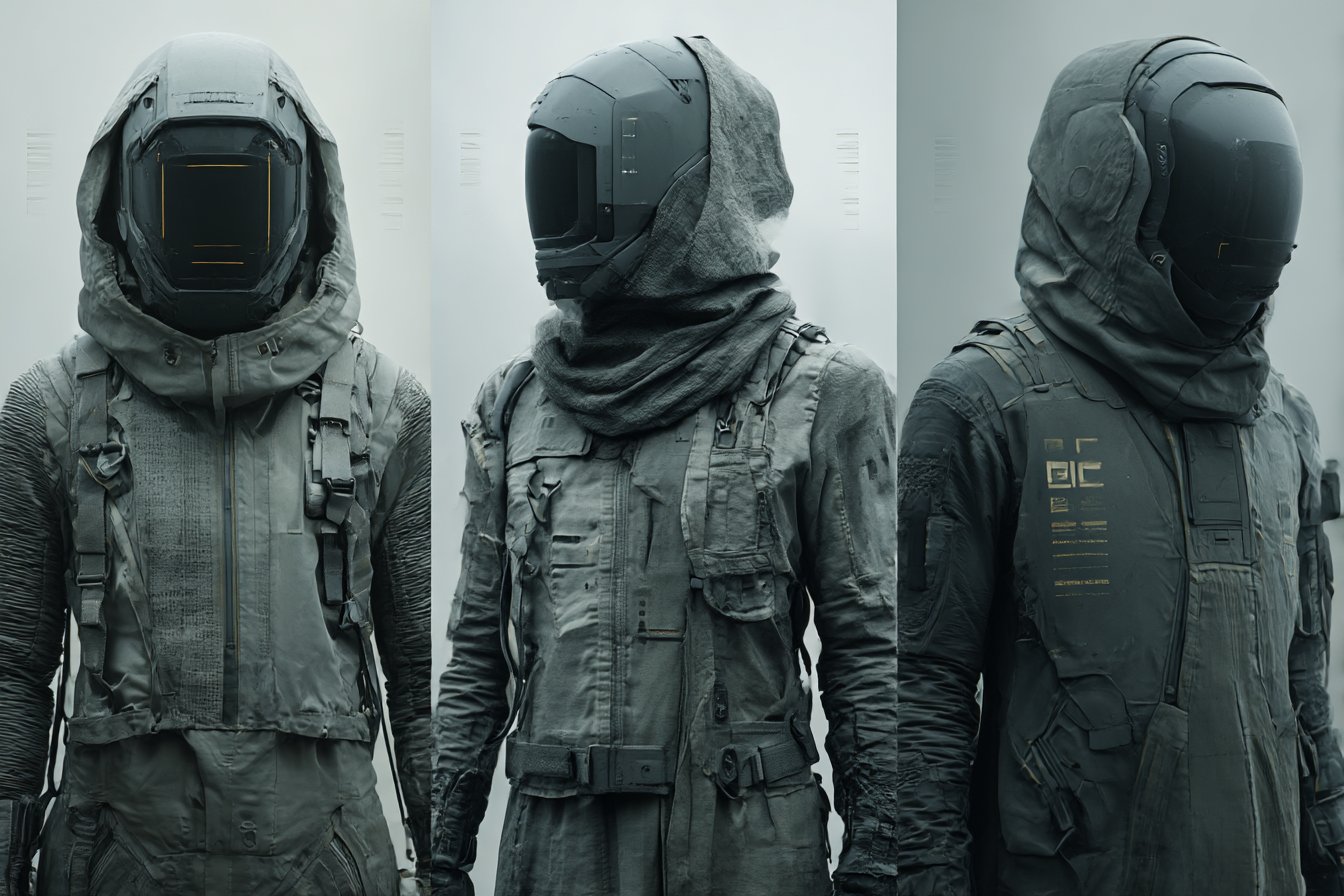
I’ve spent years sketching out ideas for futuristic clothing while working on various projects, and I’ve learned that the best sci-fi outfits aren’t just “regular clothes but shinier” – they’re thoughtful responses to imagined environments and technologies.
The trick starts with asking yourself: what problems would clothing need to solve in this future world? When I was designing concepts for that space station game mod I mentioned, I kept a folder of reference photos from actual industrial settings. Oil rigs, submarine interiors, clean rooms, mining operations. The patterns were obvious once you looked: everything had reinforced stress points, easy-access pockets for tools, and materials that could handle specific environmental challenges.
For space environments, you’re dealing with low gravity, recycled air, and probably limited washing facilities. That immediately suggests clothing that doesn’t rely on traditional draping (gravity helps fabric hang properly), fabrics that resist odor buildup, and probably fewer loose elements that could float around and get caught in equipment. I started sketching jumpsuits with strategic elastic bands and magnetic closures – not because they looked futuristic, but because they made practical sense.
Climate considerations matter enormously too. If your story takes place on a desert planet, flowing robes aren’t just aesthetic choices – they’re survival gear. But what if that desert planet has frequent electrical storms? Now you need anti-static properties built into the fabric. What if the sand contains corrosive minerals? Your materials science has to adapt. These constraints actually make costume design more interesting, not more limiting.
I learned this lesson the hard way while trying to create a “realistic” cyberpunk outfit for a convention. My first attempt looked like I’d raided a costume shop and added some LED strips. Embarrassing, honestly. The problem was I’d focused on the visual markers of the genre without thinking about function. Real cyberpunk clothing would probably prioritize concealment of tech, electromagnetic shielding for sensitive devices, and quick-change capabilities for someone living outside legal systems. When I redesigned with those constraints in mind, the outfit immediately looked more authentic.
The best sci-fi costumes often borrow from unexpected sources. Military gear, medical equipment, sports clothing, work uniforms – they’ve all been tested against real-world demands. I keep a collection of images from these fields, not to copy directly, but to understand how form follows function. Paramedic uniforms, for instance, have incredibly well-thought-out pocket placement and quick-access features. Racing suits show how to make something both protective and flexible. Hazmat gear demonstrates creative solutions for environmental isolation.
You Might Also Like

Materials tell stories too. A character wearing obviously expensive synthetic fabrics suggests different circumstances than someone in patched natural fibers. But here’s where it gets interesting – in your imagined future, which materials would be expensive and which would be cheap? If petroleum-based synthetics become rare, maybe organic cotton becomes the luxury choice. If genetic engineering makes spider silk commonplace, traditional leather might become exotic and costly.
Weathering and wear patterns are absolutely crucial. Nothing screams “costume” like perfectly pristine clothing in a supposedly harsh environment. But the wear needs to make sense. Sleeves show rubbing where they contact work surfaces. Knees wear out on crawlers and climbers. Pockets sag where tools are carried. I actually took my favorite work jacket and studied how it had aged over three years – the information was incredibly useful for adding realistic aging to costume pieces.
Color choices aren’t just aesthetic either. Bright colors might seem futuristic, but they also make you visible – great for safety workers, terrible for smugglers. Earth tones help you blend into natural environments, but what if your future world has purple vegetation? The environment should influence the color palette as much as style considerations do.
Technology integration offers fascinating possibilities without going overboard. Instead of covering everything in LEDs, think about subtle tech integration. Conductive threads that could carry data or power. Fabrics that change opacity or temperature. Smart materials that adapt to conditions automatically. The key is restraint – one or two thoughtful tech features feel more believable than a Christmas tree of blinking lights.
I’ve found that the most convincing futuristic outfits feel like logical evolution rather than radical departure. They solve problems we can understand while incorporating reasonable technological advances. When someone looks at your design and thinks “yeah, that makes sense,” you’ve succeeded.
Personal touches matter enormously too. Mass-produced future clothing might be highly functional, but people personalize their belongings. How would someone in your imagined world customize their outfit? Patches, modifications, accessories that reflect their personality or status? These details make characters feel human rather than like uniform-wearing extras.
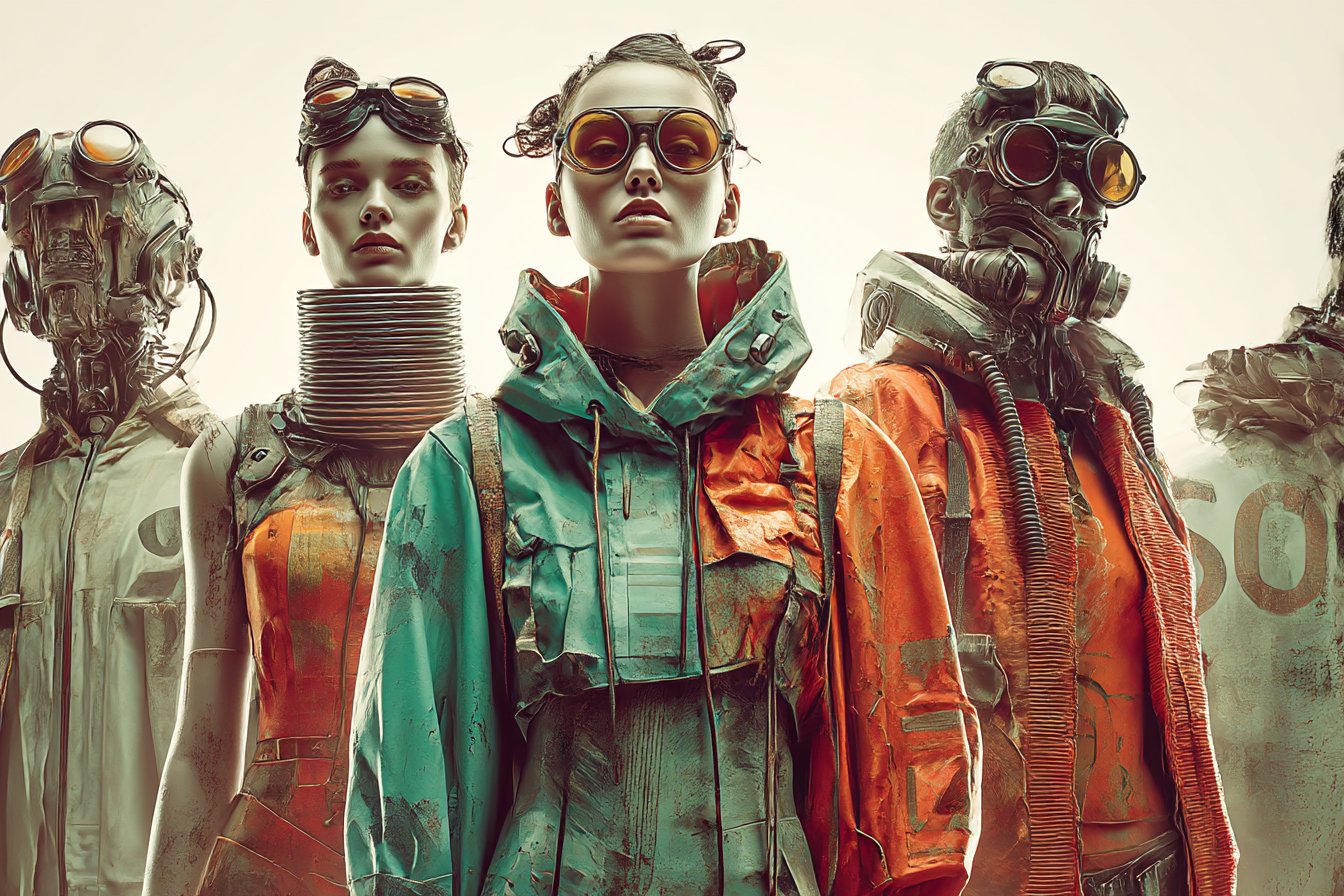
The best test I’ve found is practicality. Could your character actually live and work in this outfit? Can they move naturally? Access what they need? Stay comfortable in their environment? If you’re designing something that looks great but would be miserable to actually wear, you might need to reconsider your approach.
Creating believable sci-fi clothing isn’t about predicting the future perfectly – it’s about creating something that feels thoughtfully designed for the world you’re building. When every element serves both story and function, you get costumes that enhance rather than distract from your narrative.

0 Comments