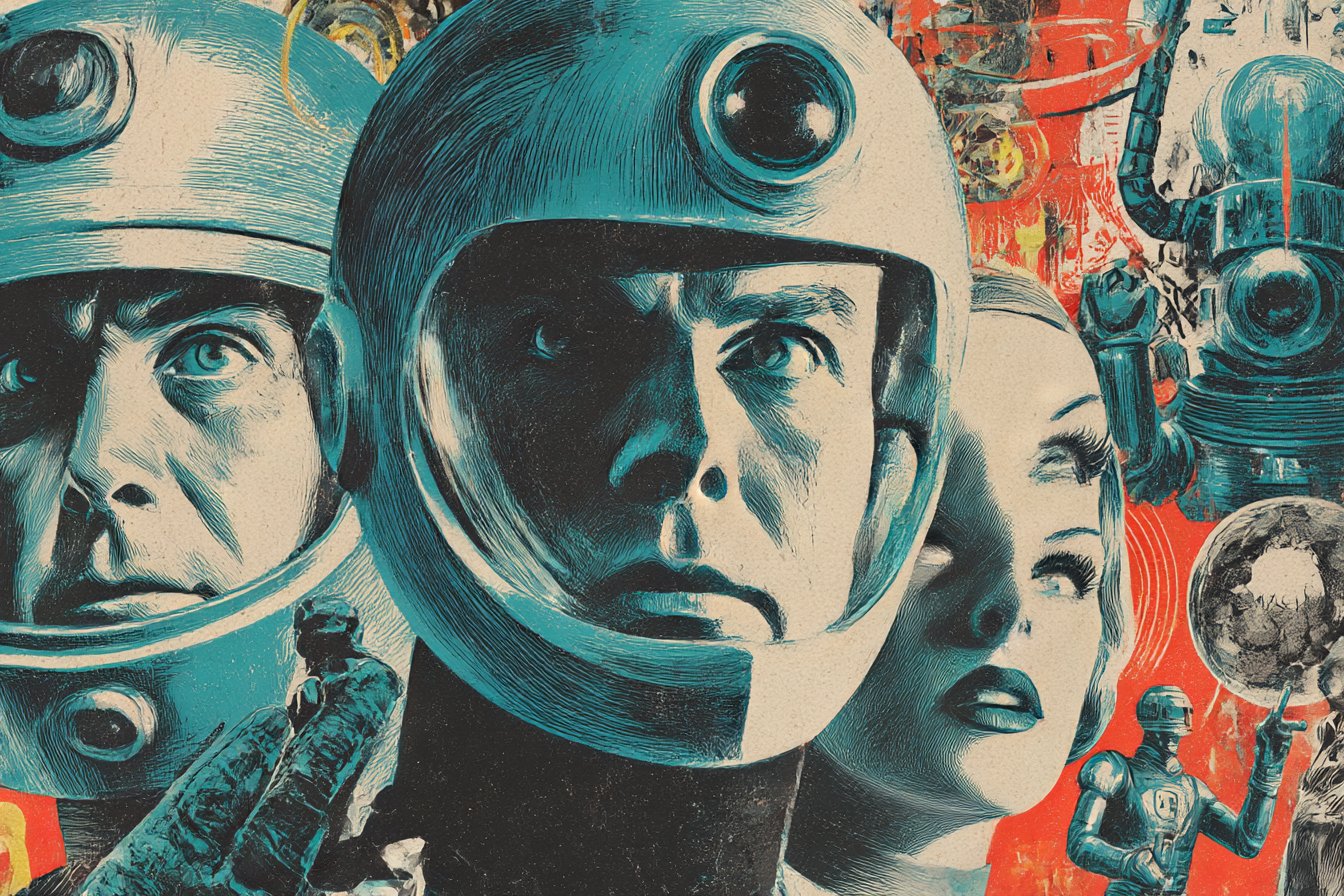

I was fifteen when I first stumbled across Mystery Science Theater 3000 during a late-night channel surf. There I was, expecting maybe some old B-movie to fall asleep to, when instead I found three silhouettes at the bottom of the screen absolutely demolishing “Manos: The Hands of Fate.” Within ten minutes, I was laughing so hard my parents banged on the bedroom wall. But more than that — I was learning something fundamental about how we engage with stories.
See, MST3K didn’t just mock bad movies. It taught an entire generation how to be active participants in media consumption rather than passive recipients. Before Joel and the ‘bots, most of us watched films quietly, maybe whispering the occasional comment to whoever sat next to us.
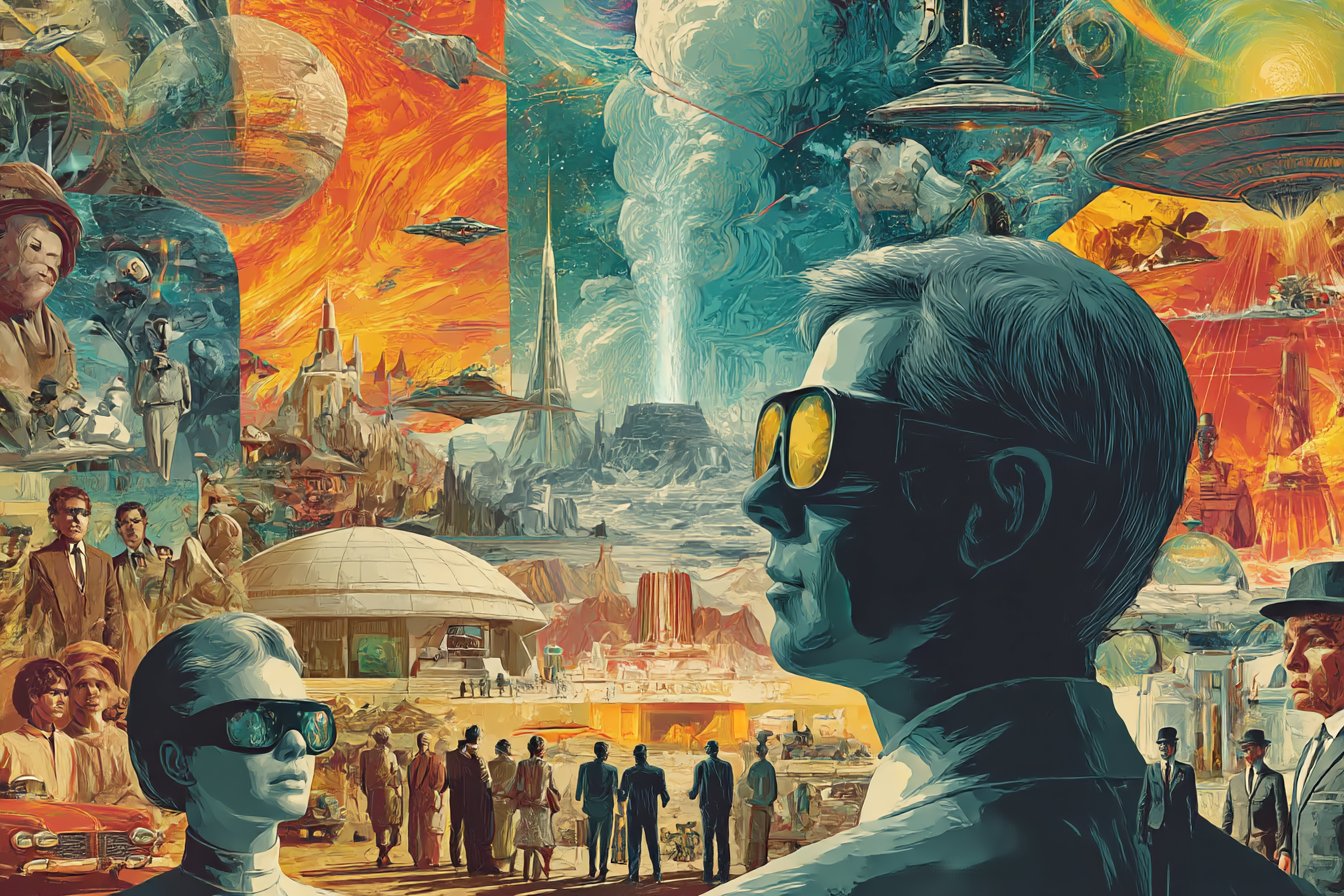
MST3K said: no, talk back to the screen. Question everything. Make it better through your own wit.
I remember trying to recreate that experience with friends during our weekly sci-fi movie nights. We’d rent something truly awful — “Robot Monster” or “Plan 9 From Outer Space” — and attempt our own running commentary. It never quite worked the same way. The magic wasn’t just in the jokes; it was in how the show created this perfect balance between genuine affection for the source material and merciless criticism of its flaws.
What struck me most was how the show treated even the worst films with a kind of respect. Sure, they’d tear apart the wooden acting and nonsensical plots, but there was always this underlying appreciation for the ambition, however misguided. Someone made this thing. Someone had ideas about rocket ships and alien invasions and the future of humanity. The execution might’ve been terrible, but the spark of imagination was real.
This approach fundamentally changed how I watch sci-fi. Instead of just absorbing what’s on screen, I find myself constantly asking: what were they trying to achieve here? Why did they make this choice? What would I do differently? It’s active viewing, not passive consumption.
The cultural impact was enormous. MST3K essentially invented what we now recognize as “ironic viewing” — the practice of enjoying something precisely because it’s bad. But it went deeper than that. The show created a template for how fan communities could engage with media. Forums and early internet communities adopted the MST3K approach: detailed, humorous analysis that mixed genuine appreciation with sharp criticism.
I’ve noticed this influence everywhere in modern fan culture. Think about how we discuss movies on social media now. The constant stream of reaction GIFs, the frame-by-frame analysis, the memes that pick apart plot holes — that’s all descended from what MST3K pioneered. The show taught us that being a fan doesn’t mean blind acceptance. You can love something and still acknowledge its problems.
The humor was crucial too. MST3K proved that wit could be educational. I learned more about film history, literary references, and pop culture from those rapid-fire jokes than from any formal education. The writers assumed their audience was smart enough to get references ranging from Bergman films to obscure 1960s TV commercials. They never talked down to viewers.
You Might Also Like

This created what I think of as “elevated mockery.” It wasn’t just cheap shots at bad special effects. The best MST3K riffs worked on multiple levels — commenting on the film’s technical failures, cultural context, and broader themes all at once. A single joke might reference the movie’s obvious budget constraints, the era’s social attitudes, and a classic literature work. Brilliant stuff.
The show’s DIY aesthetic was equally influential. Those simple robot designs, the obvious puppet strings on Crow, the cardboard-and-duct-tape spaceship sets — it all reinforced the message that creativity mattered more than budget. You didn’t need Hollywood resources to make something memorable. Just good ideas and commitment to the bit.
I started noticing MST3K’s influence in places you wouldn’t expect. Video game communities adopted the same approach to critiquing terrible games. YouTube reviewers built entire careers on the MST3K model of affectionate mockery. Even academic film criticism borrowed elements of the show’s approach — the idea that humor and serious analysis aren’t mutually exclusive.
The show also democratized criticism. Before MST3K, film criticism felt like this exclusive club of serious people writing serious things for serious publications. The show said: actually, anyone can analyze movies. Your perspective matters. Your jokes matter. The guy in the video store knows just as much about what makes a story work as the film professor.
This had a huge impact on sci-fi fandom specifically. The genre has always attracted people who love to pick apart world-building, analyze technology, debate character motivations. MST3K gave those tendencies legitimacy and a format. It showed that deep analysis could be entertaining, not just academic.
I think about this whenever I watch modern sci-fi with friends. We’re all unconsciously channeling MST3K — pausing to discuss plot holes, making jokes about questionable physics, debating whether the aliens’ motivations make sense. It’s become our default mode of engagement.
The show’s legacy extends beyond just viewing habits. It influenced how creators think about their work too. Many writers and directors who grew up watching MST3K are hyper-aware of potential criticism. They know their audiences are trained to spot inconsistencies and plot holes.
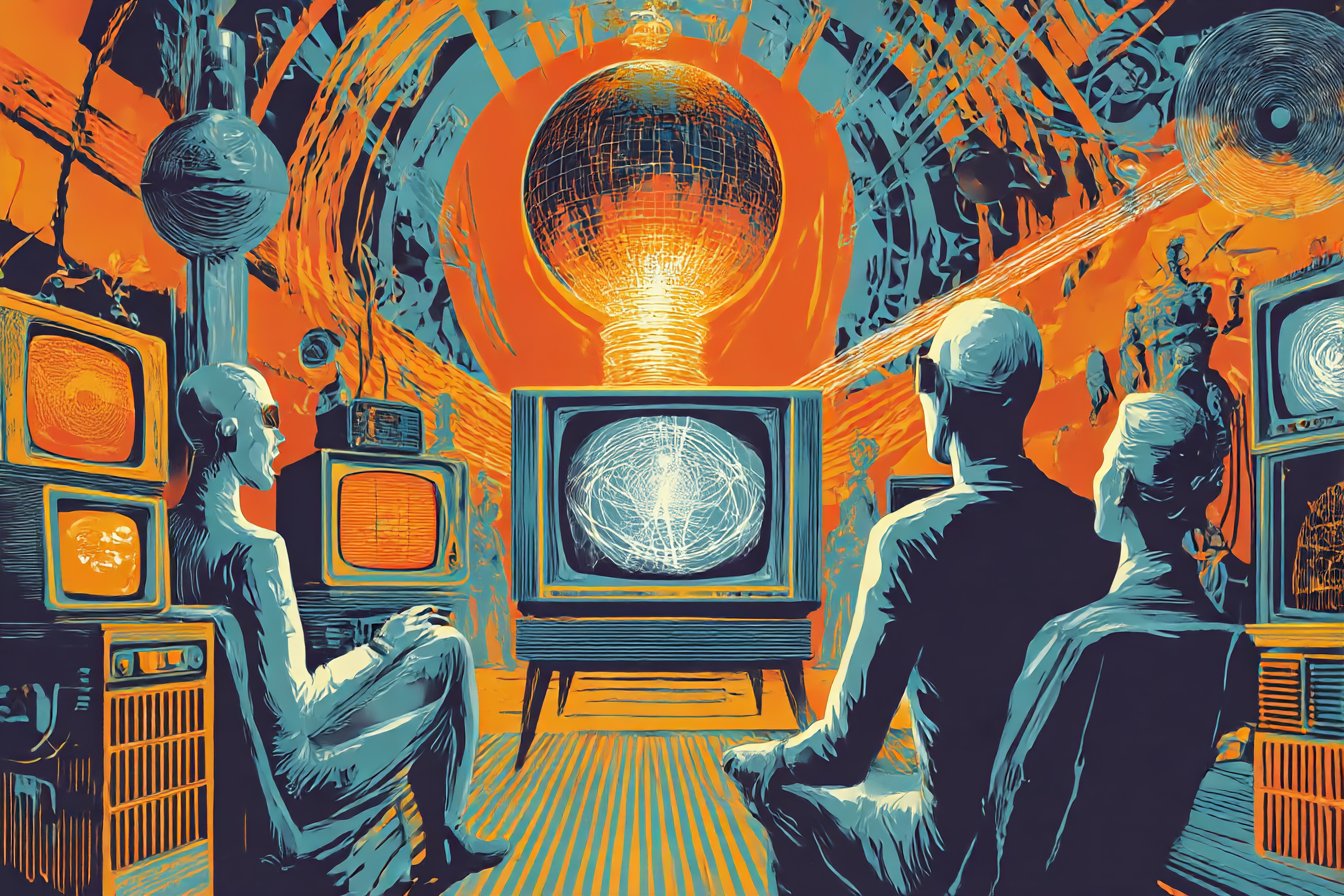
This has generally made sci-fi more thoughtful, more internally consistent.
Of course, there’s a downside. Sometimes the MST3K approach can tip into pure cynicism, where nothing is allowed to be sincere or earnest. The constant need to find flaws can prevent people from just enjoying a story on its own terms. But at its best, the show taught us that engagement and criticism come from love, not hatred.
MST3K proved that the space between creator and audience doesn’t have to be this vast gulf. We’re all just people trying to make sense of stories, whether we’re making them or watching them. Sometimes the most loving thing you can do is point out when something isn’t working — and make everyone laugh in the process.

0 Comments