

You know what's funny? I used to think Tom Cruise was just an action guy who happened to stumble into sci-fi. Then I watched *Minority Report* for the third time last winter, huddled under a blanket during one of those February nights when the heating decides to quit, and something clicked. This wasn't just another movie star grabbing a paycheck from the genre — Cruise actually gets what makes science fiction tick.
I mean, think about it. Most actors treat sci-fi like dress-up, all wide eyes and dramatic gasping at CGI tennis balls. But Cruise?
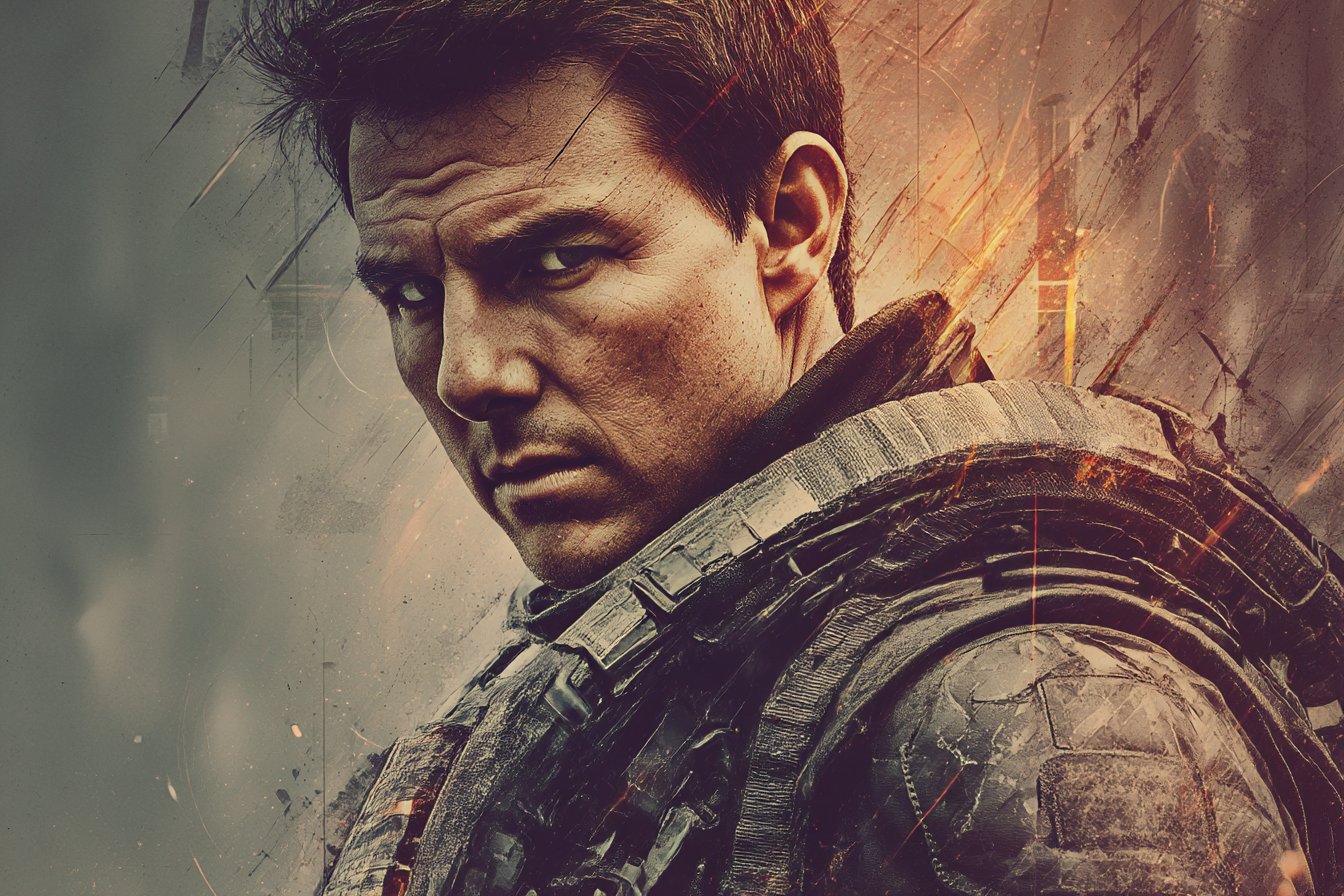
He digs into the emotional core of these impossible situations. Take that scene in *Minority Report* where he's scrambling through his apartment, gathering family photos before the PreCrime unit arrives. The sci-fi premise is wild — psychic mutants predicting murders before they happen — but Cruise plays it like a regular guy whose life just fell apart. That's the sweet spot right there.
*Edge of Tomorrow* might be his masterpiece in the genre, though. I'll admit, when I first heard "Tom Cruise in a time loop movie," I rolled my eyes. Sounded like *Groundhog Day* with explosions. But here's the thing — Cruise nails the progression from cocky PR flack to genuine soldier in a way that feels earned. Each reset isn't just a plot device; it's character development compressed into violent, repetitive chunks. I've watched that beach landing sequence probably fifteen times now (not because I'm stuck in a time loop, thankfully), and you can track his evolution just through body language. Early loops? He's all panic and flailing. Later ones? Economical movement, calculated risks. It's acting through physicality, which Cruise has always excelled at.
The film works because it takes its premise seriously without drowning in exposition. We don't need lengthy explanations about how the Omega aliens manipulate time — we just need to believe that this guy is trapped, learning, adapting, dying, repeat. Rita's line about "come find me when you wake up" hits differently when you realize she's essentially asking him to fall in love with her over and over, knowing she'll forget each time. That's heartbreaking stuff wrapped in a summer blockbuster.
*War of the Worlds* catches flak for that ending (yeah, I know, convenient bacteria), but Cruise's performance as a deadbeat dad suddenly responsible for everything? Solid gold. Spielberg and Cruise understood that alien invasion stories work best when they're really about family, survival, responsibility — all the messy human stuff that actually matters. The tripods are terrifying, sure, but the real horror is watching a guy who can barely handle weekend custody suddenly become the only thing standing between his kids and extinction.

I remember arguing with my friend Dave about this movie over pints at the local pub. He insisted the whole thing fell apart because the aliens' plan made no sense. "Why bury the machines millions of years ago but wait until now to activate them?" Fair point. But I countered that the film isn't really about the aliens' strategy — it's about watching Tom Cruise's character transform from selfish to selfless under impossible pressure. The sci-fi elements serve the human story, not the other way around.
You Might Also Like

*Vanilla Sky* gets weird, I'll give you that. Reality bending, cryogenic dreams, technology that blurs the line between life and digital afterlife — it's heady stuff that could've easily become pretentious nonsense. But Cruise commits fully to the confusion and horror of not knowing what's real. When he's screaming in that mask, or desperately trying to piece together his fractured memories, he sells the psychological terror of losing your grip on reality itself. The movie asks big questions about identity, consciousness, and what we'd sacrifice for a perfect life, and Cruise makes those questions feel personal rather than philosophical.
Here's what I think separates Cruise's sci-fi work from his action franchises: vulnerability. Sure, Ethan Hunt gets roughed up in *Mission: Impossible*, but he's always in control, always has a plan. In the sci-fi films, Cruise plays characters who are fundamentally out of their depth. They're not superheroes; they're regular people (well, relatively regular) thrown into extraordinary circumstances and forced to adapt or die.
*Oblivion* might be the weakest of his sci-fi efforts, but even there, Cruise brings something interesting to the table. Playing a guy who discovers his entire reality is a lie — that he's essentially a clone maintaining machines for alien overlords — could've been pure exposition delivery. Instead, Cruise finds the tragedy in Jack Harper's situation. This is a man falling in love with the same woman over and over, never knowing he's done it before. When he finally breaks free from his programming, it's not through some magical revelation but through accumulated doubt and half-remembered emotions. Cruise plays it like a man waking up from a dream he didn't know he was having.

The throughline in all these films? Cruise treats the sci-fi elements as fundamentally real within their worlds. He doesn't wink at the camera or play things for camp. When he's running from PreCrime officers, he's genuinely terrified. When he's caught in that time loop, he's authentically frustrated, then determined, then desperate.

That commitment sells the impossible stuff because we believe he believes it.
What really impresses me is how these films use their high concepts to explore very human themes. Identity, responsibility, sacrifice, love, loss — the sci-fi trappings amplify these emotions rather than drowning them out. Cruise seems to understand that the best genre work isn't about the gadgets or the aliens or the time travel; it's about what those things reveal about us.
Looking back, these movies form an interesting arc in Cruise's career. They show an actor willing to grapple with big ideas and complex emotions, not just deliver quips while hanging off helicopters. Don't get me wrong — I love a good *Mission: Impossible* film as much as anyone. But his sci-fi work reveals depths that straight action doesn't always allow for.
They're films worth revisiting, honestly. Each viewing reveals new details, new layers. And isn't that what good science fiction should do?

0 Comments