

The first time I watched *The Matrix* in a dingy cinema in Reading, I remember thinking two things: one, those bullet-time sequences were absolutely mental, and two, this wasn't just another shoot-'em-up with fancy effects. Sure, Neo was dodging bullets and beating up agents, but underneath all that leather and slow-motion, the film was asking proper uncomfortable questions about reality, choice, and what it means to be human. That's when I realised that the best action sci-fi doesn't just blow things up in space — it uses the explosions to make you think.
I've spent years trying to figure out what makes some sci-fi action films stick with you long after the credits roll, while others fade faster than a cheap poster left in sunlight. It's not just about bigger budgets or flashier effects, though those certainly help. The films that really work — the ones that keep me scribbling notes in my worn notebook at 2 AM — are the ones that ground their wildest ideas in something recognisably human.
Take *Edge of Tomorrow*, for instance. On paper, it sounds ridiculous: Tom Cruise gets stuck in a time loop during an alien invasion, dying and respawning like a video game character.
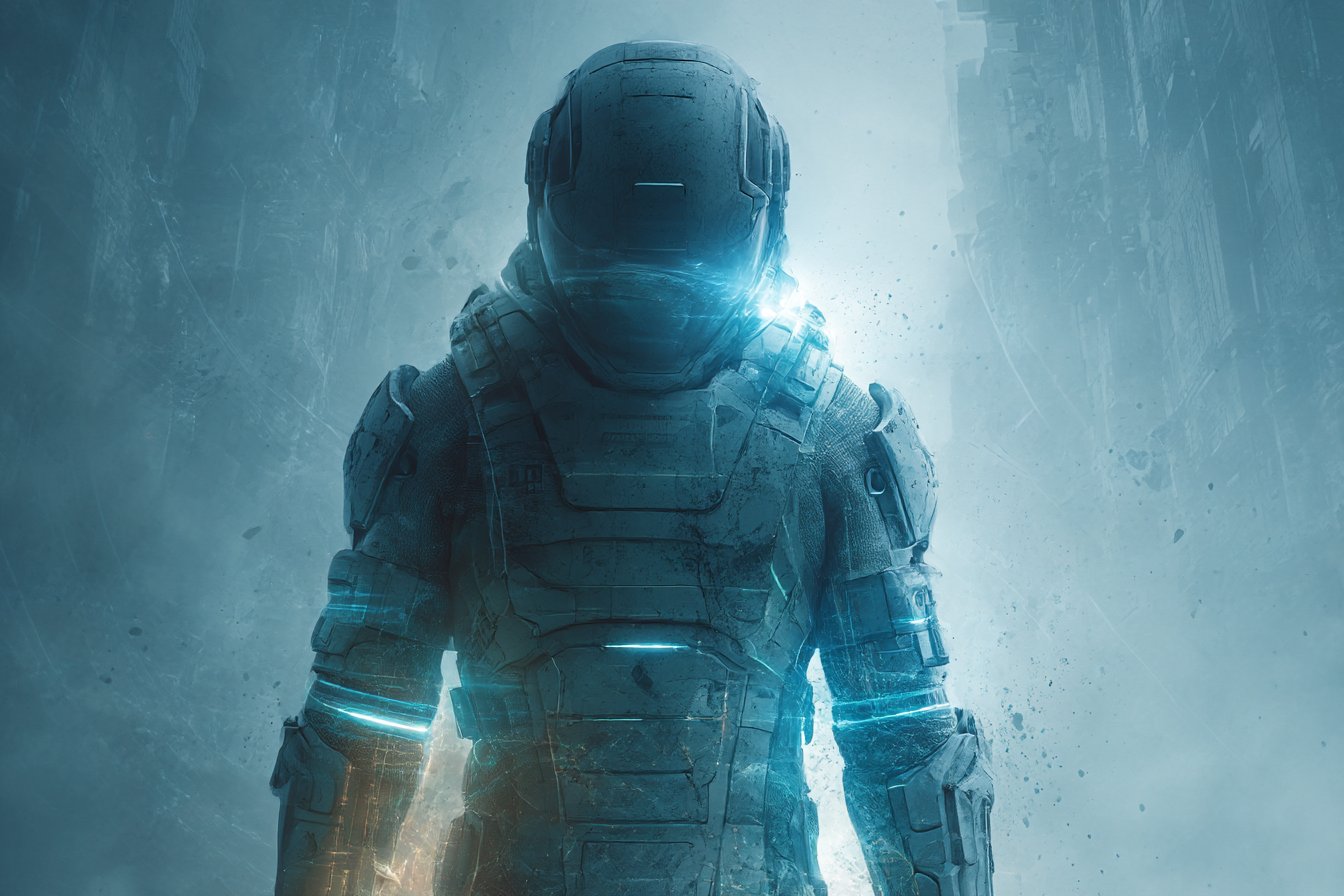
But the genius isn't in the concept itself — it's how the film uses that concept to explore muscle memory, the weight of repeated failure, and what happens when someone who's never been good at anything suddenly has infinite chances to get it right. The action sequences become more than just spectacle; they're character development disguised as entertainment.
I remember trying to explain this to my sister over Sunday lunch last year. She rolled her eyes when I started going on about how the film's training montages weren't really training montages at all, but studies in frustration and gradual mastery. "You're overthinking it," she said, reaching for the gravy. Maybe. But that's exactly what good sci-fi action should do — it should reward overthinking, not punish it.
The thing about combining action with speculative ideas is that both elements have to pull their weight. Pure action without interesting concepts gets boring fast — how many identical car chases can you really sit through? But fascinating concepts without proper execution just leave you feeling cheated, like when someone describes an amazing dream but can't quite capture why it felt so vivid. The sweet spot is when the action serves the ideas and the ideas justify the action.

*Mad Max: Fury Road* nailed this balance perfectly. George Miller didn't just create stunning vehicular mayhem; he built a world where every modified car, every scarred face, every drop of water tells a story about survival and hope. The chase isn't just a chase — it's a mobile ecosystem, a commentary on resource scarcity, a study in what people become when civilisation crumbles. When Furiosa shifts gears, she's not just driving; she's making a statement about agency in a world designed to strip it away.
What I find fascinating is how these films handle the technical side of their imagination. The best ones don't just wave their hands and say "it's the future, anything goes." They establish rules, even if those rules are completely bonkers. In *Pacific Rim*, giant robots fighting giant monsters sounds absurd until you see how Guillermo del Toro thought through the physics of it all — the neural bridges, the drift compatibility, the way massive mechanical joints move differently from human ones. The action becomes believable because someone clearly sat down and worked out how a 200-foot robot would actually punch something.
You Might Also Like

This attention to plausible impossibility extends to the smaller details too. I love how *Blade Runner 2049* shows us a future Los Angeles where massive holograms advertise things, but they still flicker and glitch like any other display technology. The flying cars move with weight and purpose, not like they're floating on invisible wires. Even K's apartment feels lived-in, with that wonderful detail of him carefully placing his coat on a chair that might not be there when the hologram system cycles off. These touches make the spectacular feel tangible.
Of course, not every attempt hits the mark. I can't count how many sci-fi action films I've watched that front-load all their interesting ideas into the first act, then abandon them for generic punching and explosions. It's like watching someone set up an elaborate chess game, then sweep all the pieces off the board and start throwing them at each other instead. The worst offenders are the ones that clearly had brilliant concepts but got scared of committing to them fully.
*Minority Report* almost fell into this trap, but Spielberg kept pulling it back from the brink. Yes, there are chase sequences and Tom Cruise running (because apparently that's contractually required), but every action beat reinforces the central questions about free will and predestination. When John Anderton is climbing through those vertical car factories, he's not just escaping — he's literally trying to outrun his own predicted future. The film uses its kinetic energy to explore philosophical problems that would put most people to sleep in a lecture hall.

The visual language of these films matters enormously. *Ghost in the Shell* (the original animated version, not the… well, you know) understood that cyberpunk isn't just about neon lights and rain — it's about the boundary between human and machine becoming uncomfortably blurry.

Every action sequence reinforced this theme, from the Major's camouflage failing at crucial moments to the way the Puppet Master's infiltration felt like a violation of something sacred.
I've been experimenting with recreating some of these effects in my loft, mostly to understand how they create their emotional impact. Last month, I tried rigging up a simple hologram projector using an old tablet and some acrylic sheets. Total disaster — ended up with a smoke alarm going off and my neighbour asking if everything was alright. But the failed experiment taught me something important about why *Blade Runner*'s holograms work so well: they're not trying to be perfect. They acknowledge their own artificiality, which somehow makes them more real.
The best action sci-fi films understand that spectacle without substance is just expensive wallpaper, but substance without spectacle is just a philosophy lecture with better costumes. When filmmakers get this balance right — when they use their explosions and chases and robot fights to ask the kinds of questions that keep you awake at night — that's when science fiction achieves something special. That's when action becomes argument, and imagination becomes insight.
And honestly? That's when I start reaching for my notebook again.

0 Comments