














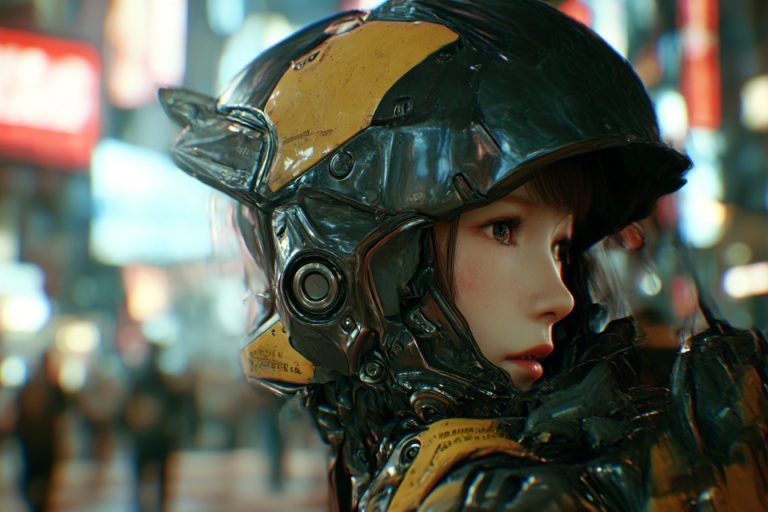

I was debugging some janky physics in a space combat game last Tuesday when Serial Experiments Lain started playing on my second monitor — just background noise while I worked. But then Lain started talking about the boundary between reality and the digital world, and suddenly I’m abandoning my work to actually pay attention. That’s how certain anime get you, you know? They creep up when you’re distracted and grab your brain in ways you weren’t expecting.
Most sci-fi anime follows the same playbook. Giant robots punch each other. Space fleets blow stuff up. Someone travels back in time and screws everything up. Characters yell about the power of friendship conquering evil. Look, I’m not complaining — I’ll watch mechs fight all day. But there’s something special about the shows that completely ignore those rules and ask: what if we did something totally different instead?
Serial Experiments Lain still messes with my head, honestly. It came out in 1998, when most people thought the internet was just for email and weird message boards. Yet here’s this quiet, creepy exploration of digital identity that makes more sense now than it did twenty-five years ago. Lain isn’t really a character in any normal sense — she’s more like a walking question mark who keeps dissolving into data streams. The whole show moves like you’re half-asleep, all humming computers and flickering monitors, asking what happens when online and offline stop being separate things.
What got me most was how… still everything felt. No explosions, no car chases, just this growing sense that maybe reality isn’t as solid as we think. I spent weeks afterward wondering if my Steam profile was somehow more “real” than my actual personality. That’s what genuinely weird sci-fi does — it changes how you look at your own life.
Then there’s Texhnolyze, which took cyberpunk’s usual “technology bad” sermon and twisted it into something way more uncomfortable. I’ll be honest, I bounced off it the first time. The opening episode has maybe five minutes of actual talking, and I was expecting something more… watchable, I guess. But when I finally gave it another shot during a particularly boring weekend in Minneapolis, it grabbed me and wouldn’t let go.
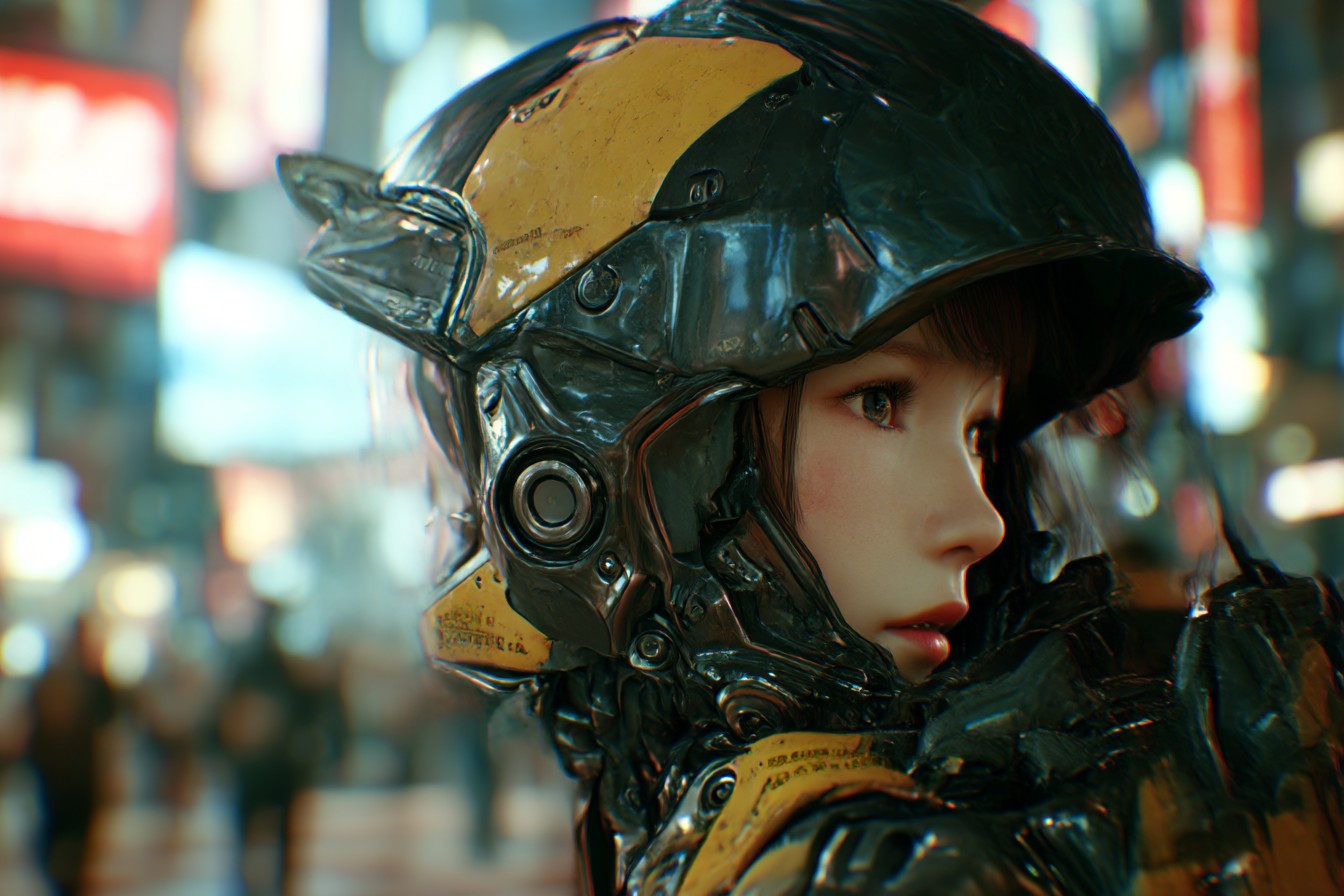
The show gives you this underground city where people replace their arms and legs with mechanical parts, not because it makes them stronger, but because they have to. It’s violent and strange, full of long silences and brutality that feels personal instead of flashy. What really gets me is how it treats technology not as either salvation or destruction, but just as another way humans find to screw each other over. There’s no big revelation, no moment where it all makes sense. Just people struggling through a dying world, making choices that probably don’t matter anyway.
Paranoia Agent might be the weirdest thing Satoshi Kon ever created, which is really saying something. It pretends to be a mystery about some kid attacking people with a baseball bat, but it’s actually about mass hysteria and social anxiety. The attacker — Lil’ Slugger — becomes this urban legend that somehow solves everyone’s problems by beating them up. Except he’s not actually real. Or maybe he is? The show deliberately refuses to make logical sense.
I remember this one episode about animators working on a TV series (pretty meta), where they’re all slowly going insane trying to meet impossible deadlines. One of them starts seeing the cartoon characters come to life and talk to her. It’s played as both scary and funny, this idea that fictional worlds might be more real than the corporate nightmare everyone’s living through. Kon got something important: sometimes the most radical thing sci-fi can do is point out that regular life is already pretty surreal.
Ghost in the Shell: Stand Alone Complex does the complete opposite — it builds this incredibly detailed future world and then uses it to explore very specific questions about politics and consciousness. The show doesn’t just throw around ideas like AI and cyber-warfare; it actually thinks through what they would mean. What happens when hackers can literally edit your memories? How do you solve crimes when evidence can be digitally faked?
I’ve always loved how the series treats Major Kusanagi not as a typical action hero, but as someone genuinely curious about what it means to be human. She’s mostly robot parts, but she’s not all angsty about it — instead, she’s interested in what consciousness means when your body is basically hardware. The show earned my respect by never giving simple answers to the questions it asks.
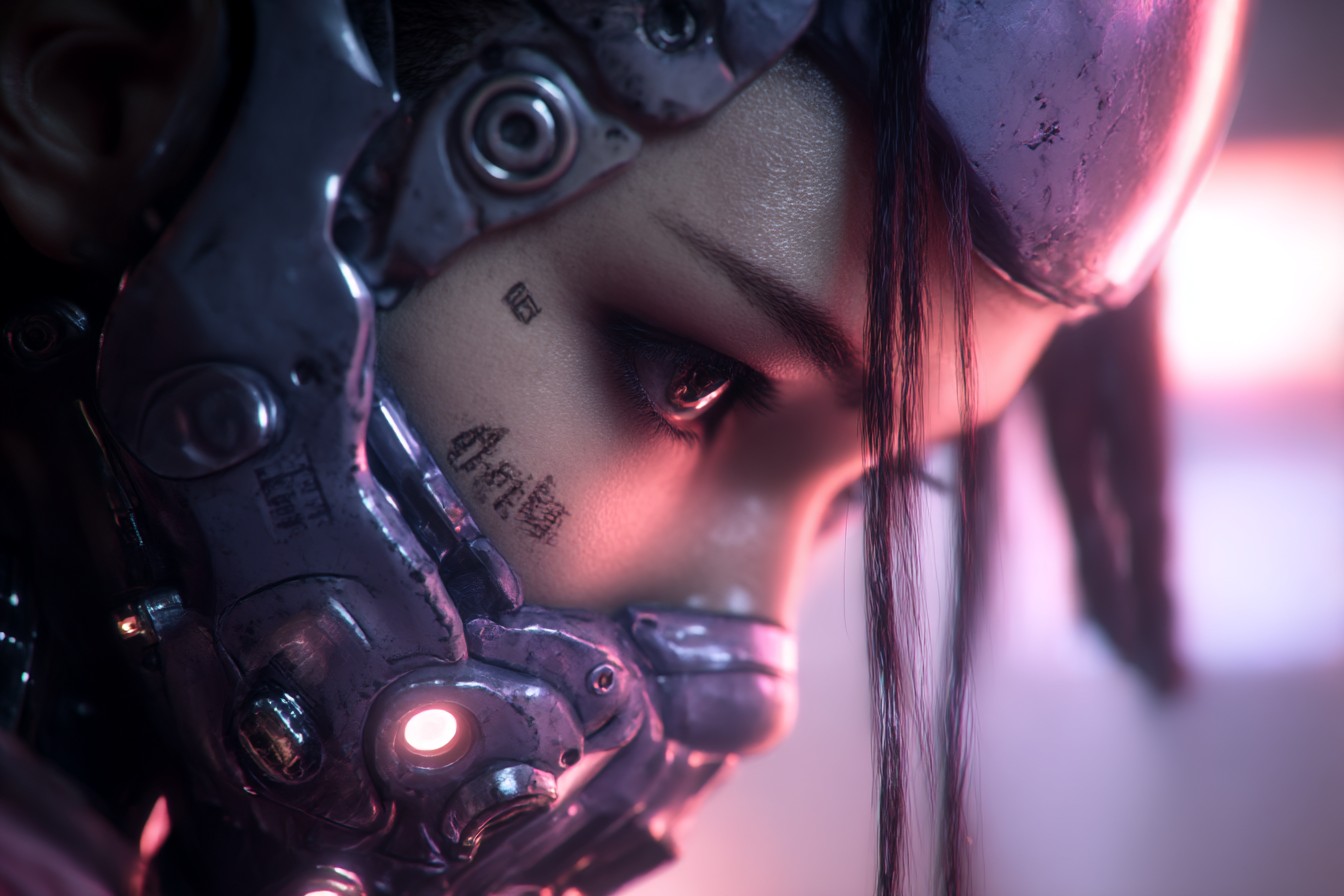
Shinsekai Yori might be the most disturbing thing I’ve ever watched. It shows you this peaceful future society where humans have psychic powers, but slowly reveals the horrible price of keeping that peace. Kids who can’t control their abilities just… vanish. The society stays stable through carefully managed ignorance and systematic oppression of anyone who doesn’t fit in.
Most popular

What makes it genuinely boundary-breaking isn’t the telekinesis or the weird monster things — it’s how it uses those fantastical elements to examine very real human problems with prejudice and control. I found myself genuinely uncomfortable watching these characters I liked participate in oppressive systems they barely questioned. That’s smart storytelling: making the audience part of the very things they think they’re against.
These shows work because they understand that great sci-fi isn’t about the cool technology or bizarre creatures — it’s about using those elements to reveal something true about people. They break boundaries not by being weird just to be weird, but by approaching familiar human problems from completely unexpected directions.
When I’m working on my own writing projects now, I keep thinking about these examples. They remind me that innovation isn’t about bigger explosions or more complex gadgets — it’s about finding new ways to ask old questions. Sometimes the most radical thing you can do is slow down, shut up, and really examine the assumptions everyone else accepts without thinking.

Logan lives in Minneapolis with too many consoles and just enough opinions. He explores how sci-fi plays differently across games, TV, and film—celebrating great world-building and calling out lazy tropes. Expect passionate takes, sarcasm, and the occasional Mass Effect reference.