













You know what drives me absolutely crazy? Every time I see another “greatest science fiction novels of all time” list floating around the internet, it’s literally the same twelve books shuffled around like a deck of cards. *Dune* at number one, *Foundation* somewhere in the top five, *1984* making its obligatory appearance… and don’t get me wrong, these books earned their spots. But after spending the better part of two decades hunting down everything from dog-eared paperbacks at garage sales to obscure translations I had to special order, I’ve realized something pretty frustrating: we’re completely ignoring massive chunks of what makes this genre genuinely extraordinary.
The whole problem starts with how we decide what counts as “great,” right? Most lists just look at influence within a pretty narrow Western literary bubble, maybe throw in some sales numbers, call it a day. That’s fine as far as it goes, but it misses so much. What about the books that absolutely nailed scientific concepts years before anyone else caught on? Stories that predicted social changes with scary accuracy? Novels that made readers from completely different backgrounds feel understood in ways they’d never experienced?
I still remember finding *The Left Hand of Darkness* in a pile of library discards when I was maybe fifteen. Le Guin’s approach to gender completely rewired my brain about what fiction could do. But right there next to it was *Solaris* by Stanisław Lem, and that book just… destroyed every assumption I had about alien intelligence. Not the Hollywood version where aliens are basically humans with weird makeup, but something genuinely incomprehensible. These weren’t just entertaining stories — they expanded my mind in ways I didn’t even know were possible.
That discovery sent me on this whole quest for books that did similar things but came from totally different traditions. *The Three-Body Problem* by Liu Cixin hit me like a truck when I first read it. The way it approached first contact felt completely different from American sci-fi — the Cultural Revolution backdrop, how scientific progress got tangled up with political chaos — it created angles on the “aliens arrive” story that felt revolutionary. It wasn’t just a different setting; it was an entirely different way of thinking about humanity’s cosmic significance.
Same thing happened with *The Fifth Season* by N.K. Jemisin. Here’s a book that takes the standard post-apocalyptic setup and runs it through the lens of systemic oppression in ways mainstream sci-fi barely touches. The magic-science system felt both fantastical and grounded in actual physics, but more importantly, it opened up space to explore power dynamics and survival that resonated way beyond genre boundaries.
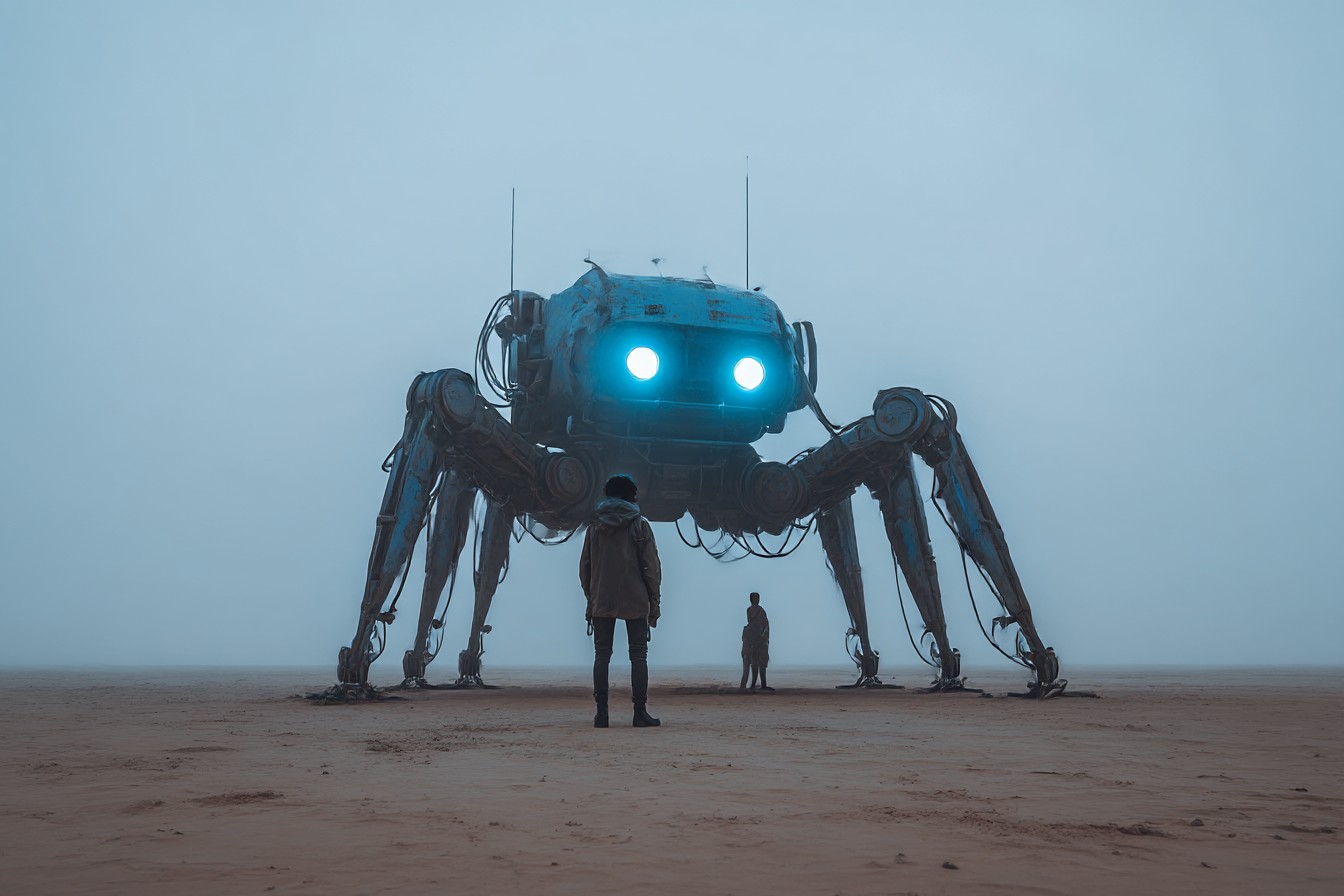
Then you’ve got books that are just technically brilliant but somehow fly under the radar. *Blindsight* by Peter Watts practically gave me a migraine with its take on consciousness and intelligence. Watts actually worked in marine biology, and you can tell — the book reads like he spent years thinking through every single implication of his ideas. I went down this massive rabbit hole of neuroscience papers afterward, trying to wrap my head around his theories about self-awareness and (I kid you not) scientifically plausible vampires. Won’t spoil how that works, but trust me, it’s wild.
What really gets me is how many incredible books get dismissed because they don’t fit some narrow definition of what sci-fi should be. *Station Eleven* by Emily St. John Mandel is absolutely science fiction — post-pandemic collapse, traveling Shakespeare company, interconnected timeline spanning decades — but because it focused on human relationships instead of shiny technology, some people don’t even count it as genre fiction. That’s just… wrong. It’s one of the most realistic takes on societal breakdown I’ve encountered, precisely because it cares more about how people maintain culture and connection than about cool gadgets.
*The Martian* by Andy Weir deserves recognition not just for being a page-turner but for proving that sci-fi can be both technically accurate and emotionally engaging. I actually tried working through some of Mark Watney’s calculations while reading (finally found a use for that old physics degree), and Weir really did his homework. But the book succeeds because Watney feels like a real person dealing with impossible circumstances, not some superhero or a technical manual with personality.
The global perspective thing is huge. *Parable of the Sower* by Octavia Butler came out in 1993 but reads like Butler was writing from 2024 — climate disasters, economic collapse, gated communities, corporate control. She was seeing patterns and extrapolating trends that most other writers completely missed. Or look at *The Windup Girl* by Paolo Bacigalupi, imagining a post-oil future through Southeast Asian politics and biotechnology. These aren’t just adding diversity for diversity’s sake; they’re offering genuinely different ways of thinking about future challenges.
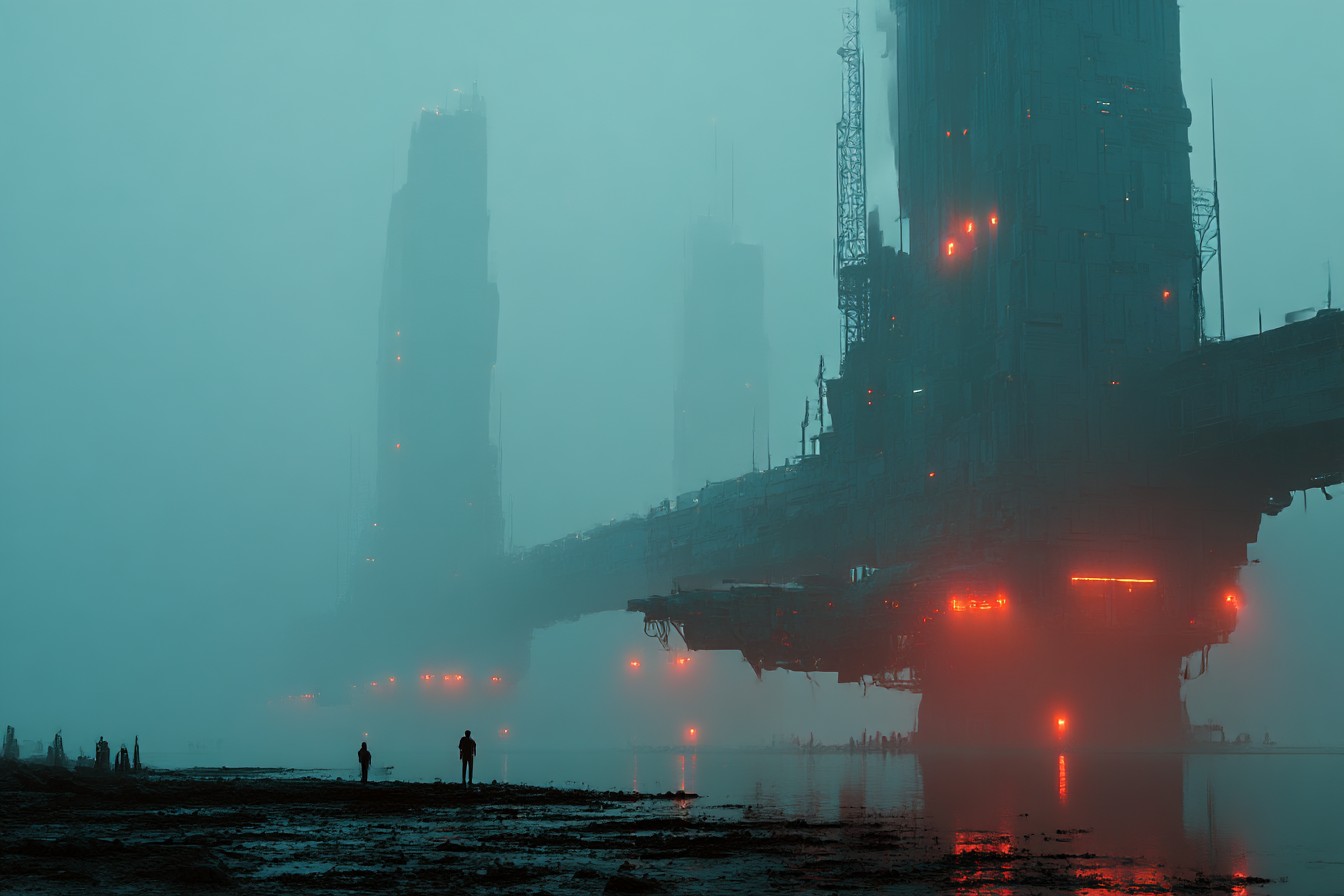
I’ve become convinced we need to pay way more attention to books that nail specific scientific concepts. Everyone knows *Contact* by Carl Sagan, but *Dragon’s Egg* by Robert Forward is this incredible hard-SF novel about life on a neutron star that nobody talks about anymore. Forward was an actual physicist who worked out the physics of how creatures might evolve under extreme gravity conditions. It’s weird and wonderful and makes you think about life in ways you never considered.
Even within traditional categories, we’re missing gems. *Hyperion* by Dan Simmons combines Canterbury Tales structure with time manipulation, AI philosophy, and just gorgeous prose. *The Time Machine* by H.G. Wells basically invented time travel as a literary device, but it’s also this sharp critique of class division that still hits hard. *Neuromancer* by William Gibson didn’t just predict the internet; it created an entire aesthetic that’s still shaping how we imagine digital spaces.
Most popular

Here’s the thing — any serious attempt to identify the greatest sci-fi novels needs to account for different types of greatness. Technical innovation, social insight, literary merit, cultural impact, predictive accuracy, pure entertainment value… these all matter, and they don’t always overlap. Some books are important for advancing the genre’s toolkit. Others matter because they changed how readers see the world. A lucky few manage both.
What I really want to see is more recognition that science fiction is genuinely a global conversation now, with writers from every continent contributing ideas that expand what’s possible. The best sci-fi has always been about asking “what if?” — but the most interesting answers come when we’re asking those questions from as many different starting points as we can manage. My students get this intuitively; they’re hungry for stories that reflect the complexity of the world they’re actually living in, not just the one that dominated publishing fifty years ago.

Diane teaches English in Philadelphia and uses sci-fi to make teenagers care about literature. She writes about how the genre reflects real-world anxieties—from climate fears to social rebellion—with humor, warmth, and the occasional classroom story.