

You know that moment when you’re watching a movie and something clicks — when you realize you’re not just seeing special effects and flashy gadgets, but actually glimpsing a possible future? That’s the feeling I chase when I think about what makes science fiction cinema work in 2024.
I was rewatching *Arrival* last month (for probably the sixth time), and my neighbor wandered over during the scene where Louise first encounters the heptapods. She stood there for maybe ten minutes, completely absorbed, then asked: “Is this actually science fiction? There aren’t any laser battles.” It got me thinking about how our expectations have shifted, how the genre has grown beyond the chrome spaceships and ray guns that dominated my childhood paperbacks.
The thing is, modern sci-fi films don’t need to announce themselves with orchestral flourishes and gleaming technology anymore.
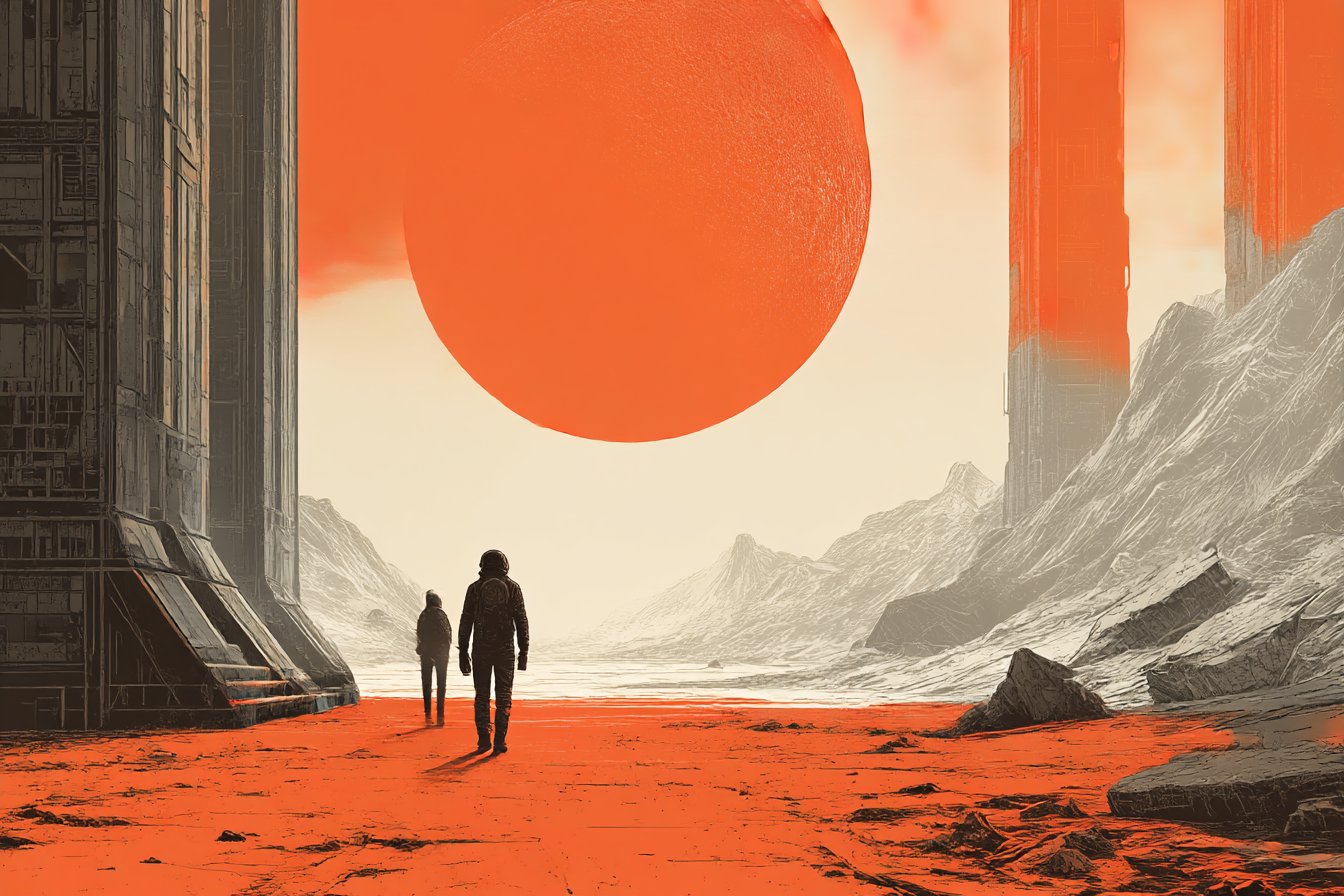
Sometimes the most powerful ones sneak up on you. *Her* felt like a love story until you realized it was asking fundamental questions about consciousness and connection. *Ex Machina* played like a psychological thriller, but it was really about what it means to be human. These movies work because they understand something crucial: the best science fiction has always been about people, not gadgets.
I’ve been tracking this shift for years now, partly because I keep getting surprised by what audiences accept as “real” sci-fi. When *Black Mirror* episodes started feeling less like distant warnings and more like Tuesday morning news, something fundamental changed in how we process speculative ideas. The impossible became plausible faster than anyone expected.
What strikes me most is how modern sci-fi films handle scientific accuracy. There’s this sweet spot between rigorous research and dramatic necessity that the best directors have learned to navigate. *Interstellar* spent months consulting with physicists about black hole visualization, and it shows — not because the audience necessarily understands relativistic physics, but because the attention to detail creates a sense of authenticity that makes the emotional moments hit harder.
I remember trying to explain to a friend why *Gravity* worked so well as science fiction even though it’s essentially a survival thriller set ninety minutes from now. The key was in the small details: how Sandra Bullock’s character moved in zero gravity, the way debris behaved, even the sound design (or lack thereof) in the vacuum sequences. When filmmakers get those fundamentals right, audiences instinctively trust them with the bigger concepts.
But here’s where it gets interesting — modern sci-fi doesn’t always need to be scientifically rigorous to succeed. *Blade Runner 2049* takes massive liberties with genetics and artificial intelligence, yet it feels more “real” than films with better scientific foundations because it commits completely to its vision of how humans might adapt to technological change. The worldbuilding is so consistent, so lived-in, that you accept the premise and focus on the story.
I’ve noticed that contemporary audiences are incredibly sophisticated about spotting lazy worldbuilding. Maybe it’s because we’re living through such rapid technological change ourselves, but viewers now instinctively recognize when a film hasn’t thought through the implications of its central concept. They want to see how the technology affects daily life, not just the big dramatic moments.
You Might Also Like

Take something like *Minority Report*. When I first saw it in 2002, the gesture-based interfaces felt wildly futuristic. Now, after years of smartphone touchscreens and motion-controlled gaming, those scenes feel almost quaint. But the film still works because Spielberg thought about how that technology would reshape police work, urban planning, even advertising. The details make the difference.
Modern sci-fi films also seem more comfortable with ambiguity than their predecessors. *Annihilation* leaves massive questions unanswered, and that’s precisely why it lingers in your mind for weeks afterward. The genre has learned that mystery can be more powerful than explanation, especially when dealing with concepts that push the boundaries of human understanding.
I’ve been experimenting with this in my own writing — trying to figure out which details need explanation and which ones can be left to the audience’s imagination. Sometimes over-explaining kills the sense of wonder. Sometimes under-explaining makes things feel arbitrary. Getting that balance right is harder than it looks.
What really defines modern sci-fi cinema, I think, is its willingness to use speculative elements as a lens for examining contemporary anxieties. *Get Out* uses body horror and mind control to explore racial dynamics. *The Shape of Water* uses monster movie tropes to tell a story about otherness and acceptance. These films understand that the “what if” question isn’t just about technology or aliens — it’s about us.
I’ve started paying attention to how these movies handle their reveals, too. The best ones don’t save everything for a third-act exposition dump. They trust their audience to piece things together, dropping clues through visual design, dialogue, and character behavior. *Coherence* manages to be incredibly complex while maintaining an almost mundane suburban dinner party setting. The sci-fi elements emerge naturally from the characters’ attempts to understand their situation.
There’s also something to be said for how modern sci-fi films approach scale. Not everything needs to be about saving the universe anymore. Some of the most effective recent films focus on individual characters grappling with extraordinary circumstances. *Moon* is essentially a one-person show, but it raises questions about identity and isolation that resonate far beyond its claustrophobic setting.
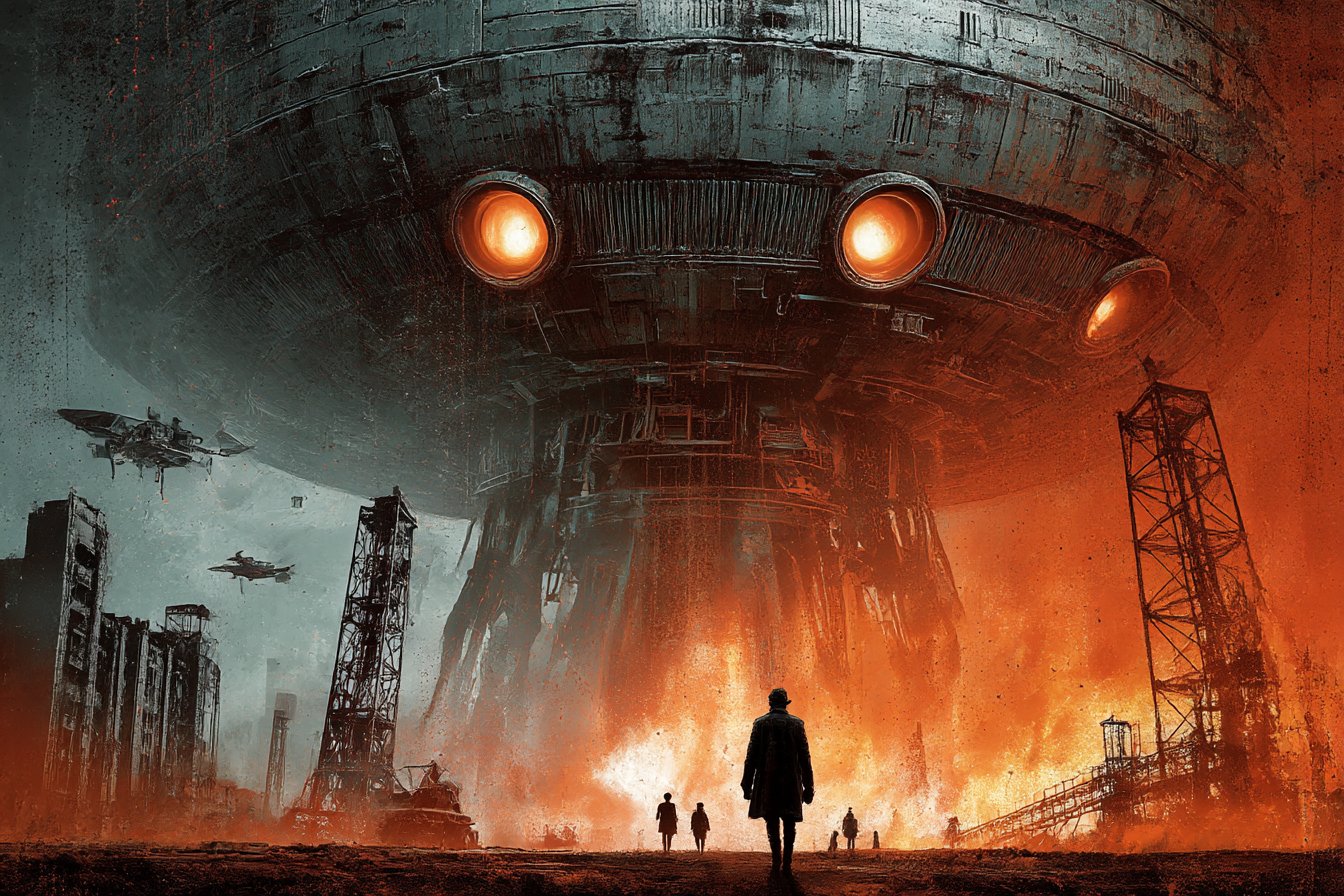
I keep coming back to that conversation with my neighbor, though. Her question — “Is this actually science fiction?” — reveals something important about how the genre has matured. When sci-fi films feel like natural extensions of our current world rather than complete departures from it, they’ve achieved something special. They’re not asking us to suspend disbelief so much as to extend our imagination just a little further than usual.
That’s what I look for now when I’m evaluating whether a film succeeds as modern science fiction: Does it make me think differently about something I thought I understood? Does it feel both strange and inevitable? Can I imagine living in its world, not just visiting it for two hours?
The best sci-fi films of our era aren’t trying to predict the future — they’re trying to help us understand the present by showing us what we might become.

0 Comments