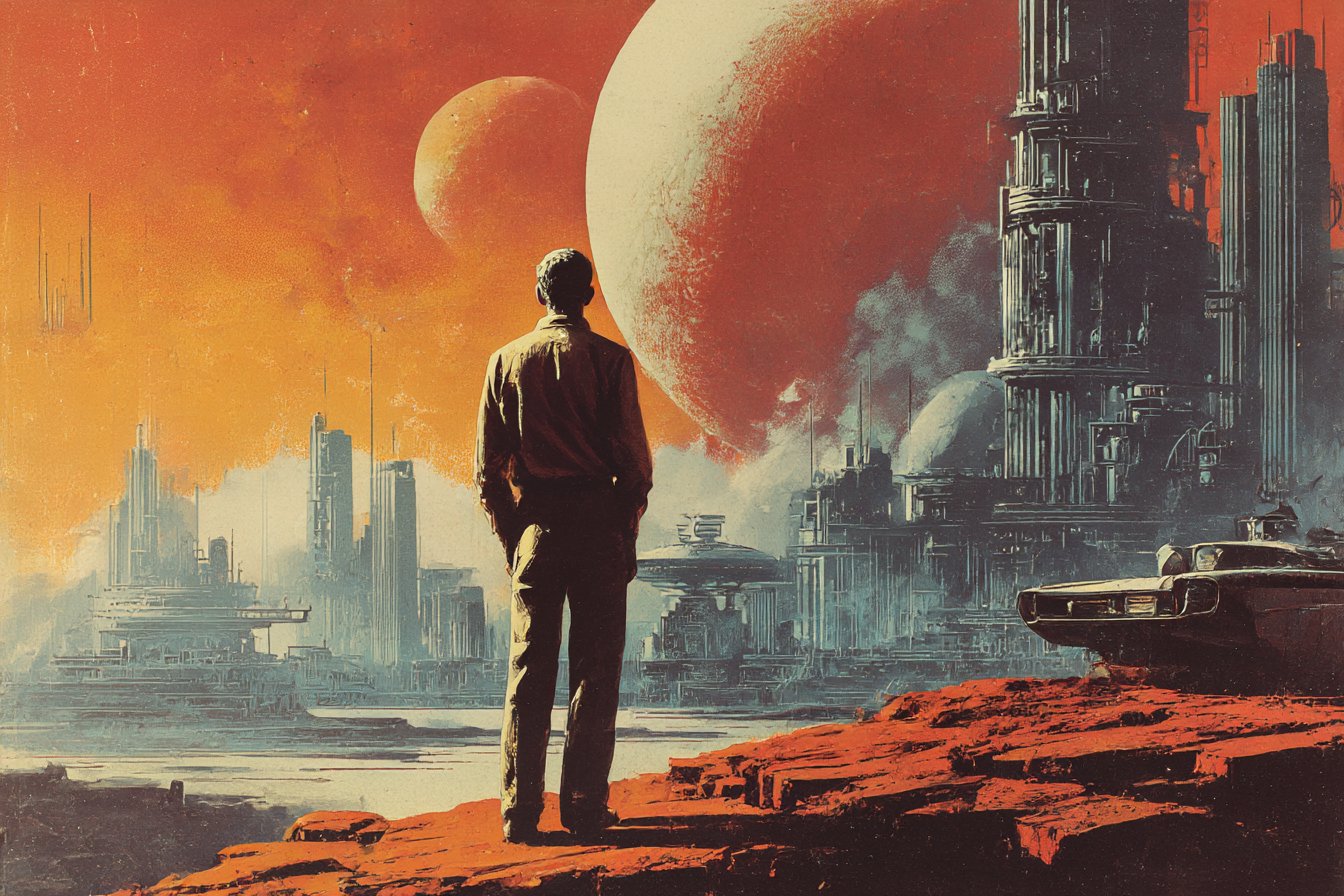

The thing about hard science fiction is that it’s a bit like trying to build a working radio from scratch — you need to know enough about how electromagnetic waves behave to make it believable, but if you get too bogged down in circuit diagrams, you’ll lose anyone who just wants to hear music.
I learned this the hard way when I was working on that space station mod project. I’d spent weeks calculating realistic air pressure systems and thermal dynamics, mapping out every conduit and ventilation shaft. My test players kept getting lost in technical exposition instead of feeling the creeping dread I was going for. Turned out all my careful physics didn’t matter if people couldn’t connect emotionally with what it felt like to hear those maintenance bots chattering about coolant pressure while you’re alone in the dark.
Hard sci-fi gets a bad reputation sometimes.
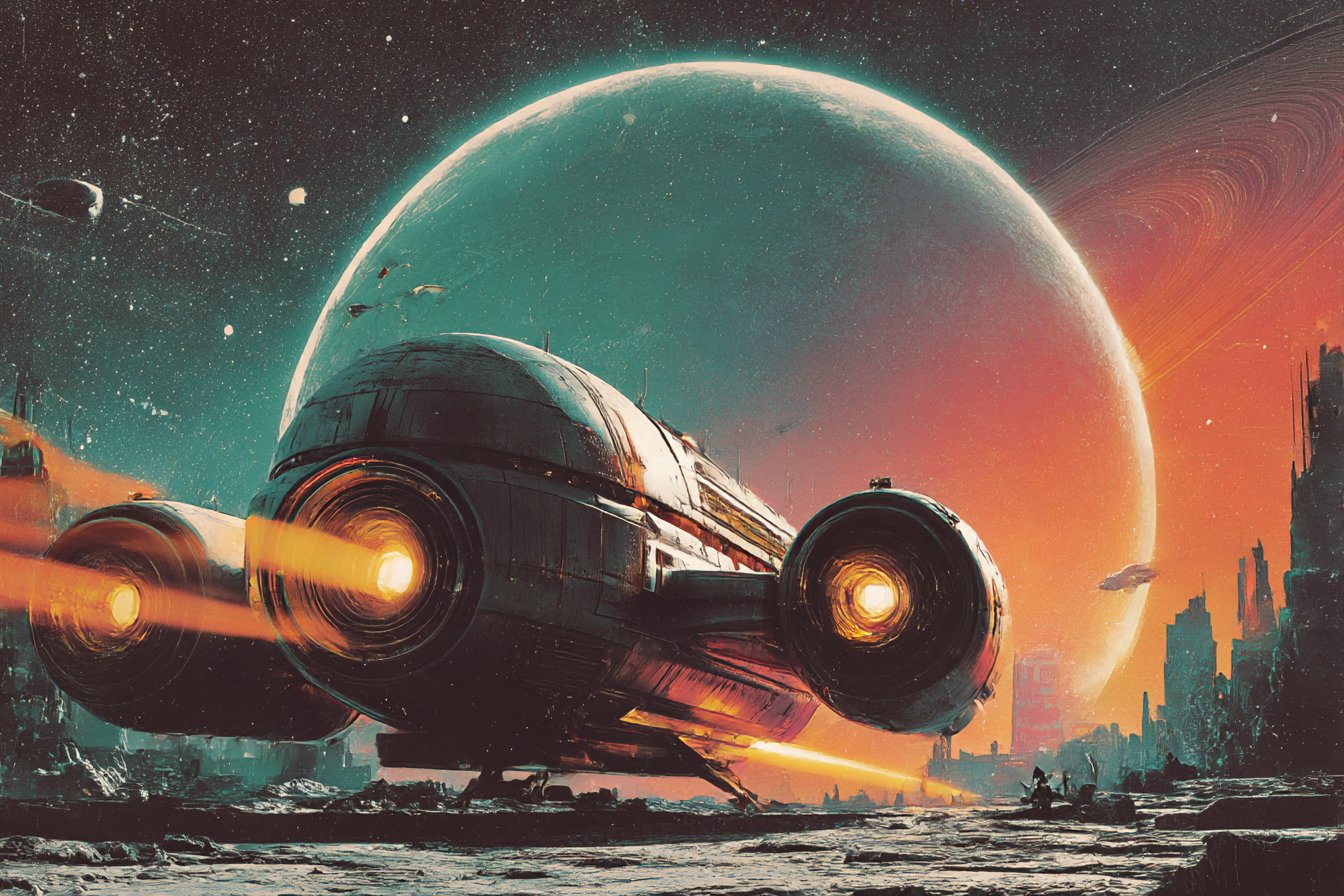
People think it’s all equations and technobabble, stories where the science overwhelms the human element. But that’s not what makes it hard — it’s the commitment to plausibility. The best hard science fiction doesn’t lecture you about quantum mechanics; it shows you what it might feel like to live in a universe where quantum mechanics works differently than we expect.
Take Kim Stanley Robinson’s Mars trilogy. Sure, he did his homework on terraforming and atmospheric chemistry. But what makes those books sing isn’t the scientific accuracy — it’s watching characters argue about whether they have the right to transform an entire planet, seeing how centuries-long projects affect people who’ll never live to see completion. The science provides the bones; the human drama provides the flesh.
I remember reading Andy Weir’s “The Martian” and getting genuinely anxious about Mark Watney’s potato calculations. Not because I was fascinated by agricultural chemistry (though I was), but because I could feel how much those numbers mattered to him. Every calorie counted. Every day mattered. The math wasn’t abstract — it was survival.
That’s what hard sci-fi does well: it makes the impossible feel inevitable. When you’re reading about faster-than-light travel, you don’t question whether it’s scientifically accurate — you question what it costs, who controls it, what happens when it breaks down. Good hard sci-fi doesn’t ask you to believe in magic; it asks you to believe in consequences.
The “hard” part isn’t really about being scientifically rigorous, though that helps. It’s about being logically consistent within whatever rules you establish. If you invent artificial gravity, you’d better think through how that affects architecture, medicine, sports, even how people walk. If you create sentient AI, you need to consider not just what it can do, but what it wants, what it fears, how it sees organic life.
You Might Also Like

I spent months trying to design believable spaceship interiors for some concept art I was working on. My first attempts looked like airplane cabins with extra buttons — boring and illogical. Real spacecraft would be built around completely different assumptions about up and down, about how people move and work in zero gravity. Once I started thinking about how artificial gravity might actually function (rotation? magnetic fields? something we haven’t invented yet?), the designs started making sense. The science informed the storytelling.
Hard sci-fi also forces writers to grapple with uncomfortable questions. If we can edit genes, who decides what counts as improvement? If we can upload consciousness, are we still human? If we contact alien intelligence, how do we avoid destroying ourselves in the process? These aren’t abstract philosophical puzzles — they’re practical problems we might actually face.
What I love most about hard science fiction is how it prepares us for futures we can’t quite imagine yet. Every time I read about someone building a real fusion reactor or programming neural networks or planning Mars colonies, I think about the sci-fi stories that explored those territories first. Not because the fiction predicted the future accurately, but because it helped us think through the implications before we got there.
The best hard sci-fi writers are like rigorous dreamers. They imagine things that don’t exist yet, then work backward to figure out what would have to be true for those things to exist. They’re not trying to predict the future — they’re trying to stress-test it.
I’ve noticed something interesting in reader responses over the years. People often tell me that hard sci-fi helped them understand science better than any textbook ever did. Not because it simplified complex concepts, but because it showed those concepts in action, having real effects on characters they cared about. When you’re worried about whether a character will survive re-entry, you pay attention to orbital mechanics in a way you never would in physics class.
But here’s the trick: none of this matters if the story isn’t good. Scientific accuracy can’t save bad characters or boring plots.
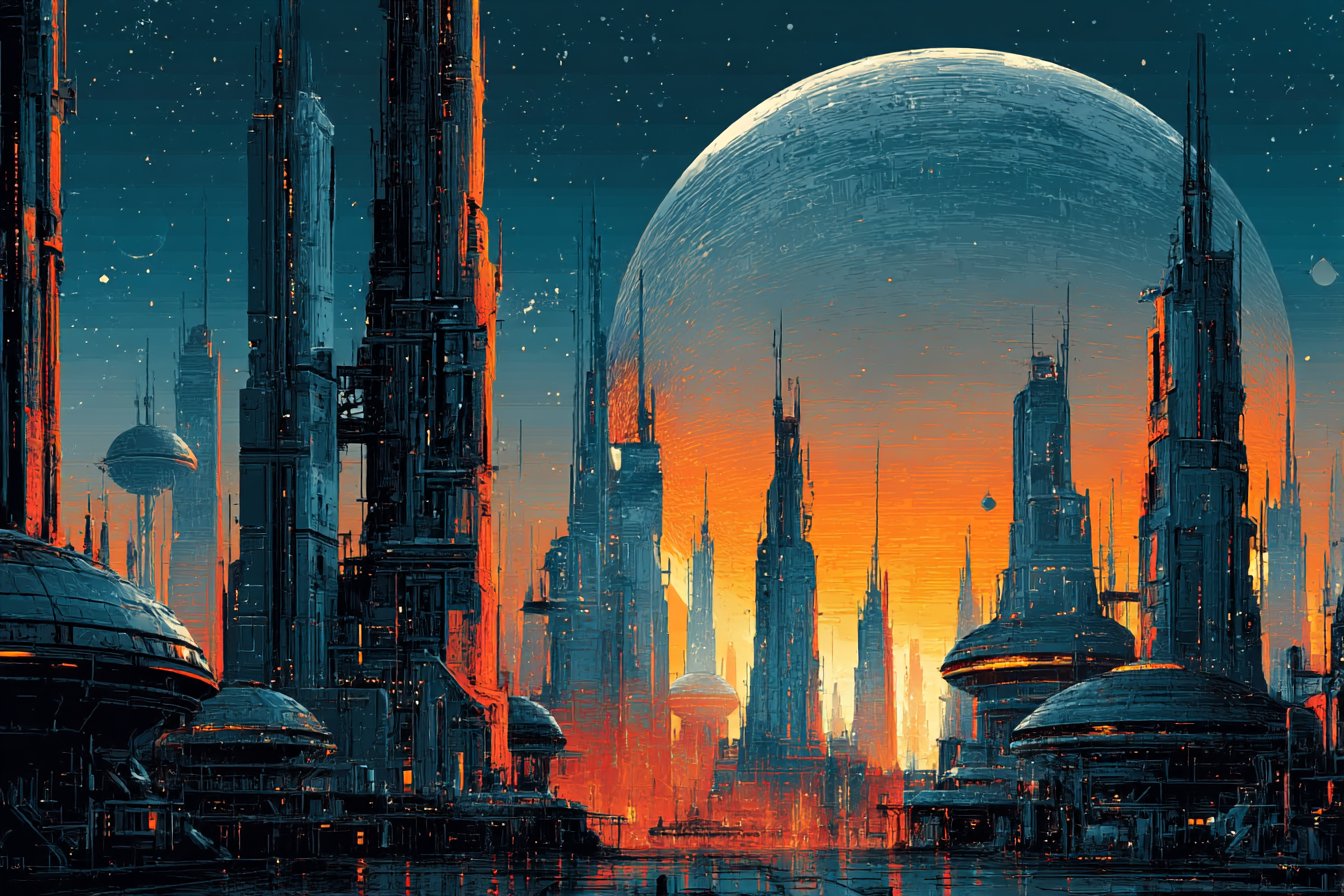
The science is there to serve the story, not the other way around. The most rigorously researched novel in the world won’t work if readers don’t care what happens to the people inside it.
That’s why I always come back to that tension between plausibility and wonder. Hard sci-fi at its best makes the impossible feel possible, then asks what that would really mean for the people living through it. It respects both the universe’s rules and our need for stories that help us make sense of our place within those rules.
When done right, hard science fiction doesn’t just entertain — it expands what we think is possible, both technologically and morally. It’s speculative engineering for the human condition. And in a world where science fiction keeps becoming science fact, that feels more important than ever.

0 Comments