














I’ve been prowling around online film forums again, hitting refresh like some kind of desperate trailer addict. My wife thinks it’s ridiculous — a 68-year-old man camping out on Reddit threads about upcoming movies — but I can’t help myself. There’s this rush you get when you spot something in a thirty-second teaser that makes your engineering brain light up, you know? Been happening more than usual lately.
Thing is, I’m way more selective about what gets me genuinely pumped these days. Spent too many evenings in darkened theaters watching films that looked amazing in trailers but completely collapsed the moment you asked basic physics questions. Like, how does that spaceship maneuver without thrusters? Why doesn’t anyone mention radiation shielding? I’ve learned to distinguish between pretty explosions and actual substance — and frankly, I want both.
Right now there’s this adaptation of Andy Weir’s “Project Hail Mary” that’s got my attention. Ryan Gosling’s attached, which immediately makes you wonder how they’ll handle all that internal problem-solving monologue that made the book work. The story’s about a guy who wakes up alone on a spacecraft with zero memory of how he got there, slowly realizing he’s humanity’s last shot at survival. What excites me isn’t just the premise (though it’s solid), but whether they’ll actually show Weir’s methodical, realistic problem-solving approach.
See, I tried building a miniature version of one of Weir’s fictional atmospheric processors last winter — weekend project in my garage, using aquarium pumps and some chemistry equipment I definitely shouldn’t have ordered online. The damn thing barely functioned, but it taught me why Weir’s writing hits different than most sci-fi. His characters don’t just handwave solutions with technobabble. They work through problems step by step, like actual engineers would. If this movie captures even a fraction of that methodical thinking, it could be remarkable.
Then there’s Denis Villeneuve’s next project, apparently another cerebral first-contact story in the vein of Arrival. Details are scarce — typical Villeneuve secrecy — but the man understands how to make alien communication feel genuinely alien. After watching Arrival and both Dune films, I trust him to avoid the usual “aliens are just humans with fancy prosthetics” nonsense that plagues most sci-fi.
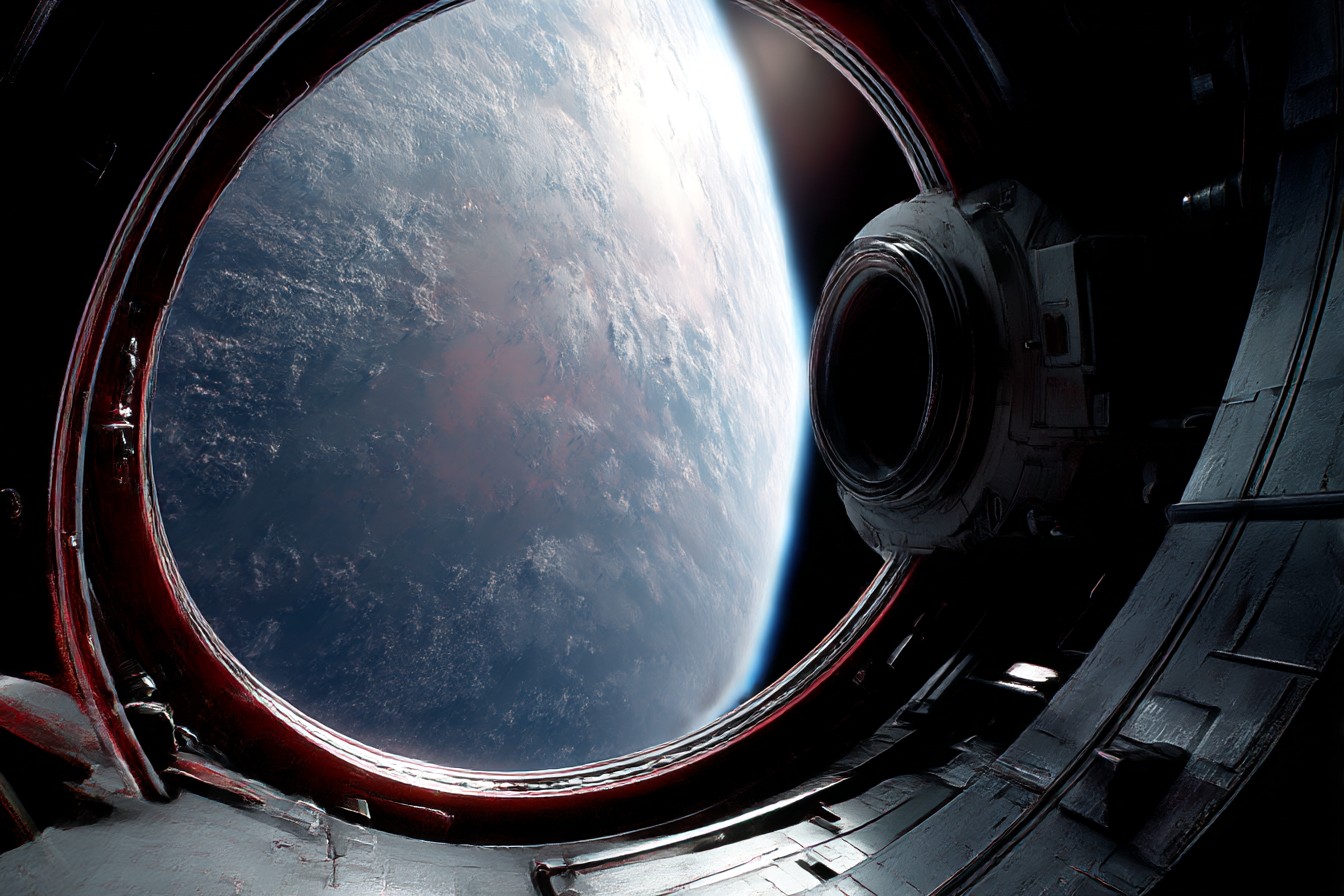
What’s really grabbed my attention is this smaller film called “The Assessment” making festival rounds. It’s about a couple trying to have children in a future where you must prove worthiness as parents through increasingly bizarre tests. The trailer shows perfectly ordinary domestic moments — making breakfast, folding laundry — but with this underlying tension that something’s fundamentally broken in their world. That’s exactly the “normal life, but shifted” approach that gets under my skin in the best way possible.
I know someone who worked sound design on it, and she mentioned spending weeks recording household appliance hums, then subtly altering pitch and rhythm to create unease. That environmental attention to detail? That’s how you build believable worlds that feel just wrong enough to be disturbing.
There’s also Netflix buzz around “Stowaway,” apparently about… well, a stowaway on a Mars mission. Yeah, we’ve seen variations before. But what’s interesting is they’re reportedly focusing on psychological pressure of resource management in space. Like, what do you actually do when you discover insufficient oxygen for everyone? Not the Hollywood version where someone heroically sacrifices themselves in Act Three, but the real version where you’d spend weeks calculating and recalculating, desperately seeking nonexistent solutions.
The cast includes Anna Kendrick and Toni Collette, suggesting they’re treating human drama seriously rather than using it as setup for space action sequences. Collette especially has this ability to make internal conflict visible — thinking of her in Hereditary, conveying mounting dread through tiny facial expressions. If they let her actually act instead of just reacting to CGI, this could work.
But here’s what’s genuinely exciting me: more mid-budget sci-fi films are getting made. Not everything needs to be a $200 million spectacle anymore. Some of the most interesting concepts I’m hearing about come from that sweet spot where filmmakers have sufficient resources to realize their vision properly, but not so much money that studio executives start demanding explosions every fifteen minutes.
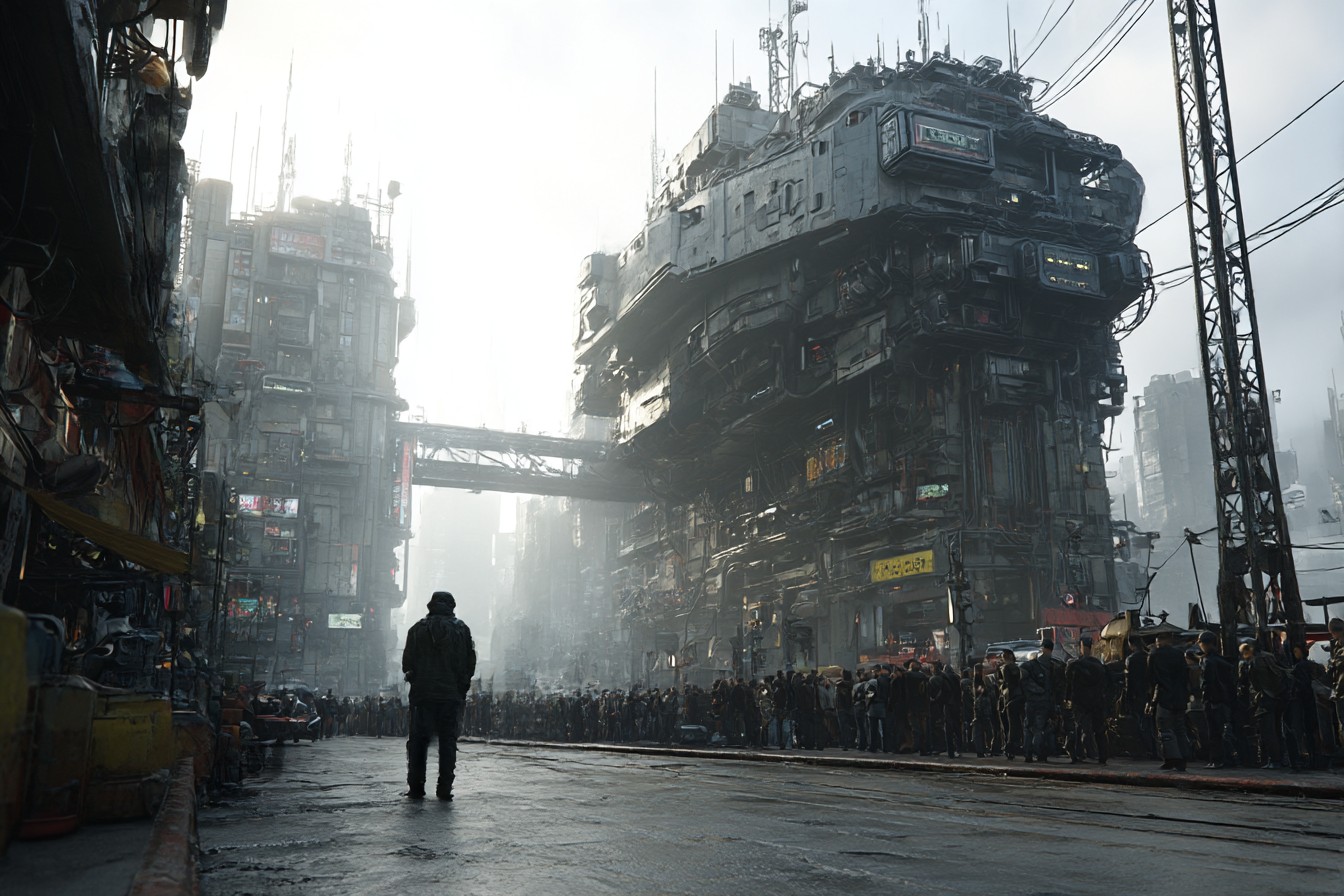
There’s this indie film about time loops — yeah, I know, Groundhog Day in space, but hear me out — where the protagonist relives the same day aboard a generation ship. The twist? Each loop, the ship’s AI learns something new about human behavior and starts making small adjustments to “optimize” the experience. Sounds like it could be a fascinating exploration of free will and AI decision-making, assuming they don’t just use time loops as setup for comedy bits.
Most popular

What connects all these projects is they seem to understand that good sci-fi isn’t about gadgets — it’s about questions. What does humanity mean when machines can think? How do we maintain relationships across impossible distances? What happens to society when basic assumptions about reproduction or survival get challenged?
I’ve been burned before by promising concepts that became generic action films, so I’m trying to manage expectations. But there’s something different in the air right now. Maybe it’s films like Everything Everywhere All at Once proving audiences hunger for weird, thoughtful sci-fi. Maybe it’s streaming platforms giving creators more freedom for risks.
During my aerospace career, I watched countless sci-fi predictions about the year 2000. We got some things right, others spectacularly wrong. No flying cars or moon bases, but everyone carries supercomputers in their pockets. Science fiction excels at exploring human reactions to change rather than predicting specific technologies. These upcoming films seem to understand that distinction.
Whatever’s happening, I’m cautiously optimistic. Already cleared space in my calendar for serious movie-watching this year. My notebook’s ready for whatever strange new worlds are heading our way. And hey, if they disappoint, at least I’ll have fresh material for my next rant about Hollywood’s relationship with actual science.

John spent forty years designing real spacecraft before turning his attention to fictional ones. Writing from Oregon, he brings a scientist’s curiosity to sci-fi—separating good speculation from bad physics while keeping his sense of wonder firmly intact.